
Beautiful Plants For Your Interior
Beautiful Plants For Your Interior
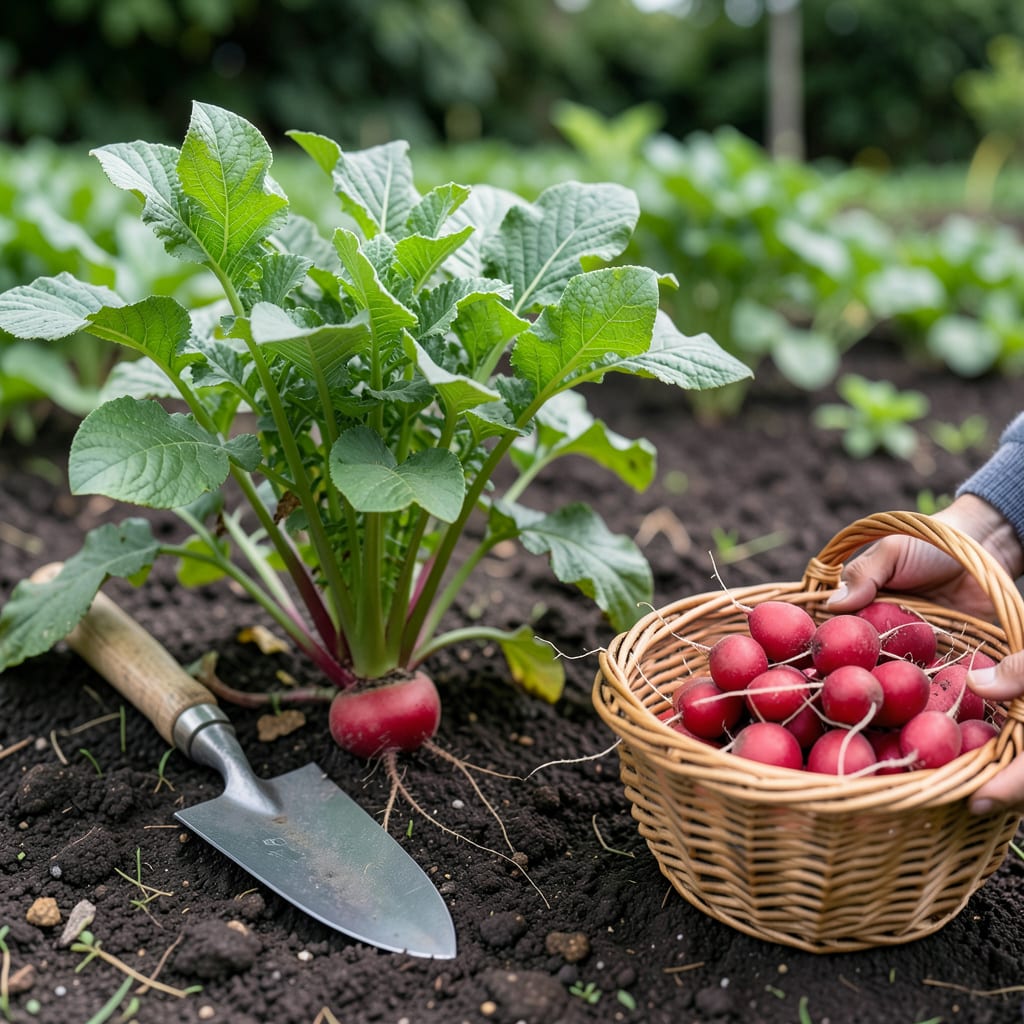
Nothing beats the satisfaction of pulling fresh 🥕 radishes from your garden—if you harvest them at the right time. Picking too early or too late can ruin their crisp texture and peppery flavor.
I’ve learned the shoulder peek method is the most reliable way to check. When you see the top of the radish emerging from the soil, it’s likely ready for picking.


Timing your radish harvest perfectly ensures the best flavor and texture. I always watch for the shoulder peek, where the top of the radish emerges from the soil. This is your first visual cue that they’re nearing maturity.
The shoulder peek method works because radishes grow upward as they mature. When you see that red or white crown poking through, it’s time to start checking for other signs of readiness.
| Sign | Description |
|---|---|
| Visible Shoulder | Top of radish emerges above soil |
| Size | 1-2 inches in diameter |
| Days to Maturity | 25-30 days for most varieties |
| Texture | Firm and smooth to touch |
| Color | Bright and consistent hue |
Another key indicator is size. Most radish varieties reach 1-2 inches in diameter at maturity. If they grow much larger, they’ll often turn woody and lose their crisp bite.
I also check the days to maturity for my specific variety. While most radishes are ready in 25-30 days, some heirloom types may take slightly longer. Always refer to your seed packet for guidance.
The texture is another giveaway. Gently press the soil near the base of the plant. If the radish feels firm and smooth, it’s ready. Soft spots often indicate overripeness or rot.
Don’t overlook the foliage either. Healthy, vibrant leaves are a good sign, but if they start to yellow or wilt, your radishes might be past their prime. I pull a test radish when I see these signs.
For color confirmation, look for a bright, consistent hue. Dull or uneven coloring often means the radish isn’t quite ready. Remember, some varieties like Watermelon Radishes change color as they mature.
If you’re still unsure, I recommend the test pull method. Carefully pull one radish from a less visible spot in your row. If it’s crisp and flavorful, the rest are likely ready too.
Finally, succession planting helps ensure a continuous harvest. I sow new seeds every 10-14 days to enjoy fresh radishes throughout the growing season. This way, I always have some at the perfect stage.
With these tips, you’ll never have to guess when your radishes are ready. Happy harvesting! 🌱
Harvesting radishes at the wrong time can be disappointing. I’ve pulled underdeveloped radishes that were tiny and bland, and others that turned woody and pithy from waiting too long.
Picking too early means missing out on that peppery crunch. The radishes will be small, hard, and lack the vibrant flavor they’re known for. They won’t have reached their full 1-2 inch diameter either.
⚖️ Early vs. Late Harvest
Leaving radishes in the ground too long causes them to become tough and fibrous. They’ll develop a bitter taste and lose that satisfying crunch. The texture changes from crisp to almost spongy in some cases.
I’ve found that overmature radishes can sometimes be salvaged. If they’ve just passed their prime, I trim off the woody parts and use the tender portions in salads or pickling.
For early harvested radishes, give them a few more days in the ground. Check daily once you see the shoulder peek, as they can go from underripe to overripe quickly in warm weather.
Remember, radish varieties differ. Some mature in as little as 20 days, while others take up to 30 days. Always check your seed packet for specific guidance.
Timing is everything with radishes, but even mistakes teach valuable lessons! 🌱
After years of growing radishes, I’ve learned that succession planting is the secret to a continuous harvest. I sow new seeds every 10-14 days to ensure a steady supply of crisp, fresh radishes.
Timing your planting is just as important as timing your harvest. For spring crops, start sowing as soon as the soil can be worked. In fall, plant about 4-6 weeks before your first expected frost.
🌱 Pro Harvest Tips
I always check the weather forecast before harvesting. Radishes taste best when they’ve grown in cool, consistent temperatures. Heat waves can cause them to bolt or turn woody prematurely.
For the best flavor, harvest radishes when they’re young and tender. The shoulder peek method combined with checking for 1-2 inch diameter ensures you’ll get that perfect crunch every time.
Don’t forget to rotate your crops. I avoid planting radishes in the same spot more than once every 3 years to prevent disease buildup in the soil. 🌱
It means watching for the top of the radish to emerge above the soil. When you see 1-2 inches of the root poking through, it’s nearly ready to harvest.
Most varieties are ready in 25-30 days after planting. Some faster types may mature in as little as 20 days, so check your seed packet for specifics.
They become woody, pithy, and bitter. The texture turns tough and loses its crispness, making them less enjoyable to eat.
Morning is best for peak crispness, but afternoon harvesting works. Just ensure the soil is moist to make pulling easier and prevent damage.
