
Beautiful Plants For Your Interior
Beautiful Plants For Your Interior
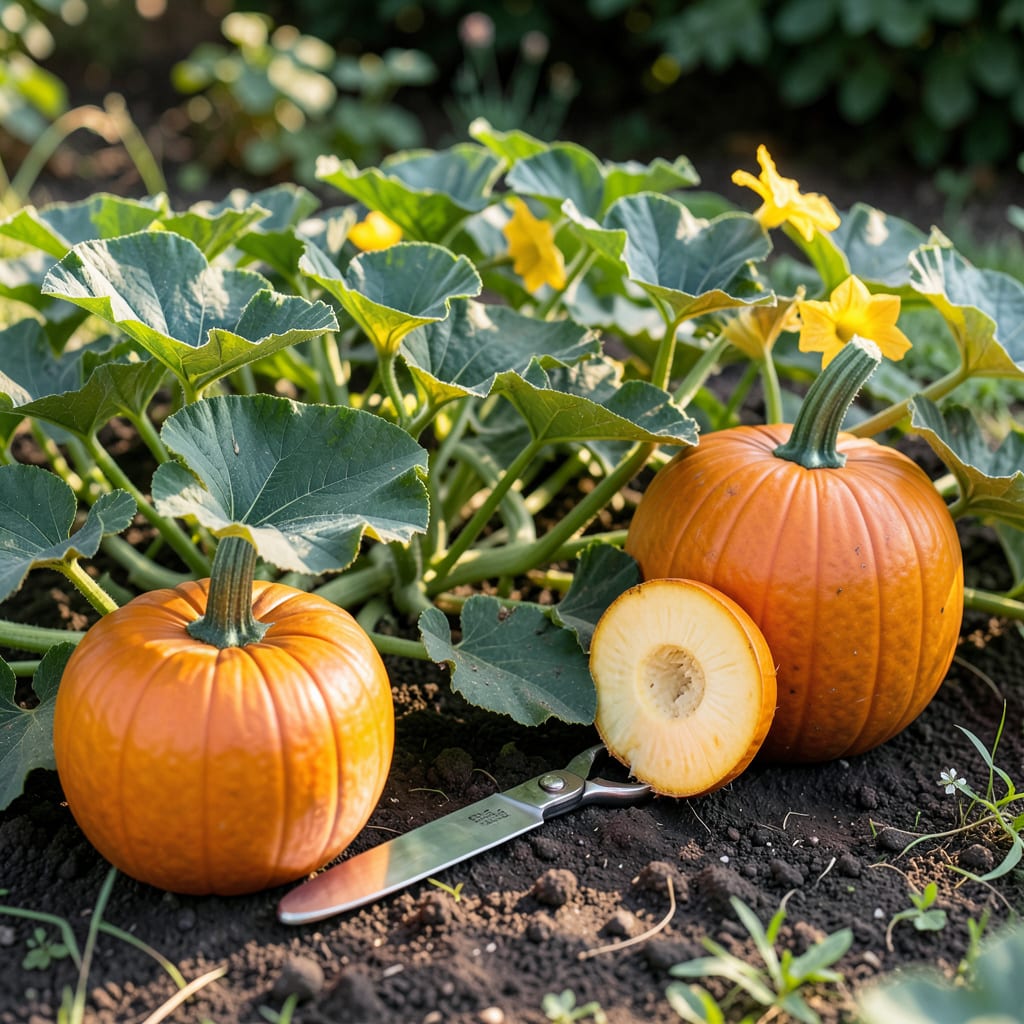
Nothing beats the satisfaction of growing your own 🎃 Pumpkin, but knowing the exact moment to pick can be tricky. Picking too early or too late can ruin months of hard work.
I’ll show you the foolproof signs to look for—like stem hardness and rind resistance—that guarantee your pumpkins are perfectly ripe and ready for harvest.


Timing your pumpkin harvest perfectly ensures the best flavor and storage life. I always watch for visual cues that nature provides as the growing season winds down.
The most obvious sign is the color transformation. Most varieties turn a deep, solid orange, but white or green pumpkins will develop their mature hue. This change signals the fruit is nearing readiness.
I always start with the rind hardness test. Press your fingernail into the skin—if it resists puncture, the pumpkin is likely ready. This test works best on a dry, sunny day for accurate results.
The stem condition is another critical indicator. A ready pumpkin will have a stem that’s turned brown and woody. If it’s still green and flexible, the fruit needs more time on the vine.
Watch your vine leaves closely. When they begin to yellow and die back, it’s a strong signal that the pumpkins are nearing harvest time. This typically happens in late September or October. ☀️
For varieties with unique colors, like white or blue pumpkins, don’t rely on orange as your cue. Instead, look for the color to deepen and become consistent all over the fruit’s surface.
I’ve learned that size isn’t everything. A pumpkin might look large enough to harvest, but if the rind isn’t hard or the stem isn’t dry, it’s not truly ready. Patience here prevents disappointing results.
Finally, check the ground spot where the pumpkin rests. A ready pumpkin will have a cream-colored patch where it touches the soil, rather than a green one.
By combining these visual signs, you’ll never question whether your pumpkins are ready. I use at least three indicators together to confirm it’s time to harvest.
🌱While visual signs help, I rely on physical tests for certainty. The stem hardness test and rind resistance check are my go-to methods for confirming pumpkin readiness.
These tests remove all guesswork. Even if the color looks right, a soft rind or green stem means the pumpkin needs more time on the vine to reach peak maturity.
The stem hardness test is simple but effective. A ready pumpkin will have a stem that’s turned woody and brown. If it bends easily or looks green, the fruit isn’t mature yet.
For the rind test, press your fingernail into the pumpkin’s skin. If it doesn’t leave a mark, the rind is hard enough for harvest. This works best on a sunny afternoon when the skin is dry.
I combine both tests for accuracy. A pumpkin that passes the stem test but fails the rind test needs a few more days. Patience here ensures the best storage life and flavor. ☀️
Remember, these tests work for all varieties, from jack-o’-lanterns to pie pumpkins. The principles remain the same regardless of size or color.
🌱Even experienced gardeners can make costly mistakes when harvesting pumpkins. I’ve learned the hard way that timing and technique matter just as much as the growing process itself.
One of the most common errors is picking too early. A pumpkin might look big and orange, but if the stem is still green or the rind is soft, it’s not ready. This can lead to poor flavor and short storage life.
Don’t pick early: Soft rind means it’s not ripe
Avoid late harvests: Overripe pumpkins attract pests
Handle stems carefully: Never carry by the stem—it can break
Another mistake is leaving pumpkins too long on the vine. Once fully ripe, they can split or rot, especially if exposed to frost. I always aim to harvest before the first hard frost hits.
Mishandling the stem during harvest is another issue. Always use pruning shears to cut the stem, leaving 2-3 inches attached. Never carry a pumpkin by its stem, as this can cause it to break off.
Finally, don’t ignore the weather forecast. Harvest on a dry, sunny day to prevent moisture from promoting rot during storage. I check the forecast and plan my harvest accordingly. ☀️
Most varieties turn a deep, solid orange, but color varies by type. White or blue pumpkins develop their mature hue when ready. Always check for consistent color all over the surface.
No, a green stem means it’s not ripe yet. Wait until the stem turns brown and woody. Harvesting too early affects flavor and storage life.
Press your fingernail into the skin. If it resists puncture, the rind is hard enough. Do this on a dry, sunny day for the most accurate results.
Overripe pumpkins can split or rot, especially after frost. Harvest before the first hard frost to prevent damage and pest issues.
