
Beautiful Plants For Your Interior
Beautiful Plants For Your Interior
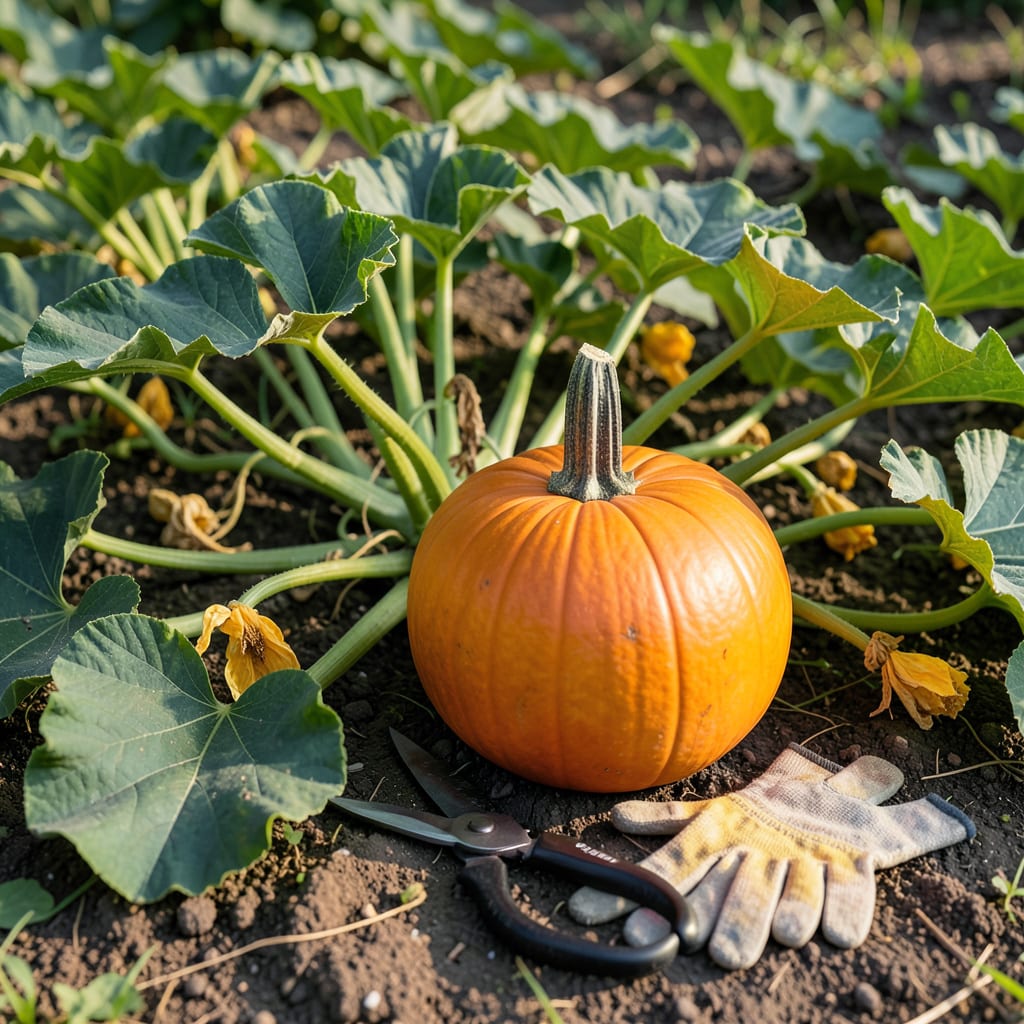
Picking a Pumpkin 🎃 at the perfect moment ensures the best flavor and storage life. But how do you know it’s truly ready?
One wrong move can mean a mushy or underripe disappointment. I’ll show you the most reliable signs to look for, from stem hardness to rind tests, so you never guess wrong again.


Timing your pumpkin harvest perfectly makes all the difference. I’ve learned the hard way that guessing leads to disappointment. The key is watching for visual and tactile cues that signal readiness.
From color changes to stem hardness, these signs are nature’s way of telling you it’s time. Here’s how to spot them with confidence.
First, check the color. A ripe pumpkin will have a rich, consistent orange (or the expected hue for its variety). If it’s still pale or streaky, give it more time on the vine.
Next, test the rind hardness. Gently press your fingernail into the skin. If it doesn’t leave a mark, the rind is tough enough for harvest. This is one of the most reliable signs.
The stem is another telltale clue. A ripe pumpkin has a dry, woody stem that’s hard to the touch. If it’s still green and bendy, the pumpkin isn’t ready yet.
For an extra check, try the thump test. Tap the pumpkin with your knuckles—if it sounds hollow, it’s likely ripe inside. This works best with larger varieties.
Finally, observe the vines. As pumpkins mature, the vines often start to die back, turning brown and crispy. This is a natural sign that harvest time is near.
If you’re growing white or green pumpkins, like ‘Jarrahdale’ or ‘Cinderella’, focus more on the rind hardness and stem dryness since color varies by variety.
Harvest in the morning when temperatures are cool to help the pumpkins last longer. Use a sharp knife or pruners to cut the stem, leaving 2-3 inches attached to the pumpkin. This helps prevent rot during storage.
Even experienced gardeners can misjudge pumpkin ripeness. I’ve seen perfectly good pumpkins ruined by picking too early or waiting too long. The biggest mistakes often come from overlooking simple details.
From ignoring the stem condition to harvesting after frost, these errors can cost you weeks of storage life. Here’s how to avoid them and get it right every time.
One of the most common mistakes is picking too early. If the rind is still soft or the stem is green, the pumpkin isn’t ripe. It may look ready, but it won’t store well or develop full flavor.
Another pitfall is ignoring the stem. The stem’s condition tells you a lot—if it’s green and flexible, the pumpkin needs more time. A dry, brown stem is a sure sign of ripeness.
Harvesting after frost is a critical error. Frost can damage the pumpkin’s skin, leading to early rot. Always pick before the first frost hits your area.
Finally, don’t rely solely on color. Some pumpkin varieties, like ‘Jarrahdale’ or ‘Cinderella’, aren’t orange. Instead, focus on the rind hardness and stem dryness to confirm ripeness. ☀️
Testing pumpkin ripeness isn’t guesswork—it’s about using the right techniques at the right time. I rely on simple tests that reveal what the eyes can’t see. These methods work for all varieties, from jack-o’-lanterns to pie pumpkins.
With a few tools and a keen eye, you can confirm ripeness with confidence. Here’s how I do it in my garden, step by step.
| Test | How to Do It | What to Look For |
|---|---|---|
| Nail Test | Press fingernail into rind | No puncture = ripe |
| Thump Test | Tap pumpkin with knuckles | Hollow sound = ripe |
| Stem Check | Inspect stem texture | Dry and woody = ripe |
The nail test is my go-to for quick checks. Press your fingernail into the pumpkin’s skin—if it doesn’t pierce the rind, it’s ready. This works because the rind hardens as the pumpkin matures.
For the thump test, tap the pumpkin with your knuckles. A ripe pumpkin will produce a deep, hollow sound, while an unripe one sounds dull. This method is especially useful for larger varieties.
The stem check is foolproof. A ripe pumpkin has a dry, brown stem that feels hard to the touch. If the stem is still green or flexible, leave the pumpkin on the vine for a few more days. 🌱
A ripe pumpkin typically has a deep, solid orange color. However, some varieties like ‘Jarrahdale’ or ‘Cinderella’ may be green or white. Always check the rind hardness and stem dryness too.
No, a green stem means it’s not ripe yet. Wait until the stem turns brown and woody. This indicates the pumpkin has fully matured and is ready for harvest.
Store in a cool, dry place with good airflow, like a garage or basement. Keep at 50-55°F for longest shelf life. Avoid moist areas to prevent rot.
No, pumpkins will not ripen further once picked. They must fully mature on the vine. If picked too early, they’ll stay underripe.
