
Beautiful Plants For Your Interior
Beautiful Plants For Your Interior
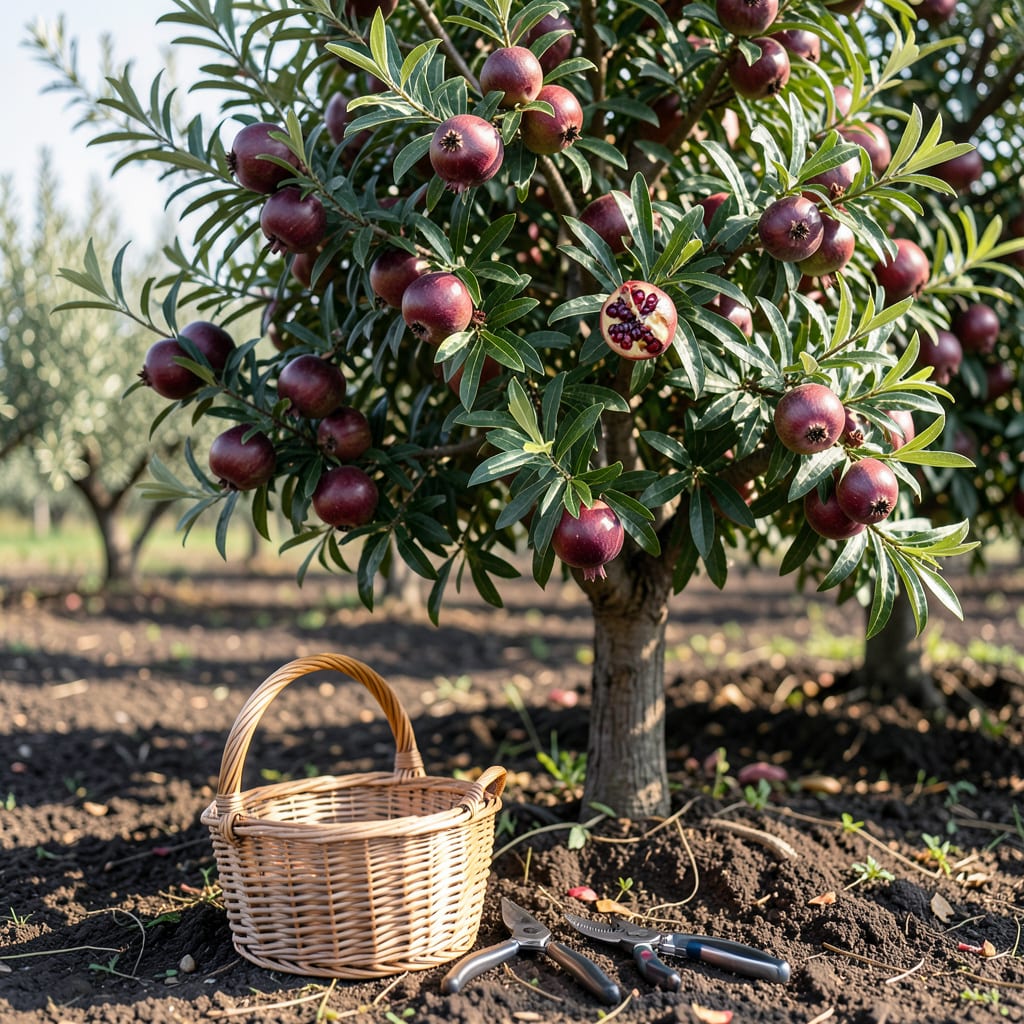
Nothing beats the disappointment of cutting open a pomegranate only to find it’s not quite ready. With the 🍇 Pomegranate, timing is everything for that perfect burst of sweetness.
Discover the subtle signs—from color shifts to that telltale metallic sound—that guarantee your fruit is at peak ripeness. I’ll show you exactly what to look for.


Knowing when to pick a pomegranate starts with observing its skin color. A fully ripe fruit transitions from green to a deep red, purple, or even yellowish hue, depending on the variety. This change is most noticeable on the side exposed to direct sunlight. ☀️
I always check the firmness next. A ready pomegranate feels heavy for its size and slightly soft when gently squeezed. Avoid fruits that feel light or rock-hard, as they’re likely underripe. The skin should also develop a leathery texture rather than appearing smooth. 🌿
| Sign | Ripe Indicator | Not Ready Sign |
|---|---|---|
| Color | Deep red or purple | Green or pale |
| Firmness | Heavy and firm | Light or hard |
| Skin Texture | Slightly leathery | Smooth and hard |
| Stem End | Dry and slightly cracked | Green and fresh |
The stem end is another giveaway. As the fruit ripens, the area around the stem dries out and may develop small cracks. This is a natural part of the process and signals that the arils inside are plump and juicy. ✂️
Regional climate variations can affect ripening times. In cooler zones like USDA 7-8, pomegranates may take longer to mature, often needing the full 180 days. Warmer climates, like zones 9-11, can speed up the process, sometimes ready in as few as 120 days. 🌡️
Don’t rely on size alone to judge ripeness. Some varieties naturally produce smaller fruits, while others can grow quite large. Instead, focus on the color depth and textural changes we’ve discussed. A uniformly colored pomegranate is a better indicator than its dimensions.
I’ve found that morning harvesting works best. The fruit is typically at its firmest after a cool night, making it easier to handle without bruising. Use pruning shears or a sharp knife to cut the fruit from the tree, leaving a small portion of the stem attached.
If you notice split skin on your pomegranates, don’t panic. This often happens when the fruit is overripe or has experienced uneven watering. While the fruit is still edible, it’s best to harvest it immediately to prevent further damage or pest issues. 💧
For those growing dwarf pomegranate varieties, the same ripeness signs apply. However, these plants may produce fruit slightly earlier in the season due to their compact size and controlled growing conditions. Keep an eye on color changes starting in late summer. 🌱
Finally, remember that pomegranates don’t ripen further once picked. Unlike some fruits, they won’t continue to develop sweetness or juiciness off the tree. This makes accurate timing in the garden absolutely essential for the best flavor and texture.
The sound test is my go-to method for confirming a pomegranate is ready to pick. Simply tap the fruit lightly with your knuckle or a small tool. A metallic sound indicates the seeds inside are fully developed and juicy. ☀️
If the sound is dull or thud-like, the fruit isn’t ripe yet. The metallic tone comes from the dense arils vibrating against the skin. This method works best on mature pomegranates that have already shown color changes. 🌿
I recommend testing several fruits on the same tree. Ripening can vary even within a single plant. The most sun-exposed pomegranates often mature first, so start your sound test there. ✂️
This method is especially useful for darker varieties where color changes are less obvious. The sound test removes the guesswork, giving you a reliable indicator of internal ripeness regardless of skin hue.
Remember that temperature affects sound. In cooler weather, even ripe pomegranates might produce a slightly duller tone. On warm days, the metallic sound will be more pronounced, making it easier to identify ready fruit. 🌡️
For the most accurate results, combine the sound test with the visual signs we discussed earlier. A pomegranate that’s deeply colored, heavy for its size, and produces a metallic sound is almost certainly ready to pick. 🌱
Even experienced gardeners can misjudge pomegranate ripeness. One of the most common mistakes is relying solely on size. Some varieties naturally produce smaller fruits, while others can grow quite large, regardless of maturity. 🌿
Another pitfall is harvesting based on partial color change. A pomegranate may develop red patches while still being mostly green, which doesn’t always indicate readiness. Wait for a uniform deep color across the entire fruit. ☀️
⚠️ Warning: Picking too early results in bitter, underdeveloped arils. Always confirm with the sound test and skin texture before harvesting.
Don’t be fooled by a smooth, hard skin. While it may look appealing, this texture often means the fruit isn’t ready. A ripe pomegranate should have a slightly leathery feel when gently pressed. ✂️
Many gardeners also overlook the stem end. If it’s still green and fresh-looking, the fruit likely needs more time. A dry, slightly cracked stem area is a better indicator of ripeness. 🌱
Lastly, avoid harvesting after heavy rain. The excess moisture can temporarily alter the fruit’s weight and texture, leading to a false sense of ripeness. Wait a few days for conditions to normalize before picking. 💧
No, wait for a uniform deep color across the entire fruit. Partial red patches often mean it’s still ripening. The sound test can help confirm—only pick if you hear that metallic tone.
This usually means it’s underripe. A ready fruit should feel heavy and firm. Lightness often indicates the arils inside haven’t fully developed their juicy sweetness yet.
Morning is ideal. The fruit is firmest after a cool night, making it easier to handle without bruising. Use sharp shears and leave a bit of stem attached.
Not always. Some varieties develop a deep purple or even yellowish hue when ready. Focus on the color depth and texture rather than just the shade.
