
Beautiful Plants For Your Interior
Beautiful Plants For Your Interior
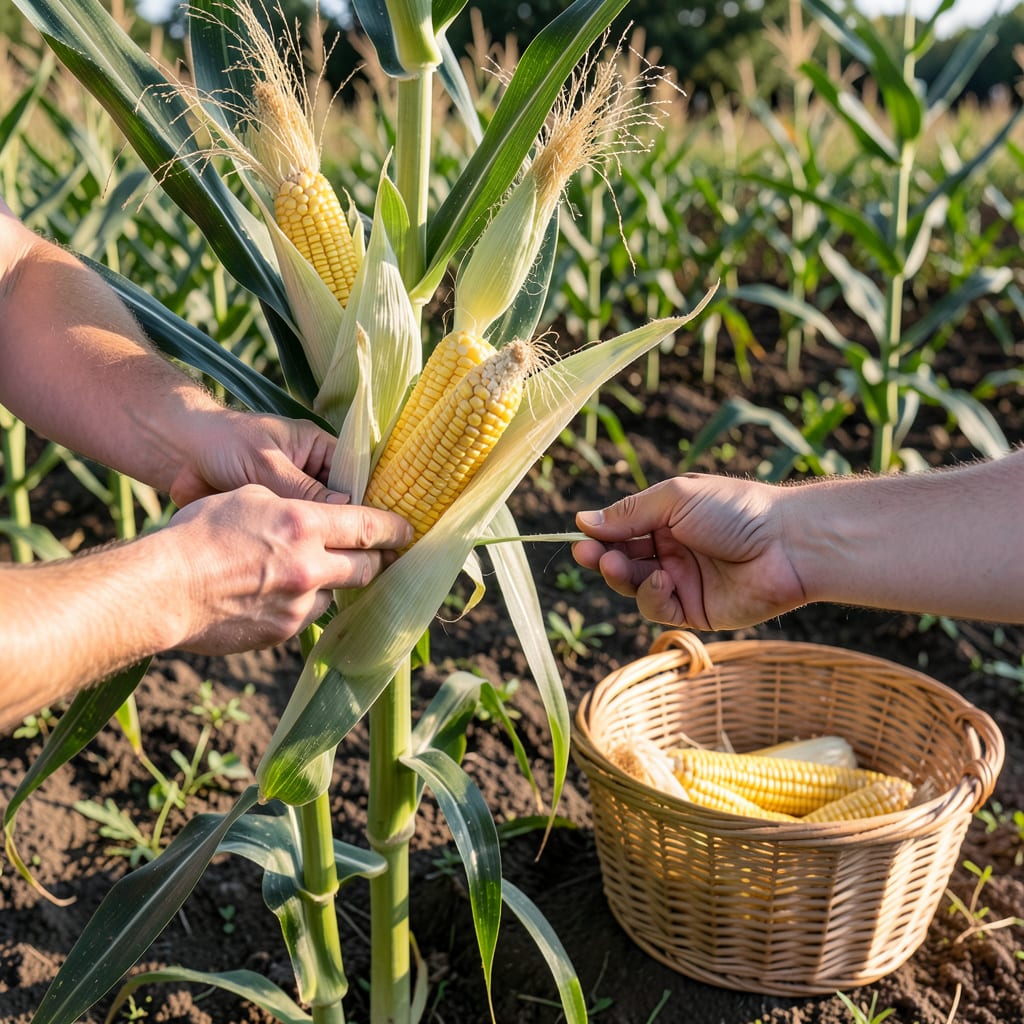
Picking corn at the perfect moment ensures the sweetest, juiciest kernels. The 🌽 in your garden won’t tell you when it’s ready, but there are clear signs to watch for.
I’ll show you the field-tested indicators that signal your corn is at peak ripeness. From silk color to kernel texture, these clues will help you harvest at just the right time.


Timing your corn harvest perfectly ensures the sweetest, juiciest kernels. The key is watching for visual and physical cues that signal peak ripeness. I always check for a combination of signs rather than relying on just one.
My first stop is the silk at the top of the ear. When it turns brown and dry, it’s a strong indicator that the kernels inside are mature. This usually happens about 20 days after silking begins.
| Sign | What to Look For |
|---|---|
| Silk Color | Brown and dry at the top |
| Ear Firmness | Plump and full through the husk |
| Kernel Test | Milky white liquid when pierced |
| Husk Condition | Green and tightly wrapped |
The ear firmness is another reliable sign. A ripe ear will feel heavy and plump when you hold it. If it feels light or underfilled, it’s not ready yet. I often compare ears from the same plant to gauge consistency.
For absolute certainty, I use the fingernail test. Gently press a kernel through the husk and check the liquid. If it’s milky white, it’s ready. If it’s clear, the corn needs more time. This test is quick and highly accurate.
The husk condition also provides clues. A ripe ear will have a green, tightly wrapped husk. If the husk is loose or starting to yellow, the corn may be overripe. I always check the husk first before moving to other tests.
I’ve found that harvesting in the morning gives the best results. The kernels are at their juiciest after a cool night. This small step can make a noticeable difference in flavor and texture.
Remember, corn matures quickly once it reaches the milky stage. I check my plants daily during this period to avoid missing the perfect window. The ideal harvest time is usually 2-3 days after the silks turn brown.
For sweet corn varieties like ‘Golden Bantam’ or ‘Silver Queen‘, the signs are the same, but the timing may vary slightly. Always refer to the days to maturity listed on your seed packet for guidance.
🌽I’ve found that checking corn ripeness without damaging the husk is simpler than you might think. The fingernail test is my go-to: gently press a kernel through the husk and check the liquid. Milky white fluid means it’s ready, while clear liquid means it needs more time.
The ear weight is another great indicator. A ripe ear will feel heavy and plump in your hand, while an immature one feels light and underfilled. This method saves time and keeps the husk intact for protection.
I also rely on the silk color as a quick visual cue. When the silks at the top of the ear turn brown and dry, it’s a strong sign that the kernels inside are mature. This usually happens 20 days after silking begins.
Another trick I use is the husk tightness test. A ripe ear will have a husk that feels snug and green. If the husk is loose or starting to yellow, the corn might be past its prime.
Timing is everything with corn. I check my plants daily once the silks appear, as the window for peak ripeness is often just a few days. Missing it by even a day or two can mean the difference between sweet and starchy.
Finally, I always harvest in the early morning when the kernels are at their juiciest. This small step can make a big difference in flavor and texture. Trust your senses—they’re your best tools for perfect corn every time
I’ve seen even experienced gardeners make timing errors with corn that turn a promising crop into a disappointment. The most common mistake is picking too early, when kernels still release clear liquid instead of milky fluid.
Another frequent issue is waiting too long. Once corn passes its peak, the sugars convert to starch, leaving you with tough, less sweet kernels. This usually happens within 2-3 days of perfect ripeness.
Picking before silks brown or after husks yellow ensures poor flavor and texture. Check daily once silks appear.
Many gardeners misjudge ear size as the sole indicator. While full-sized ears are important, they must be combined with other signs like milky kernel liquid and dry silks for true ripeness.
I’ve learned that ignoring weather can also ruin timing. Hot weather speeds up maturation, so I check my corn twice daily during heat waves. Cooler temps may extend the window slightly.
Finally, don’t forget that variety matters. Sweet corn types like ‘Peaches and Cream‘ may mature faster than field corn. Always note the days to maturity listed on your seed packet.
🌽Gently pierce a kernel with your fingernail. If it releases milky white liquid, it’s ready. If the liquid is clear, it needs more time to ripen.
Silks should be brown and dry at the top of the ear. Green or yellow silks mean the corn isn’t ripe yet. This change usually happens about 20 days after silking begins.
Feel the ear through the husk—it should be plump and heavy. Light or underfilled ears need more time. The husk itself should be green and tightly wrapped.
Overripe corn becomes starchy and tough as sugars convert to starch. This typically happens within 2-3 days after peak ripeness. Morning harvests yield the sweetest kernels.
