
Beautiful Plants For Your Interior
Beautiful Plants For Your Interior
Those cottony white clusters on your elm tree branches aren’t just unsightly—they’re mealybugs, and they multiply faster than you’d expect. I’ve dealt with these pests on everything from houseplants to mature trees, and the key is acting before they spread to neighboring plants. The good news? You can eliminate them without harsh chemicals if you […]
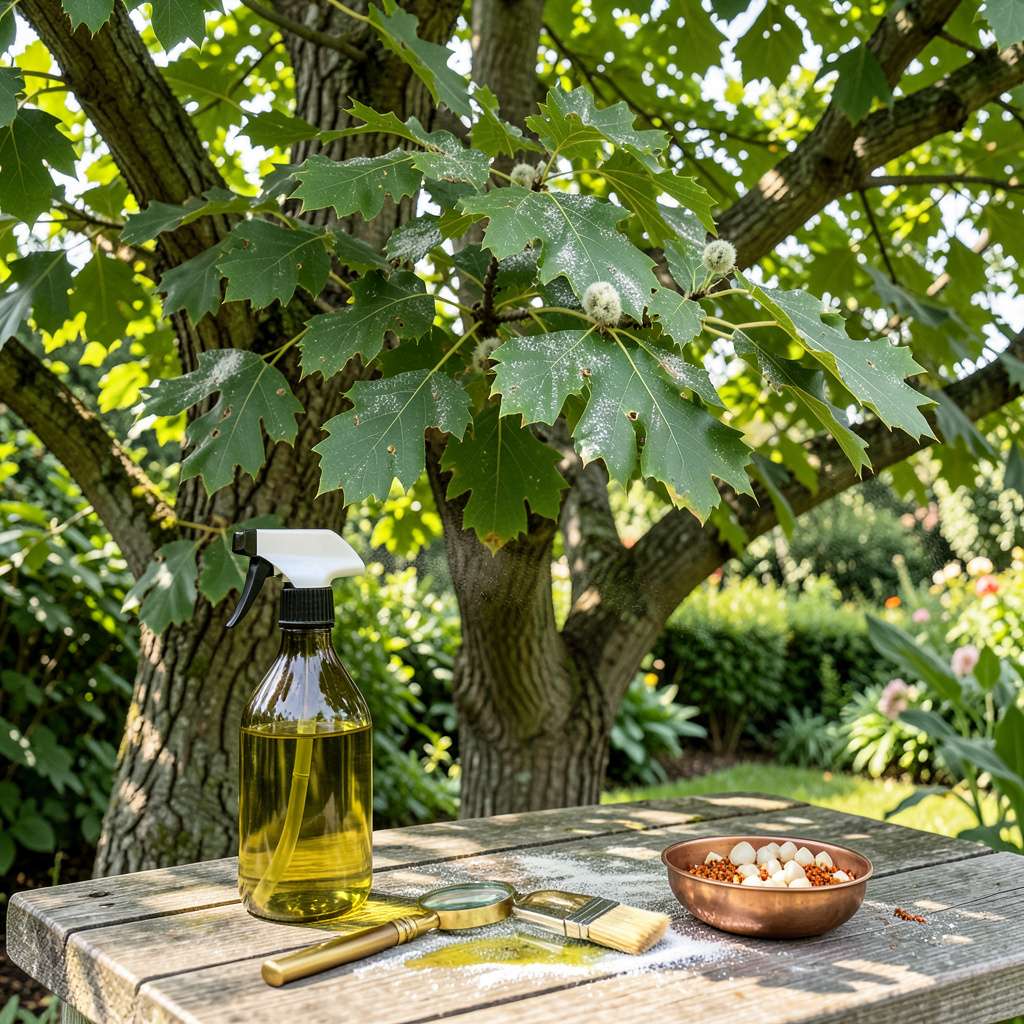
Those cottony white clusters on your elm tree branches aren’t just unsightly—they’re mealybugs, and they multiply faster than you’d expect. I’ve dealt with these pests on everything from houseplants to mature trees, and the key is acting before they spread to neighboring plants. The good news? You can eliminate them without harsh chemicals if you catch them early.
Natural removal starts with what you already have at home: a spray bottle, dish soap, and persistence. The first time I tried this method, I was skeptical—until I saw the bugs wash away after just two applications. Elm trees respond particularly well to this approach because their smooth bark makes it easier to reach hidden pests in crevices.
You’ll notice results within 48 hours as the population drops, with complete control typically achieved in under two weeks. The tree’s leaves will regain their healthy green color, and you’ll avoid the sticky honeydew residue that attracts other pests. This method works equally well for young saplings and established trees.
Fair warning: mealybugs often return if you don’t treat the surrounding area. We’ll cover how to break that cycle while keeping your elm—and the rest of your garden—protected long-term. The solution is simpler than most gardeners realize.
📚 In This Guide
This is the fastest natural method I’ve used—no harsh chemicals, just targeted action that works.
Start by examining your elm tree closely, focusing on the undersides of leaves, branch crotches, and trunk crevices. Mealybugs look like tiny white cottony clusters, often accompanied by sticky honeydew residue. I always use a handheld magnifying glass to confirm—what looks like mold might actually be a heavy infestation.
Check for sooty mold (black fungus) on leaves, which grows on honeydew and signals mealybug activity. The faster you spot them, the easier removal will be. Don’t assume isolated spots are minor—these pests multiply rapidly and can spread to nearby plants within days.
Using sharp pruning shears, remove any branches or leaves with dense mealybug colonies. Cut at least 6 inches below visible infestation points to ensure you’re eliminating hidden pests. I seal pruned material in a plastic bag immediately—mealybugs can crawl off cuttings and reinfest your tree.
Disinfect your shears between cuts with rubbing alcohol to prevent spreading pests to healthy branches. This step alone can reduce the population by 50-70% if done thoroughly. Don’t skip this—pruning gives remaining treatments a much better chance of working.
Use a garden hose with a strong spray nozzle to blast mealybugs off the tree. Focus on leaf undersides and branch junctions where they cluster. I do this early in the morning so leaves dry quickly in sunlight, which helps prevent fungal issues.
Aim for 30-60 seconds per section—you’ll see white clusters washing away. Repeat this every 2-3 days for two weeks. The force of water removes their protective waxy coating, making them vulnerable to natural predators and desiccation.
Introduce natural predators like ladybugs or lacewings, which feed voraciously on mealybugs. I release them at dusk when pests are most active. For stubborn infestations, apply neem oil spray (mixed according to package) every 7 days until gone.
Neem oil works by disrupting their life cycle—it’s most effective when applied in early morning or late evening to avoid leaf burn. You’ll notice fewer white clusters within 3-5 days of consistent treatment. Combine this with the water spray for fastest results.
Check your elm tree weekly for 4-6 weeks after treatment. Look for new white clusters or honeydew—early detection prevents major outbreaks. I keep yellow sticky traps nearby to catch crawling nymphs before they establish colonies.
Apply a fresh layer of mulch around the base (but not touching the trunk) to encourage beneficial ground predators. Avoid over-fertilizing—mealybugs thrive on soft new growth. Healthy, slightly stressed trees actually resist infestations better than pampered ones.
These practical insights will help you tackle mealybugs more effectively while avoiding common pitfalls that can set back your progress.
Inspection Technique: When examining your tree in Step 1, pay special attention to the undersides of leaves where mealybugs love to hide. I’ve found that using a small paintbrush to gently lift leaves gives better visibility than just visual inspection alone. The sticky honeydew they leave behind is often your first clue—it feels slightly tacky when you run your fingers along the leaf surface.
Pruning Precision: In Step 2, don’t just cut at the visible infestation point—mealybugs often extend further than you can see. That 6-inch buffer below visible colonies is crucial because these pests spread along the plant’s vascular system. I learned this after multiple reinfestations from cutting too close to the visible damage. Always seal pruned material immediately in a plastic bag to prevent escape.
Water Spray Strategy: For Step 3’s water treatment, timing matters more than you might think. The 30-60 seconds per section isn’t arbitrary—it takes that long to penetrate their waxy protective coating. I’ve had best results using a nozzle with a concentrated stream rather than a wide spray. Early morning applications work best because the leaves dry quickly in sunlight, reducing fungal risks.
Treatment Timing: When applying neem oil in Step 4, consistency is everything. The 7-day interval between applications matches the mealybug life cycle, disrupting their reproduction. I’ve noticed the fastest results when combining neem oil with the water spray—alternate days between treatments. Always apply in early morning or late evening to avoid leaf burn from the oil magnifying sunlight.
For mild infestations, treat every 7–10 days until bugs disappear (usually 2–4 weeks). Severe cases may need weekly applications for 4–6 weeks. Monitor leaves/stems closely—if you spot new white cottony clusters, repeat treatment immediately. Prevention tip: Spray Neem Oil on Soil or Leaves: Best Practices for Garden Health”>Spray neem oil monthly during warm months to deter reinfestation.
Can I use dish soap to kill mealybugs on an elm tree?
Yes! Mix 1 tbsp mild dish soap (like Castile) with 1 quart water and spray directly on bugs. Pro tip: Test a small branch first—some elm trees are soap-sensitive. Avoid harsh detergents; they can burn leaves. Reapply every 3–5 days until gone.
Spring and early summer ( March–June) are ideal—mealybugs are most active then. Treat at dawn/dusk to avoid harming pollinators. If infestation peaks in fall, act fast before eggs overwinter. Bonus: Prune heavily infested branches in late winter to reduce next season’s population.
Rarely, but severe infestations weaken trees by sucking sap, leading to stunted growth, leaf drop, or sooty mold (a black fungus). Young or stressed elms are most at risk. Act fast if you see honeydew (sticky residue) or ants farming the bugs—it’s a sign of a major problem!
Ladybugs, lacewings, and parasitic wasps devour mealybugs. Attract them by planting dill, fennel, or marigolds nearby. For instant help, buy live ladybugs (release at dusk) or green lacewing larvae from garden centers. Avoid pesticides—they’ll kill the good bugs too!
Dealing with mealybugs on your elm tree doesn’t have to be overwhelming! Consistency is key—whether you choose natural sprays, manual removal, or beneficial insects, sticking with your plan will restore your tree’s health. 🌿 Remember, early action and regular monitoring make all the difference in keeping these pests at bay.
Now that you’re equipped with the right tools and knowledge, take the first step today! Inspect your elm tree, pick your preferred method, and start treating those mealybugs. Your tree will thank you with lush, vibrant growth in no time. 💚
