
Beautiful Plants For Your Interior
Beautiful Plants For Your Interior
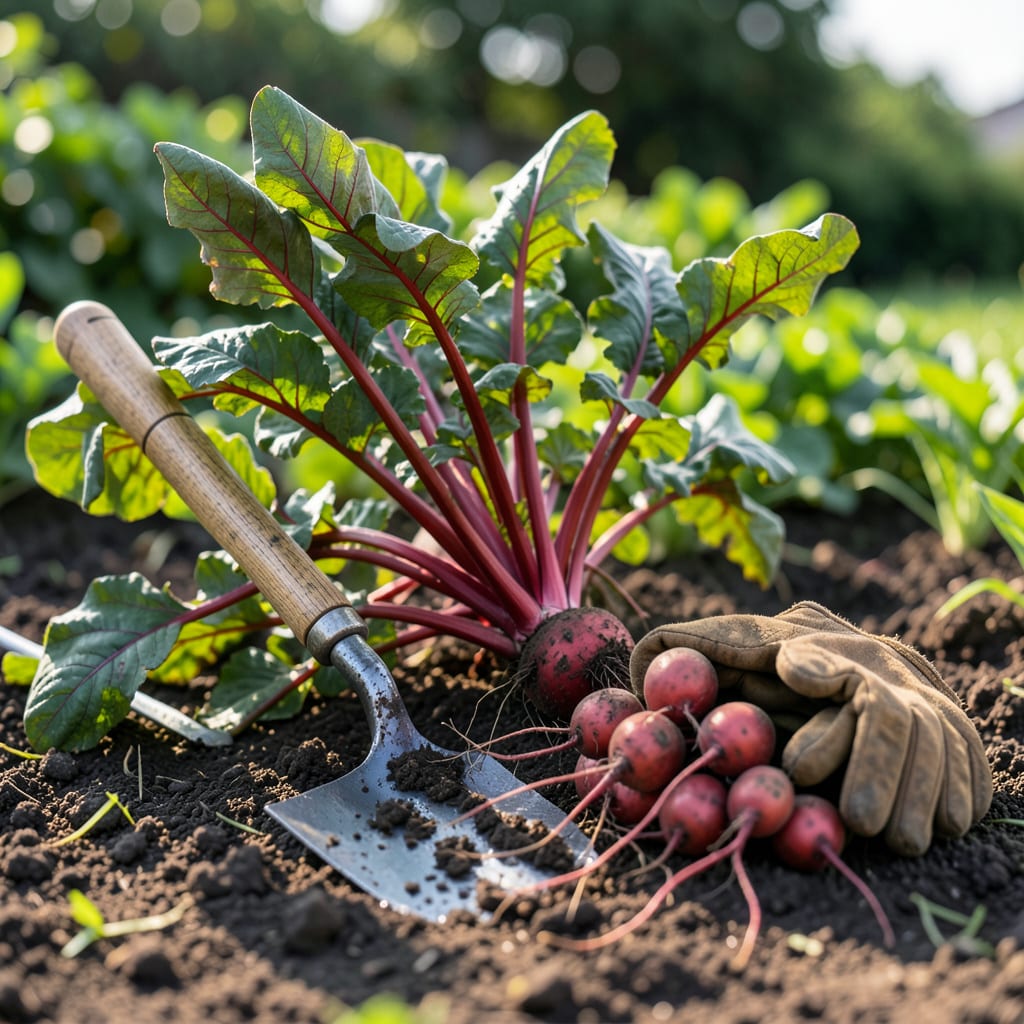
Ever wondered what goes into getting that sweet sugar from field to table? The harvesting process for sugar cane and beets is a fascinating blend of tradition and modern technology.
I’ll walk you through the key steps and tools that make it all happen, whether you’re growing a small patch of 🌿 Sugarcane or curious about large-scale operations. Let’s dig in.
Harvesting sugar cane is a carefully timed process that depends on the crop reaching peak sugar content. In tropical regions, this typically happens after 12-24 months of growth. The stalks need to be thick, hard, and full of sweet juice for the best yield.
The first step is identifying the right time. Look for lower leaves drying and turning brown, while the upper leaves stay lush and green. This visual cue signals the cane is ready for harvest.
| Method | Description | Best For |
|---|---|---|
| Manual Cutting | Hand tools like machetes or cane knives | Small-scale farms |
| Mechanical Harvesting | Uses combine harvesters or chopper harvesters | Large plantations |
| Burning Before Cutting | Removes leaves and trash for easier cutting | Traditional method |
For manual harvesting, workers use sharp tools to cut the stalks at the base. This method is labor-intensive but preserves the stalk integrity. It’s common in areas where machinery can’t easily access the fields.
Mechanical harvesting is the go-to for large operations. Machines like combine harvesters cut, chop, and load the cane in one pass. This speeds up the process and reduces labor costs significantly.
In some regions, farmers burn the fields before harvesting. This removes the dry leaves and makes cutting easier. However, it’s controversial due to air pollution concerns and potential soil damage.
Once cut, the cane must be processed quickly. Sugar content starts to degrade within 24-48 hours, so timing is critical. The stalks are transported to a mill where they’re crushed to extract the sweet juice.
For home gardeners, harvesting a small patch is manageable with basic tools. Just ensure the stalks are mature and the sugar content is high. Use a sharp knife to cut the stalks cleanly at the base.
Regardless of the method, the goal is the same: maximize sugar yield while minimizing damage to the crop. Proper timing and technique make all the difference in getting the sweetest harvest possible.
I’ve found that early morning harvesting helps preserve sugar content, as the heat of the day can start to degrade the quality. Always handle the stalks gently to avoid bruising, which can lead to sugar loss.
With the right approach, you can achieve a high-quality harvest whether you’re working on a small garden plot or a large commercial field 🌿
Harvesting sugar beets is a precise process that begins when the roots reach optimal sugar concentration. Unlike cane, beets thrive in temperate climates and are typically ready after 5-6 months of growth. The roots should be firm and fully developed before lifting.
Timing is critical. I recommend harvesting in late autumn before the first frost, as cold temperatures can damage the roots. The soil should be dry but not frozen to make extraction easier and prevent clumping.
Sugar Beet Harvesting Steps:
Mechanical harvesters are the standard for sugar beets. These machines use share blades to lift the roots from the soil with minimal damage. They’re designed to handle large fields efficiently, reducing labor costs.
After lifting, the topping mechanism slices off the greens, which are often returned to the soil as organic matter. This step is crucial because the tops can contain impurities that affect sugar extraction.
The cleaned beets are then loaded onto trucks. I’ve noticed that quick transport is essential, as the sugar content can degrade if the beets sit too long. Processing plants are usually nearby to minimize delays.
For small-scale growers, manual harvesting with a garden fork or beet lifter works well. Gently loosen the soil around each plant before pulling to avoid breaking the roots. Store harvested beets in a cool, dry place until processing.
With proper timing and care, you can achieve a high-yield harvest that’s just as sweet as any commercial operation 🌿
While both crops produce sugar, their harvesting methods differ dramatically due to climate needs and plant structures. Sugar cane thrives in tropical zones and requires 12-24 months to mature, while beets grow in temperate regions and are ready in 5-6 months.
Sugar cane harvesting often involves burning fields to remove leaves before cutting, while beets are mechanically lifted from the soil. The former focuses on stalk integrity, while the latter prioritizes root extraction without damage.
Sugar Cane vs. Sugar Beet Harvesting:
✅ Sugar Cane Pros
❌ Sugar Cane Cons
✅ Sugar Beet Pros
❌ Sugar Beet Cons
For sugar cane, manual or mechanical cutting is used, with combine harvesters being the most efficient for large-scale operations. The stalks are then quickly transported to mills to prevent sugar loss from degradation.
Sugar beets, on the other hand, are harvested using specialized lifters that gently extract the roots. The topping process removes greens to reduce bulk, and the beets are cleaned before transport. This method minimizes root damage and ensures high sugar content.
I’ve found that timing and equipment are everything. Sugar cane needs quick processing, while beets can tolerate a slight delay if stored properly. Both crops demand precision to maximize yield and quality.
Understanding these differences helps gardeners and farmers choose the right approach for their climate and resources 🌱
Late autumn, just before the first frost, is ideal. The roots reach peak sugar content in 5-6 months, and the soil should be dry but not frozen for easy extraction.
Burning removes dry leaves and trash, making cutting easier. However, it’s controversial due to air pollution and soil damage concerns, so many modern farms use mechanical harvesters instead.
Yes! Use a garden fork or beet lifter to gently loosen the soil. Pull carefully to avoid breaking the roots, and store in a cool, dry place until processing.
Within 24-48 hours to prevent sugar degradation. The stalks are transported to mills immediately, where they’re crushed to extract the juice.
