
Beautiful Plants For Your Interior
Beautiful Plants For Your Interior
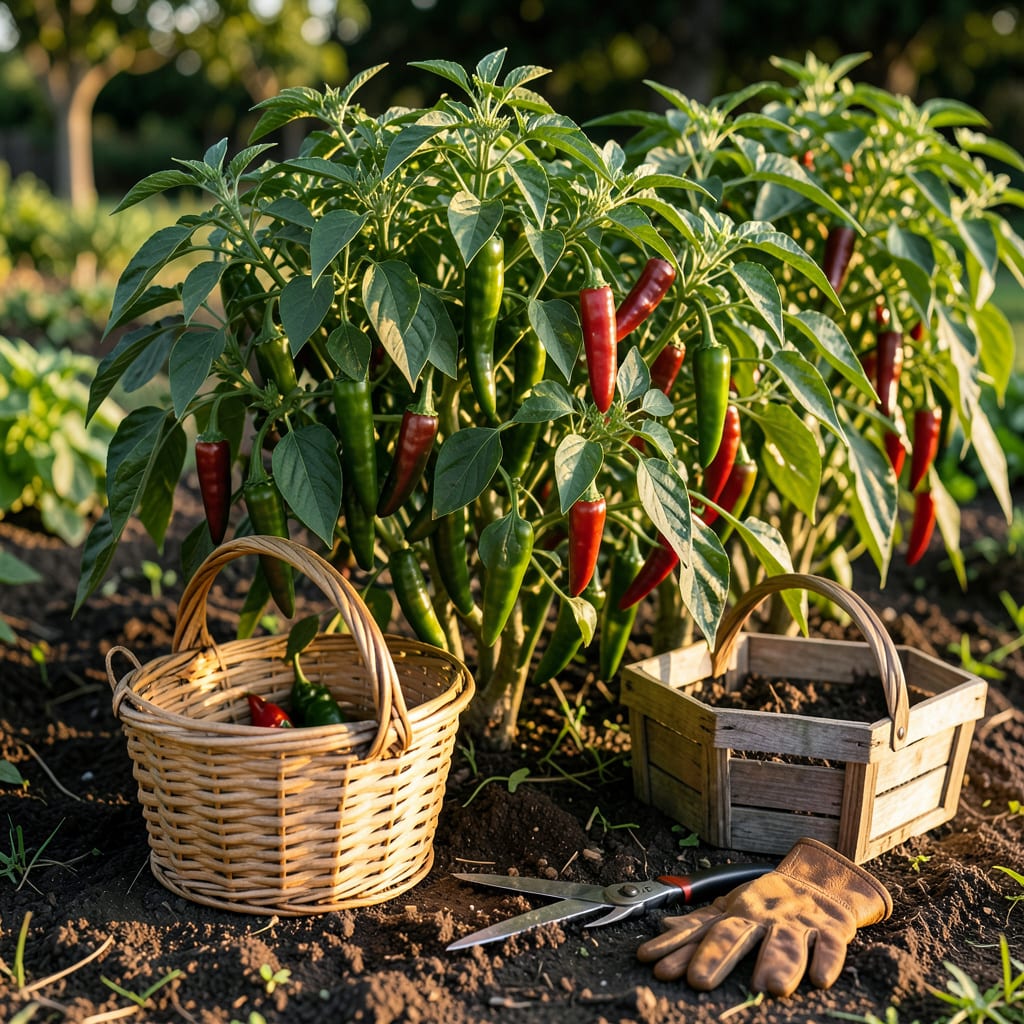
Timing your Hatch chile harvest perfectly can mean the difference between mild, flavorless pods and the fiery, aromatic 🌶️ that New Mexico is famous for.
I’ll show you how to spot the exact window for peak ripeness so you get maximum flavor and heat from every pepper you pick.


The Hatch chile harvest season typically runs from late August through early October, with peak ripeness occurring in September. This window aligns with the 90-110 day maturity period for most varieties. The timing can shift slightly based on your local climate and when you planted.
In New Mexico’s USDA Zone 8a, the warm days and cool nights of early fall create ideal conditions for flavor development. The first frost date of October 30th often marks the end of the harvest window, so I always aim to pick before then.
| Sign | Description |
|---|---|
| Color Change | Vibrant red, green or yellow depending on variety |
| Texture | Glossy, firm skin that’s smooth to touch |
| Size | 4-6 inches long for most mature pods |
| Stem Condition | Dry, woody stem indicates full maturity |
I’ve found that color is the first sign to watch for. Hatch chiles start pale green and deepen to their variety-specific hue as they ripen. The Big Jim variety, for example, turns a deep red when fully mature, while Sandia peppers develop a rich green color.
The firmness test is crucial – gently squeeze the pepper. A ripe Hatch chile should feel solid and plump, not soft or wrinkled. If it gives under slight pressure, it’s not ready yet. I check a few pods daily as the season approaches its peak.
Another telltale sign is the stem condition. When the stem turns from green to brown and woody, the pepper is typically at peak ripeness. This change often coincides with the color transformation and firm texture we look for.
Regional variations do occur. In cooler climates, the harvest might start a week or two later. If you’re growing in containers, the peppers may mature slightly faster due to the controlled environment. I always recommend keeping a garden journal to track these patterns.
The length of the growing season in your area affects timing too. In shorter season regions, you might need to start seeds indoors earlier. Remember that Hatch chiles need full sun and consistent watering to reach their full potential.
I’ve noticed that peppers on the same plant often ripen at different rates. This is normal – just harvest the mature pods and leave the others to continue developing. The plant will keep producing until the first frost hits.
For the best flavor, I recommend harvesting in the early morning when temperatures are cooler. This helps preserve the pepper’s natural oils that contribute to its signature aroma and heat. Plus, the pods are less likely to be stressed from heat.
Remember that overripe peppers can become soft and lose flavor. If you notice the skin wrinkling or the pepper feeling mushy, it’s past its prime. Regular checking during the harvest window ensures you catch each pod at its peak.
☀️Harvesting Hatch chiles properly ensures your plants keep producing. I always use sharp pruning shears or scissors instead of pulling peppers by hand. This prevents stem damage that could stress the plant and reduce future yields.
The best time to harvest is in the early morning when temperatures are cooler. This helps preserve the pepper’s natural oils and reduces plant stress. I’ve noticed my plants look fresher and recover faster when picked at this time.
I always inspect each pepper before cutting. Look for the ripe color and firm texture we discussed earlier. If a pepper isn’t ready, leave it to mature a few more days. Forcing removal can damage both the pepper and the plant.
Another pro tip: harvest regularly to encourage more production. When I remove mature peppers promptly, the plant directs energy toward growing new ones. This can extend your harvest season by several weeks in ideal conditions.
Be gentle with the plant stems and branches. Hatch chile plants can be somewhat brittle, especially when laden with peppers. I support the branch with one hand while cutting the pepper with the other to prevent breaking.
After harvesting, I avoid overhandling the peppers. Rough treatment can bruise them and reduce their storage life. Instead, I place them gently in a basket or tray lined with a soft cloth.
✂️Once you’ve picked your Hatch chiles, proper post-harvest care is crucial for preserving their flavor and heat. I always start by gently removing any dirt or debris with a soft brush or damp cloth. Avoid washing them with water, as moisture can lead to spoilage.
For short-term storage, I place the peppers in a single layer on a tray and keep them in a cool, dry place away from direct sunlight. This method works well for 1-2 weeks if you plan to use them fresh.
For long-term storage, dry or freeze your Hatch chiles within 24-48 hours of harvesting to lock in freshness and prevent spoilage.
If you’re drying your chiles, I recommend the hanging method. Simply tie a string around the stems and hang them in a well-ventilated area for 2-3 weeks. This traditional approach enhances the smoky flavor that Hatch chiles are known for.
A dehydrator is another excellent option. Set it to 135°F and dry the peppers for 6-8 hours, checking periodically. This method is faster and more controlled, ensuring even drying without losing too much heat.
For freezing, I spread the peppers on a baking sheet and place them in the freezer until solid. Then, I transfer them to airtight containers or freezer bags. This method preserves both flavor and texture for up to 6 months. ☀️
Harvest in the early morning when temperatures are cooler. This preserves the pepper’s natural oils and reduces plant stress, ensuring better flavor and plant recovery.
Look for vibrant color, firm texture, and 4-6 inch length. The stem should turn brown and woody when fully mature.
Yes! Only pick the mature peppers and leave others to develop. Plants often ripen pods at different rates, and regular harvesting encourages more production.
Spread on a baking sheet and freeze for 24-48 hours before transferring to airtight containers. This method preserves flavor for up to 6 months.
