
Beautiful Plants For Your Interior
Beautiful Plants For Your Interior
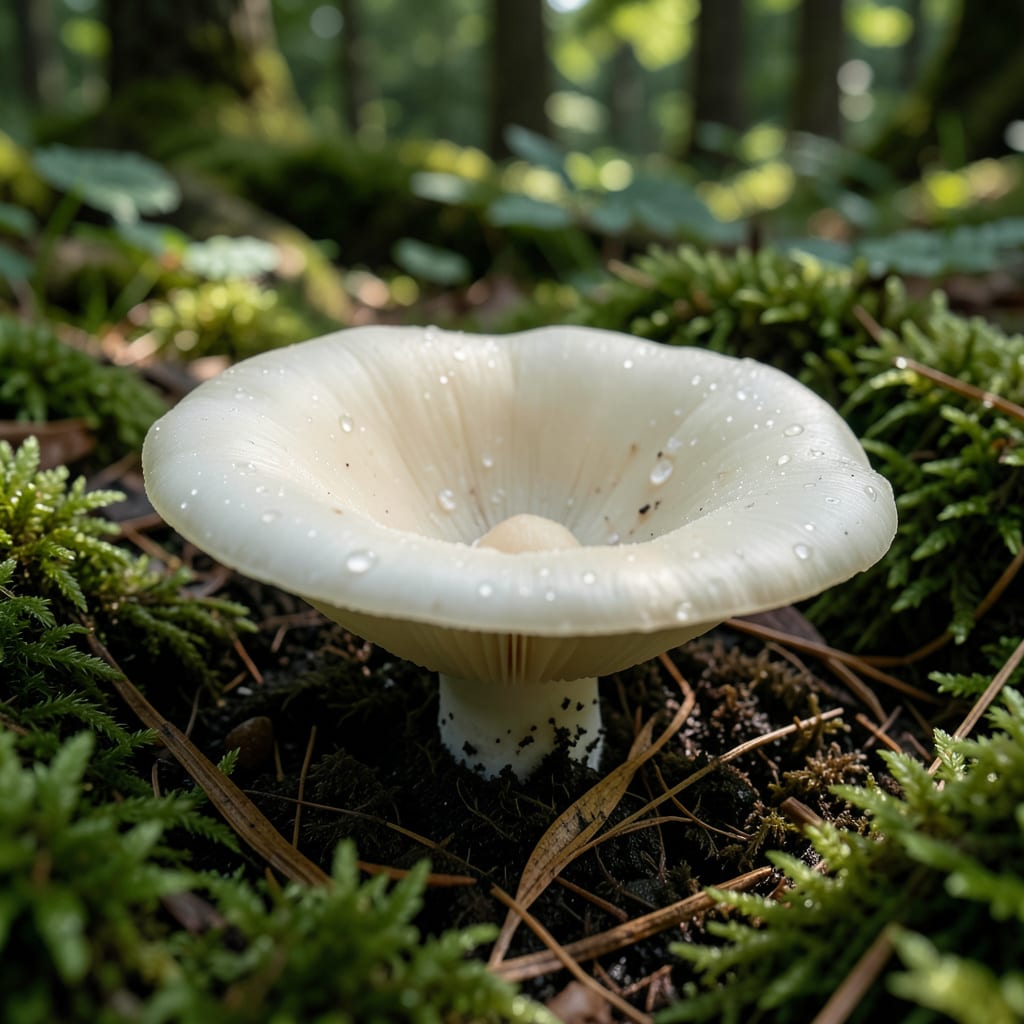
That white, crusty stuff in your yard isn’t just ugly—it’s stealing nutrients from your soil. I’ve battled this fungus in my own lawn and learned it thrives in damp, shaded spots with poor drainage.
Identifying it early saves you months of frustration. Look for hard, chalky patches that break apart like dried clay. It often spreads fast in cool, wet conditions, choking out grass and plants.
The good news? You can fight back without harsh chemicals. A few simple changes to sunlight, airflow, and moisture levels often do the trick. I’ve seen full recovery in as little as 4-6 weeks.
Works for any yard, big or small. Here’s how to reclaim your space.
Hard white fungus in your yard often appears due to specific environmental and biological triggers. Below are the primary causes, explained with actionable insights to help you address the root of the problem.
Fungi thrive in damp environments. Overwatering, heavy rainfall, or compacted soil that traps moisture creates the perfect breeding ground for saprophytic fungi (like Meripilus giganteus or Laetiporus). These organisms decompose organic matter, such as buried wood or thick thatch, and appear as hard, white, shelf-like growths when conditions stay wet for prolonged periods.
Actionable fix: Improve drainage by aerating the soil or amending it with sand or compost. Redirect downspouts and avoid overwatering.
Hard white fungi often signal hidden decay. If your yard has buried stumps, roots, or wood chips, fungi like Ganoderma or Trametes will colonize them, breaking down lignin and cellulose. Over time, their mycelium produces tough, white conks above the surface.
Actionable fix: Remove old stumps, roots, or wood debris. Replace mulch annually to prevent buildup.
Fungal growth accelerates in temperatures between 70–90°F (21–32°C) with high humidity. Summer and early fall are peak seasons for white fungi to emerge, especially in shaded, poorly ventilated areas where airflow can’t dry out moisture quickly.
Actionable fix: Prune nearby shrubs or trees to increase sunlight and airflow. Use a fan or dehumidifier in enclosed spaces.
Soils with high organic content but low microbial diversity can encourage fungal dominance. Overuse of organic fertilizers (like manure or compost) without proper decomposition may feed fungi more than plants, leading to outbreaks of hard white varieties.
Actionable fix: Test your soil’s pH and nutrient levels. Balance with inorganic amendments (e.g., lime for acidic soil) and introduce beneficial microbes via compost tea.
Tackling that stubborn hard white fungus in your yard starts with identifying the root cause. Below are practical, step-by-step fixes mapped to common triggers, plus prevention tips to keep your lawn healthy long-term.
If fallen leaves, wood chips, or thick mulch are harboring the fungus, rake and remove the debris first. Use a garden fork to aerate compacted soil, improving drainage and airflow. For severe cases, consider dethatching to expose the soil to sunlight, which naturally inhibits fungal growth.
Prevention: Regularly clear organic buildup and avoid over-mulching. 💡 Pro tip: Use a thin layer (1-2 inches) of mulch to retain moisture without suffocating the soil.
Fungus thrives in damp conditions. Reduce watering frequency and water deeply but infrequently (early morning is ideal). If your yard has poor drainage, install a French drain or amend the soil with sand or compost to improve permeability.
Prevention: Test drainage by digging a small hole and filling it with water—if it doesn’t drain within 4 hours, take action. ⏰ Pro tip: Use a moisture meter to avoid overwatering.
Weak or imbalanced soil invites fungal growth. Test your soil’s pH (fungi favor acidic conditions) and amend it with lime to raise pH or sulfur to lower it, as needed. Mix in organic matter like compost or neem cake, which have natural antifungal properties.
Prevention: Apply a balanced fertilizer (e.g., 10-10-10) seasonally to strengthen grass and deter fungi. ✨ Pro tip: Over-seed with fungus-resistant grass varieties like tall fescue or Bermuda.
For persistent patches, spray a natural fungicide like neem oil, baking soda solution (1 tbsp baking soda + 1 gallon water + a few drops of dish soap), or cornmeal (which contains Trichoderma, a fungus-fighting microbe). Reapply after rain.
Prevention: Rotate treatments to prevent resistance. 🎯 Pro tip: Always apply fungicides in the evening to avoid harming beneficial pollinators.
Most hard white yard fungi are not toxic, but some varieties can cause mild stomach upset if ingested. Keep pets and kids away until you identify the specific type. When in doubt, remove it promptly and consult a local extension office.
It can if conditions remain damp. Saprophytic fungi primarily break down dead matter, but some may attack living plants in poorly drained or nutrient-poor soil. Improve airflow and drainage to contain it.
With proper removal and prevention, you’ll typically see improvement in 2-4 weeks. Harder cases may take 6-8 weeks to fully resolve. Consistency with moisture control and soil health speeds up recovery.
