
Beautiful Plants For Your Interior
Beautiful Plants For Your Interior
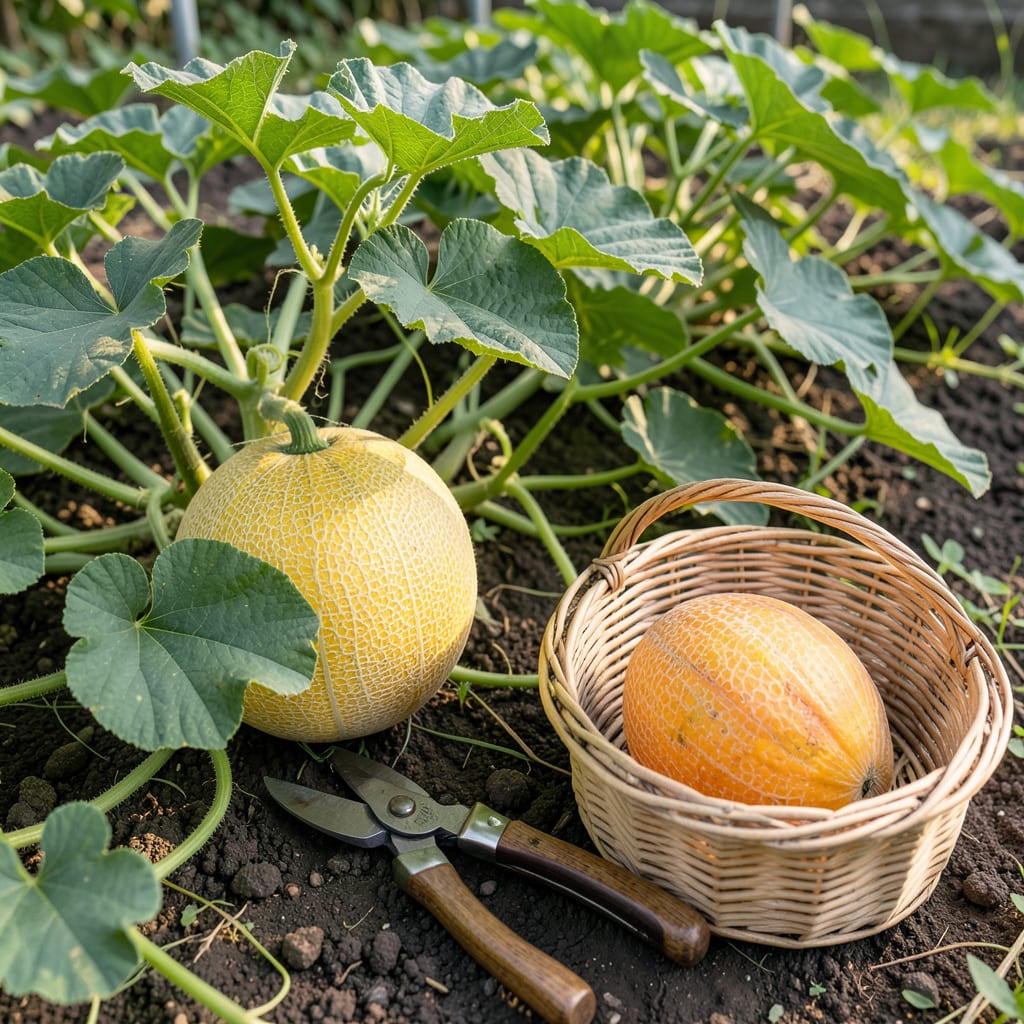
Nothing beats the taste of a perfectly ripe 🍈 Hami Melon, but knowing when to pick it can be confusing. I’ve learned the exact signs to look for that guarantee sweet, juicy fruit every time.
From the stem slip test to subtle scent changes, I’ll show you the easiest ways to determine ripeness. These simple techniques work whether you’re harvesting from your garden or selecting one at the store.


The stem slip test is my go-to method for checking Hami melon ripeness. As the melon matures, it naturally detaches from the vine at the stem. This is nature’s way of telling you it’s ready.
I always look for the full slip stage, where the stem separates completely from the vine with just a gentle touch. If it doesn’t come off easily, the melon needs more time to ripen on the plant.
🌱 Pro Tip:
A partial slip means the melon is close but not quite ready. Check again in 24-48 hours for full detachment.
A common mistake I see beginners make is pulling the stem to force it off. This can damage the vine and the melon. Always let it come away naturally when it’s truly ripe.
The stem slip test works best in the early morning when temperatures are cooler. I’ve found melons harvested then tend to be sweeter and more flavorful than those picked later in the day.
For garden-grown Hami melons, I recommend checking the stem daily once the melon reaches its expected size. The slip typically occurs between 70-100 days after planting, depending on your climate.
If you’re buying at a market, look for melons with a smooth stem scar rather than a rough one. This indicates it separated naturally from the vine when ripe.
Remember that weather conditions can affect the timing. Hot, dry periods may speed up ripening, while cool, wet weather can delay it by several days.
I’ve also noticed that vine tendrils near the melon often turn brown when the fruit is ripe. This is a good secondary sign to look for alongside the stem slip.
The stem slip method is particularly reliable for Hami melons because they’re non-climacteric fruits, meaning they don’t continue ripening after harvest like some other melon varieties do.
By mastering this simple test, you’ll consistently pick Hami melons at their peak of sweetness and flavor every time. ☀️
When the stem slip test isn’t conclusive, I rely on the scent test for Hami melons. A ripe melon emits a strong sweet aroma at the stem end that’s unmistakable once you’ve smelled it.
I always compare several melons at the market by sniffing their stem ends. The one with the most intense fragrance is usually the ripest. This works because Hami melons release more volatile compounds as they ripen.
🌱 Ripeness Indicators:
The sound test is another great method. Tap the melon with your knuckles – a hollow thump indicates ripeness, while a dull thud means it needs more time.
I find the sound test works best for larger Hami melons. For smaller ones, the scent test is more reliable. Combine both methods for the most accurate results when picking.
Remember that temperature affects scent. Cold melons may not release their full aroma, so I always let market melons sit at room temperature for an hour before testing.
For garden-grown melons, I check both scent and sound in the early morning when the fruit is cool. This gives the most consistent results across different ripeness tests.
With practice, you’ll develop a nose and ear for perfect ripeness every time. 🌿
Choosing between the stem slip, scent, and sound tests depends on your situation. Each method has unique advantages for determining Hami melon ripeness in different conditions.
I find the stem slip test most reliable for garden-grown melons, while the scent test works better at farmers’ markets where you can’t access the stem.
| Method | Best For | Pros | Cons |
|---|---|---|---|
| Stem Slip | Home gardens | Most accurate | Vine access needed |
| Scent | Markets/stores | Quick check | Subjective |
| Sound | Any location | Works for all melons | Requires practice |
For Hami melons, I prioritize the stem slip test when possible because these melons don’t continue ripening after harvest. The scent test is my second choice, especially when shopping.
The sound test can be tricky with Hami melons since their thick rinds may produce a dull thud even when ripe. I only use this as a secondary check when the other methods aren’t available.
In hot climates, I rely more on the scent test because the stem might slip prematurely. In cooler areas, the stem slip remains my most trusted indicator for perfect ripeness. ☀️
The stem detaches completely from the vine with a gentle touch. A partial slip shows a crack but remains attached, meaning it needs 24-48 hours more.
Sniff the stem end for a strong sweet aroma. Compare several melons—the most fragrant is usually the ripest. Cold melons may need 1 hour at room temperature first.
A hollow thump indicates ripeness, but this test works best for larger melons. For smaller ones, rely on the scent test instead.
No, Hami melons are non-climacteric and won’t ripen further after harvest. Always use the stem slip test to ensure peak ripeness before picking.
