
Beautiful Plants For Your Interior
Beautiful Plants For Your Interior
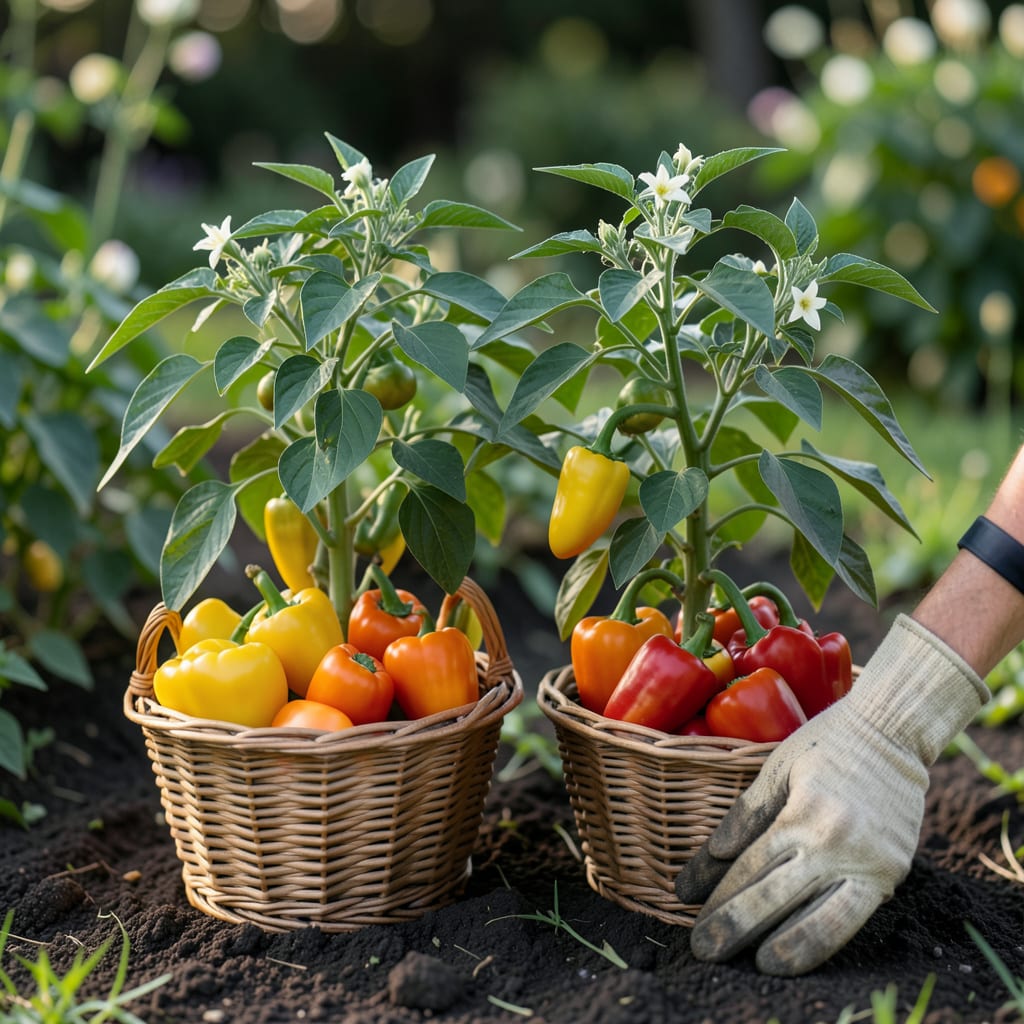
I remember the first time I grew Gypsy Sweet Peppers 🌶️ and couldn’t decide when to harvest. The color transformation from green to vibrant yellow or red is truly mesmerizing.
Getting the timing right means maximum flavor and a bountiful yield. Let me share the simple visual cues that will help you pick at the perfect moment.


I love growing Gypsy sweet peppers because their vibrant color transformation makes harvesting feel like a treasure hunt. This variety starts bright green and gradually shifts to yellow, then orange, and finally deep red at full maturity.
The color change isn’t just beautiful—it signals flavor development too. Green peppers are milder, while red ones pack the most sweetness and vitamin C. Most gardeners harvest at the yellow or orange stage for the perfect balance.
| Stage | Color | Days to Maturity | Flavor Profile |
|---|---|---|---|
| Early | Bright green | 60-65 | Mild, grassy |
| Mid | Yellow | 65-70 | Sweet, tangy |
| Late | Orange | 70-75 | Balanced sweetness |
| Full | Red | 75-80 | Rich, very sweet |
I check my Gypsy peppers daily once they start changing color. The transition from green to yellow happens quickly, often within 2-3 days in warm weather. Don’t wait too long—they’ll continue ripening off the vine but won’t develop as much sweetness.
Size matters too. Mature Gypsy peppers typically measure 3-4 inches long and 2-3 inches wide. If they’re still small and green, they need more time. A glossy skin and firm texture are other reliable signs of readiness.
The stem offers clues as well. A thick green stem means the pepper is actively growing. When it’s ready, the pepper should snap off easily with a gentle twist. If you have to pull hard, it’s not quite there yet.
I’ve found that morning harvesting works best. The peppers are crisp from the cooler night temperatures, and the plants are less stressed. Use sharp pruners or scissors to avoid damaging the plant, leaving about 1/2 inch of stem attached.
Don’t forget that regular harvesting encourages more production. I pick my Gypsies every 2-3 days during peak season. The more you harvest, the more new peppers the plant will produce.
Weather affects ripening speed. In hot weather (above 85°F), peppers may mature faster but can develop bitter flavors. In cooler temps (below 70°F), they’ll take longer to ripen.
For the best flavor, I recommend harvesting at the orange stage. This gives you the perfect blend of sweetness and tang. But if you prefer milder peppers, pick them when they’re yellow. For maximum sweetness and vitamin content, wait until they turn fully red.
🌱
I always check Gypsy sweet peppers for readiness beyond just color. The firmness test is simple: gently squeeze the pepper—it should feel solid and plump without giving.
The stem check is another reliable method. A thick green stem indicates the pepper is still actively growing and not yet ready to pick.
I recommend using pruning shears or sharp scissors to avoid damaging the plant. Never pull peppers by hand as this can break branches or harm the stem.
Harvesting too early results in underdeveloped flavor. If the pepper feels soft or wrinkled, it’s likely overripe and may have reduced quality.
For continuous production, I pick every 3-5 days during peak season. This encourages the plant to produce more peppers and extends the harvest window.
Remember that morning harvesting is ideal when peppers are most firm. This also helps preserve freshness and reduces stress on the plant. ✂️
I’ve learned that proper harvesting techniques can significantly boost your Gypsy pepper yield. The key is to pick peppers at the right stage while encouraging the plant to produce more. This variety is particularly responsive to regular harvesting.
Always use clean, sharp tools like pruning shears or scissors. This prevents damage to the plant and reduces the risk of disease. I make my cuts about 1/4 inch above the pepper to avoid harming the stem or nearby buds.
🌱 Pro Tip: Harvest Gypsy peppers in the early morning when they’re most firm. This also helps the plant recover faster and continue producing new peppers throughout the season.
For continuous production, I harvest my Gypsies every 2-3 days during peak season. The more frequently you pick, the more energy the plant directs toward producing new peppers. Don’t let mature peppers stay on the plant too long.
Be gentle with your plants. Avoid tugging on peppers as this can damage branches. Instead, use a twisting motion while supporting the plant with your other hand. This method helps prevent breaking stems.
After harvesting, I inspect my plants for any signs of pest damage or disease. Regular harvesting gives you the perfect opportunity to monitor plant health. Remove any damaged leaves or peppers to keep your plants thriving.
☀️
Look for vibrant yellow, orange, or red color and a glossy, firm texture. They should measure 3-4 inches long and snap off easily with a gentle twist.
Harvesting before full color development results in milder flavor and less sweetness. Green peppers lack the full vitamin C content and rich taste of mature ones.
Yes. Overripe peppers may become soft or wrinkled, reducing quality. For best results, harvest within 2-3 days of reaching full color.
Pick in the early morning when peppers are most firm and crisp. This also minimizes stress on the plant and preserves freshness.
