
Beautiful Plants For Your Interior
Beautiful Plants For Your Interior
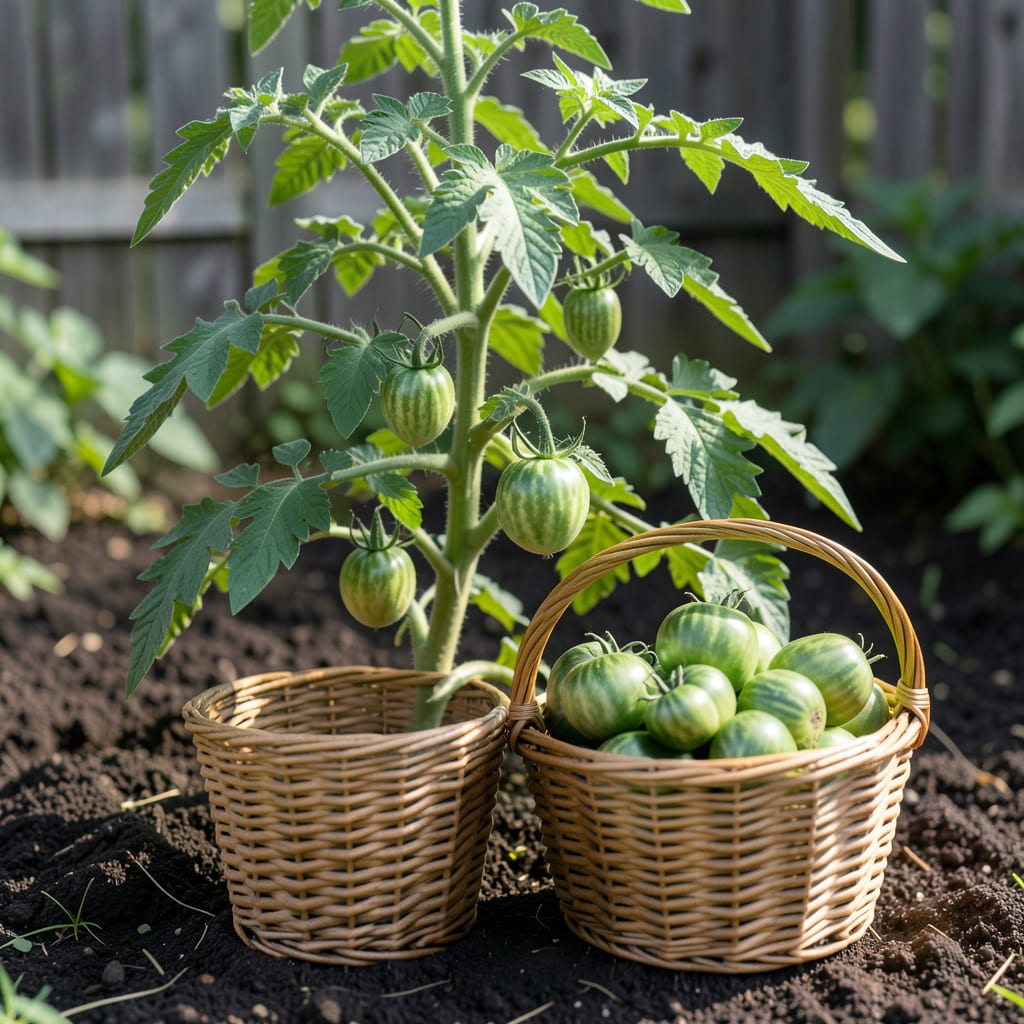
Timing is everything when it comes to harvesting Green Zebra 🍅 tomatoes. These unique striped heirlooms don’t follow the typical red-when-ready rule, which can leave many gardeners guessing.
I’ll show you the subtle visual cues and tactile signals that indicate your tomatoes are at peak ripeness. Discover how to get the best flavor from your harvest every time.


Identifying the perfect harvest time for Green Zebra tomatoes starts with observing their unique color transformation. Unlike traditional red varieties, these heirlooms transition from a solid lime green to a vibrant yellow-green base with deeper dark green stripes as they ripen. The stripes become more pronounced when ready.
This color evolution is your first and most reliable indicator. I always recommend checking the blossom end first, as it often shows the earliest signs of ripening with a slight yellowing. The glossy sheen that develops on the skin is another positive sign of maturity. ☀️
| Ripeness Stage | Visual Cues | Texture |
|---|---|---|
| Underripe | Solid green, no stripes | Very firm |
| Early Ripening | Light green with faint stripes | Firm with slight give |
| Peak Ripeness | Yellow-green with dark stripes | Slightly soft at blossom end |
The tactile test is equally important. Gently squeeze the tomato—it should yield slightly under pressure, similar to a ripe avocado. Be careful not to bruise the fruit, as Green Zebras have a thinner skin than many other varieties. I find that the blossom end softens first, so focus your attention there.
Another sign I watch for is the stem color near the fruit. When it begins to turn from green to brown, this often indicates the tomato is nearing peak ripeness. However, don’t rely solely on this, as some plants may have brown stems while the fruit is still underripe. Always combine this with the color and texture checks.
The ease of separation from the vine is another good indicator. A ripe Green Zebra should come off with a gentle twist, without much resistance. If you have to pull hard, it’s likely not ready yet. This is especially true for the first few tomatoes of the season, which might need an extra day or two.
I’ve noticed that temperature plays a significant role in ripening speed. In hotter weather, tomatoes may ripen faster, sometimes in as little as 60 days from planting. Cooler temperatures can extend this to 90 days or more. Keep this in mind when monitoring your plants.
For the best flavor, I recommend harvesting in the morning when temperatures are cooler. This helps preserve the tomato’s natural sugars and acidity balance. The glossy appearance you’ll see on ripe fruit is a result of the plant’s natural waxes and indicates peak freshness.
If you’re still unsure, try harvesting one tomato at what you think is the right stage and taste it. Green Zebras should have a tangy, slightly sweet flavor with a firm but juicy texture. If it’s too sour or hard, wait a few more days before picking the rest.
Remember that these tomatoes continue to ripen slightly after picking, but they won’t develop their full flavor potential off the vine. For the best results, try to harvest at that perfect moment when all the visual and tactile signs align. 🌱
One of the biggest mistakes I see gardeners make is picking too early. When Green Zebra tomatoes are still uniformly green without any yellow stripes, they’re not ready. These underripe tomatoes will be hard and sour, lacking the signature tangy-sweet flavor. 🌱
On the flip side, waiting too long can be just as problematic. Overripe Green Zebras become mushy and lose their vibrant acidity. The dark green stripes may fade, and the fruit might split. I recommend checking your plants daily once they start showing color changes.
⚠️ Warning: Hot weather can cause tomatoes to ripen unevenly. If your area has temperatures above 85°F, check for ripeness more frequently as the process accelerates significantly.
Another common error is ignoring the stem condition. While a browning stem can indicate ripeness, it’s not foolproof. I’ve seen many gardeners pick based solely on this, only to find the tomato inside is still underripe. Always combine this with the color and texture tests for best results.
Watering habits can also affect ripening. Inconsistent watering leads to blossom end rot or uneven ripening. I maintain a regular schedule of 1-2 inches per week, adjusting for rainfall. This helps ensure even development and predictable ripening times.
Don’t forget about sunlight exposure. Tomatoes on the shady side of the plant may ripen more slowly. I often rotate my plants or prune excess foliage to ensure all fruit gets adequate 6-8 hours of sun daily. This promotes uniform ripening across the entire plant. ☀️
Finally, be gentle when harvesting. Green Zebras have thinner skins than many varieties, making them more susceptible to bruising. Use pruning shears or twist gently to avoid damaging the fruit or the vine. This care helps maintain the tomato’s quality for storage or immediate use.
Once you’ve harvested your Green Zebra tomatoes, proper handling ensures you enjoy their full flavor potential. These heirlooms continue to ripen slightly off the vine, but won’t develop their tangy-sweet balance as well as when left on the plant. I always recommend using them within 3-5 days for best taste.
For tomatoes that need a little more time, place them at room temperature away from direct sunlight. The ethylene gas they produce naturally will help them ripen evenly. Avoid refrigerating unripe tomatoes, as cold temperatures can halt the ripening process and affect flavor development. ☀️
When your Green Zebras are fully ripe, you can extend their shelf life by storing them in the refrigerator. However, I’ve found this can slightly mute their flavor, so I only do this if I can’t use them immediately. For the best experience, try to harvest just what you need for the next few days.
If you notice some tomatoes starting to soften or develop spots, use these first. The thin skin of Green Zebras makes them more susceptible to bruising and spoilage than thicker-skinned varieties. I check my stored tomatoes daily and remove any that show signs of overripening.
For gardeners with an abundant harvest, consider sharing with neighbors or preserving through drying. I’ve had success with dehydrating Green Zebras to concentrate their unique flavor for use in winter dishes. Just
Look for yellow-green base color with dark green stripes. The fruit should feel slightly soft at the blossom end and have a glossy sheen.
Yes, but flavor won’t be as developed. Store at room temperature away from sunlight. They’ll soften but may lack full tangy-sweet taste.
Overripe ones become mushy and lose acidity. The stripes fade and fruit may split. Check daily once color changes begin.
A browning stem can be a sign, but it’s not reliable alone. Always combine with color and texture checks for accuracy.
