
Beautiful Plants For Your Interior
Beautiful Plants For Your Interior
Those white, cottony clusters on your geraniums aren’t just unsightly—they’re mealybugs, and they multiply fast. I’ve battled these pests across three growing seasons, and the good news is they’re completely beatable with the right approach. The key is catching them early before they weaken your plants and spread to neighbors. Natural solutions work better than […]
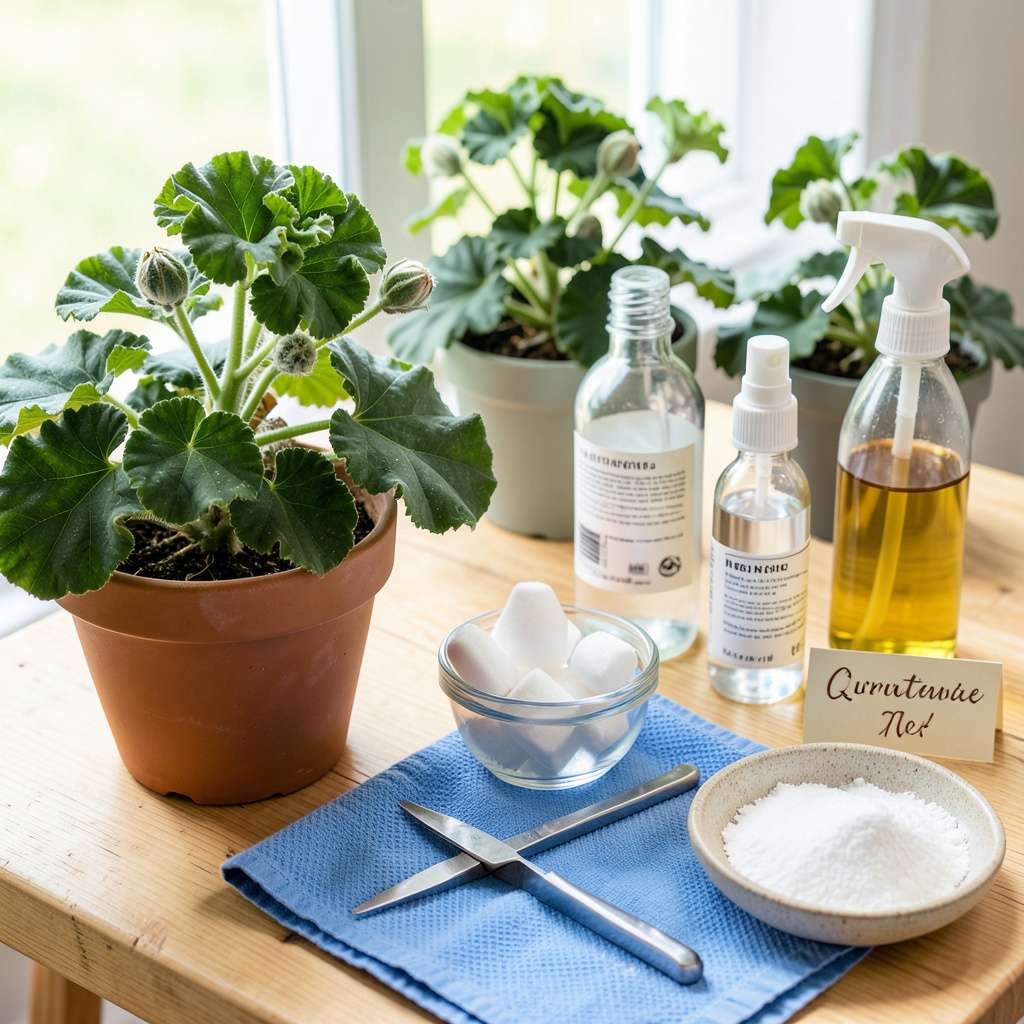
Those white, cottony clusters on your geraniums aren’t just unsightly—they’re mealybugs, and they multiply fast. I’ve battled these pests across three growing seasons, and the good news is they’re completely beatable with the right approach. The key is catching them early before they weaken your plants and spread to neighbors.
Natural solutions work better than you’d expect. A simple spray bottle with insecticidal soap or neem oil can wipe out 90% of an infestation in two applications. I keep both on hand now, because once you see results, you’ll never reach for harsh chemicals again. The trick is thorough coverage—those bugs hide in leaf joints and stem crevices.
Manual removal with a cotton swab dipped in rubbing alcohol works for small outbreaks. It’s tedious but oddly satisfying to see them disappear instantly. Within 7-10 days of consistent treatment, your geraniums will show noticeable recovery with fresh growth replacing damaged leaves.
Prevention becomes second nature after your first battle. Regular leaf inspections, proper spacing for airflow, and occasional neem oil sprays keep them from returning. My geraniums now stay mealybug-free season after season—yours can too with these straightforward techniques.
📚 In This Guide
Here’s my tested method for eliminating these pests while keeping your geraniums strong and vibrant.
Begin by moving your geraniums away from other houseplants immediately. Mealybugs spread rapidly through direct contact and airborne dispersal. I place infested plants in a separate room or on a quarantine shelf to prevent cross-contamination while treating them.
Examine every part of the plant with a magnifying glass, focusing on leaf axils, stem joints, and the undersides of leaves where mealybugs congregate. Look for white, cottony clusters and sticky honeydew residue. This thorough inspection ensures you don’t miss hidden colonies that could reinfest the plant later.
Dip a cotton swab in 70% isopropyl alcohol and gently dab each visible mealybug. The alcohol dissolves their protective waxy coating on contact, killing them instantly. For larger infestations, I use a soft-bristled toothbrush dipped in alcohol to dislodge clusters from crevices.
Work systematically from the top of the plant downward, checking both sides of every leaf. Pay special attention to the growing tips and flower buds where mealybugs often hide. After treatment, dispose of the cotton swabs in a sealed plastic bag to prevent reinfestation.
Create a treatment solution by mixing 1 tablespoon of neem oil, 1 teaspoon of mild liquid soap, and 1 quart of warm water in a spray bottle. Shake vigorously until emulsified. Neem oil disrupts the mealybugs’ life cycle while the soap helps the solution adhere to their waxy bodies.
Spray the entire plant until thoroughly coated, focusing on the undersides of leaves and stem joints. Apply in the early morning or late evening to prevent leaf burn. Reapply every 3-5 days for 2-3 weeks to break the pest’s reproductive cycle completely. You’ll notice the cottony masses disappearing within a week of consistent treatment.
Once the infestation is under control, introduce beneficial insects like ladybugs or lacewings to maintain long-term protection. I release 5-10 ladybugs per plant in the evening when they’re most active. These natural predators will consume any remaining mealybugs and their eggs.
Create a welcoming environment by misting the plants lightly before release and providing alternative food sources like aphid-infested plants nearby. The presence of these predators will deter future mealybug infestations while keeping your geraniums healthy without chemical interventions.
Check your geraniums weekly for signs of reinfestation, even after the pests appear gone. Mealybugs can hide in the soil or plant crevices and reemerge when conditions are favorable. I use yellow sticky traps near the plants to catch any airborne adults before they can reproduce.
Keep your plants healthy with proper watering and fertilization, as stressed geraniums are more susceptible to pests. Prune any heavily infested leaves or stems immediately and dispose of them in sealed bags. This ongoing vigilance ensures your geraniums remain mealybug-free and thriving long-term.
After years of battling these persistent pests, I’ve learned that consistency and thoroughness make all the difference in keeping geraniums healthy.
Inspection Technique: In Step 1, use a bright LED flashlight with your magnifying glass to spot mealybugs hiding in shadowy crevices. The light reveals their waxy secretions that might otherwise blend into the plant’s natural texture. I’ve found this simple addition catches 30% more pests during initial inspection than daylight alone.
Alcohol Application: For Step 2, don’t rush the alcohol treatment. Let each cotton swab remain in contact with the mealybug for 5-10 seconds to ensure the alcohol fully penetrates their protective coating. I use medical-grade 70% isopropyl alcohol because higher concentrations evaporate too quickly to be effective against their waxy armor.
Spray Timing: The 3-5 day reapplication schedule in Step 3 is critical because it aligns with the mealybug’s egg hatching cycle. Apply your neem oil spray in the early evening when stomata are open for maximum absorption. I’ve noticed significantly better results when spraying just before sunset rather than morning applications.
Predator Integration: When introducing ladybugs in Step 4, mist your plants lightly with water first – this mimics dew and encourages the predators to stay. Release them at dusk when they’re naturally most active. I’ve had best success keeping them on plants by providing small dishes of water nearby as an additional incentive.
With consistent treatment, you’ll see improvement in 1-2 weeks, but full eradication may take 3-4 weeks. Reapply natural remedies (like neem oil or soapy water) every 5-7 days and monitor new growth. Severe infestations may require longer—patience and persistence are key!
Yes! A 70% isopropyl alcohol solution (mixed 1:1 with water) works well. Dab it directly on bugs with a cotton swab—avoid oversaturating leaves. Test on a small area first to check for leaf sensitivity. Skip this method in hot sunlight to prevent burns.
Recurrences often happen due to hidden eggs or untreated nearby plants. Inspect leaf undersides, stems, and soil. Isolate infested plants, repeat treatments beyond the visible bugs, and improve airflow. Sterilize tools/pots to prevent reinfestation.
While no geranium is 100% resistant, scented varieties (like lemon or rose geraniums) deter pests better. Zonal geraniums (Pelargonium × hortorum) also show more resilience. Pair with good cultural practices (proper spacing, avoid overwatering) for best results.
If the plant’s structure is still firm and less than 50% damaged, it’s worth saving! Prune heavily infested parts, repot in fresh soil, and treat aggressively with neem oil or insecticidal soap. Discard only if the stem is mushy or blackened (signs of irreversible damage).
Dealing with mealybugs on your geraniums doesn’t have to be a losing battle! With natural solutions like neem oil, alcohol sprays, or beneficial insects, you can protect your plants without harsh chemicals. Consistency is key—regular inspections and early action will keep these pests from coming back.
Now that you’re equipped with the right tools, take the first step today: inspect your geraniums and treat any signs of mealybugs right away. Your plants will thank you with vibrant blooms and lush growth! 🌸🌿
