
Beautiful Plants For Your Interior
Beautiful Plants For Your Interior
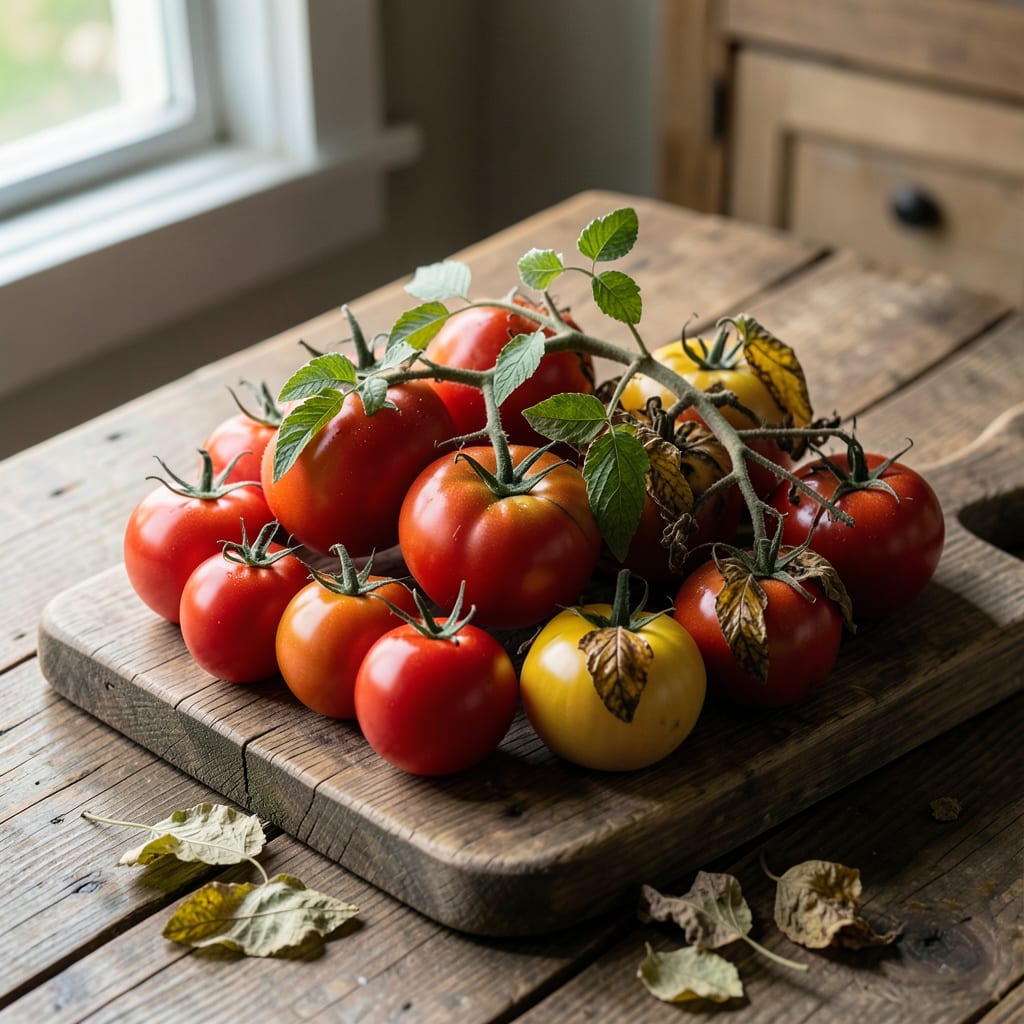
I lost an entire crop to this once. Fusarium wilt starts subtle—a single yellow leaf, then wilting that doesn’t recover overnight. By the time you notice the brown streaks in the stems, it’s often too late.
This fungus lives in the soil and attacks through the roots, blocking water flow. The leaves turn yellow on one side of the plant first, then brown and crisp. The telltale sign is the vascular discoloration you’ll see if you cut open the stem.
Early detection is your best defense. Check lower leaves daily during hot spells, and act fast if you spot the first signs. Catching it early can save the rest of your plants.
Prevention beats treatment every time. Rotate crops, use resistant varieties, and keep your garden clean. It’s the only way to stay ahead of this silent killer.
Fusarium wilt in tomatoes is a destructive disease caused by the soilborne fungus Fusarium oxysporum f. sp. lycopersici. This pathogen thrives in warm, moist conditions and can persist in the soil for years, making it a persistent threat to tomato crops. Below are the primary causes behind its occurrence:
The fungus often enters a garden through contaminated soil, seeds, or transplanted seedlings. If previous tomato crops or susceptible plants (like eggplants or peppers) were infected, the pathogen may linger in the soil, ready to attack new plants. Always use certified disease-free seeds and seedlings to minimize this risk.
Fusarium oxysporum proliferates in waterlogged conditions. Overwatering or poorly drained soil creates an ideal environment for the fungus to spread. Ensure your tomato plants are grown in well-draining soil, and avoid excessive irrigation to reduce fungal growth opportunities.
The fungus is most active in warm soils, typically between 75–85°F (24–29°C). In regions with hot climates, the pathogen can rapidly multiply and infect tomato roots. Using mulch to moderate soil temperature and planting resistant varieties can help mitigate this issue.
Planting tomatoes or other solanaceous crops in the same spot year after year allows Fusarium to build up in the soil. Rotate crops with non-host plants (e.g., beans, corn, or lettuce) for at least 3–4 years to break the fungus’s life cycle and reduce infection risks.
Garden tools, stakes, or even irrigation systems can harbor the fungus if they were previously used in infected areas. Always sterilize tools with a 10% bleach solution or rubbing alcohol after use to prevent spreading the pathogen to healthy plants.
Fusarium wilt can be tough, but these practical steps can help you manage and even prevent it from wrecking your tomato crop.
Act fast: pull out and destroy any tomato plants showing wilting, yellowing, or stunted growth. Do not compost them—this fungus can survive and spread. Bag them up and toss them in the trash to stop the disease in its tracks.
Avoid planting tomatoes, potatoes, peppers, or eggplants in the same spot year after year. Rotate with non-host crops like beans, corn, or lettuce for at least 3–4 years. This starves the fungus and reduces soil-borne spores.
Prevention starts with the right seeds. Choose tomato varieties labeled “F” for Fusarium-resistant (e.g., ‘Celebrity,’ ‘Mountain Merit,’ or ‘Solar Fire’). These won’t be immune, but they’ll handle the pathogen much better.
Cleanliness saves crops. Disinfect gardening tools, stakes, and even your hands with a 10% bleach solution or rubbing alcohol after handling infected plants. Solarize soil by covering it with clear plastic for 4–6 weeks in hot sun to kill off the fungus.
Healthy soil fights disease. Mix in plenty of organic matter (compost, aged manure) to boost beneficial microbes. Avoid overwatering—Fusarium thrives in soggy conditions. Use drip irrigation to keep foliage dry.
Pro Tip 🎯: If Fusarium is a recurring problem, consider planting in containers with fresh, sterile potting mix to break the cycle entirely.
Look for yellowing leaves on one side of the plant first, followed by wilting that doesn’t recover overnight. Cutting the stem reveals brown streaks in the vascular tissue.
Yes, but only to other solanaceous plants like potatoes, peppers, and eggplants. It spreads through contaminated soil, tools, or water, not through the air.
No, fungicides are ineffective once the fungus is inside the plant. Remove infected plants immediately and focus on prevention like crop rotation and resistant varieties.
It can persist for years without a host. Solarizing soil or planting non-host crops for 3-4 years helps break the cycle.
