
Beautiful Plants For Your Interior
Beautiful Plants For Your Interior
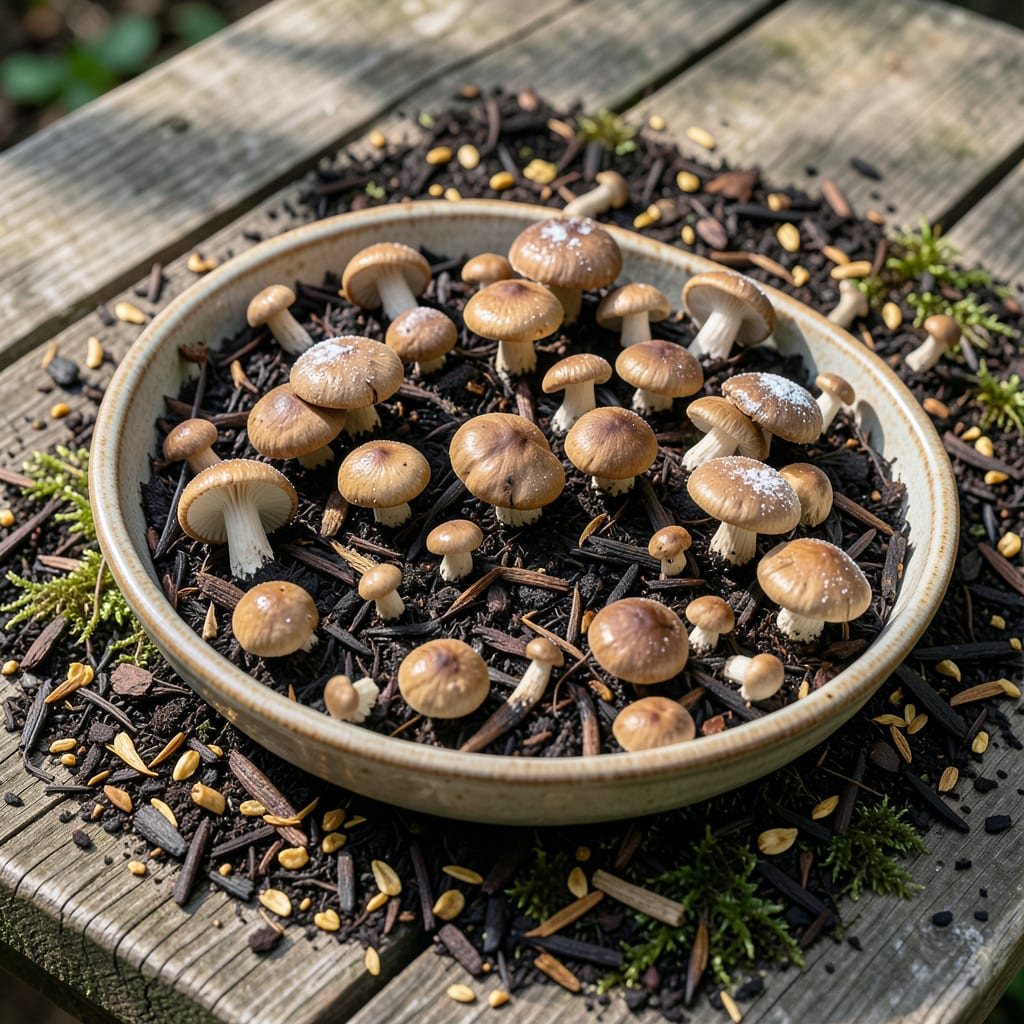
That white or yellow stuff in your mulch isn’t a mistake—it’s common and fixable. I’ve dealt with this in my own beds, and the solution is simpler than you’d think.
Most mulch fungi appear when conditions get too wet or compacted. The good news? It rarely hurts your plants, but it does look messy. A few adjustments to how you spread and maintain mulch usually clears it up.
You’ll see improvement within 2-3 weeks once you address the moisture and airflow. The key is changing your mulching habits, not just treating the symptoms.
Works for any mulch type, in any climate. Here’s how to handle it properly.
Fungus thrives in mulch due to a combination of environmental and material factors. Below are the primary causes, explained with actionable insights.
Mulch retains water, creating a damp environment that fungi love. Overwatering, poor drainage, or heavy rainfall can saturate mulch, accelerating fungal spores’ growth. Solution: Improve drainage and avoid overwatering to keep moisture levels in check.
Mulch is often made from wood chips, bark, or leaves—organic materials that decompose over time. As they break down, they release nutrients that feed fungi. Solution: Use aged mulch or opt for slower-decomposing types like cedar or pine bark.
Fungi thrive in warm, humid conditions (60–80°F). Mulch insulates soil, trapping heat and creating an ideal breeding ground. Solution: Rake mulch regularly to aerate it and disrupt fungal growth.
Compacted or thick layers of mulch restrict airflow, fostering anaerobic conditions where fungi flourish. Solution: Keep mulch layers 2–4 inches deep and fluff it occasionally to promote ventilation.
Fungal spores are naturally present in soil and air. If mulch is applied over contaminated soil or stored improperly, spores can quickly colonize it. Solution: Use sterilized mulch and remove old mulch before applying a fresh layer.
Fungus in mulch isn’t just unsightly—it can spread and harm your plants. Here’s how to tackle the most common causes with practical fixes and prevention tips to keep your garden healthy.
If your mulch stays soggy, fungus thrives. Fix it: Rake the mulch to break up compacted areas and let it dry. For severe cases, replace waterlogged mulch with fresh, dry material. Prevention tip: 💡 Use a well-draining mulch like cedar or pine bark, and avoid overwatering nearby plants.
Decaying leaves or wood chips feed fungus. Fix it: Remove old mulch and any visible organic debris. Replace it with a thin layer (2–3 inches) of fresh mulch. Prevention tip: ✨ Regularly turn the mulch with a rake to disrupt fungal growth and speed up decomposition.
Stagnant air traps moisture, encouraging fungus. Fix it: Loosen the top layer of mulch with a garden fork to improve airflow. For thick layers, reduce the depth to 2 inches. Prevention tip: 🌬️ Space mulch away from plant stems and garden structures to allow better circulation.
Fungus loves dark, damp spots. Fix it: Trim back overhanging branches or relocate mulch to sunnier areas. For shaded gardens, opt for mulch types that resist moisture, like gravel or rubber. Prevention tip: 🎯 Rotate mulch in high-shade areas more frequently to prevent buildup.
Too much nitrogen or organic matter can fuel fungal growth. Fix it: Test your soil and amend it with compost or a balanced fertilizer to restore harmony. Prevention tip: 📊 Avoid over-fertilizing, and mix mulch with soil periodically to prevent nutrient buildup.
Most mulch fungi are harmless to plants and humans. However, some types like slime molds or artillery fungus can spread spores or stain surfaces. It’s best to address it promptly to prevent further growth.
Yes, if the fungus is minor. Rake and turn the mulch to expose it to sunlight and air. For severe cases, replace the top 2-3 inches with fresh material. Always remove any visible fungal growth first.
Cedar or pine bark mulch resists moisture and decomposes slowly. Avoid finely shredded mulch, as it compacts easily. Inorganic options like gravel or rubber mulch won’t support fungal growth at all.
Refresh mulch every 1-2 years or when it starts breaking down. In humid climates, check and turn it every 3-4 months to maintain airflow and prevent moisture buildup.
