
Beautiful Plants For Your Interior
Beautiful Plants For Your Interior
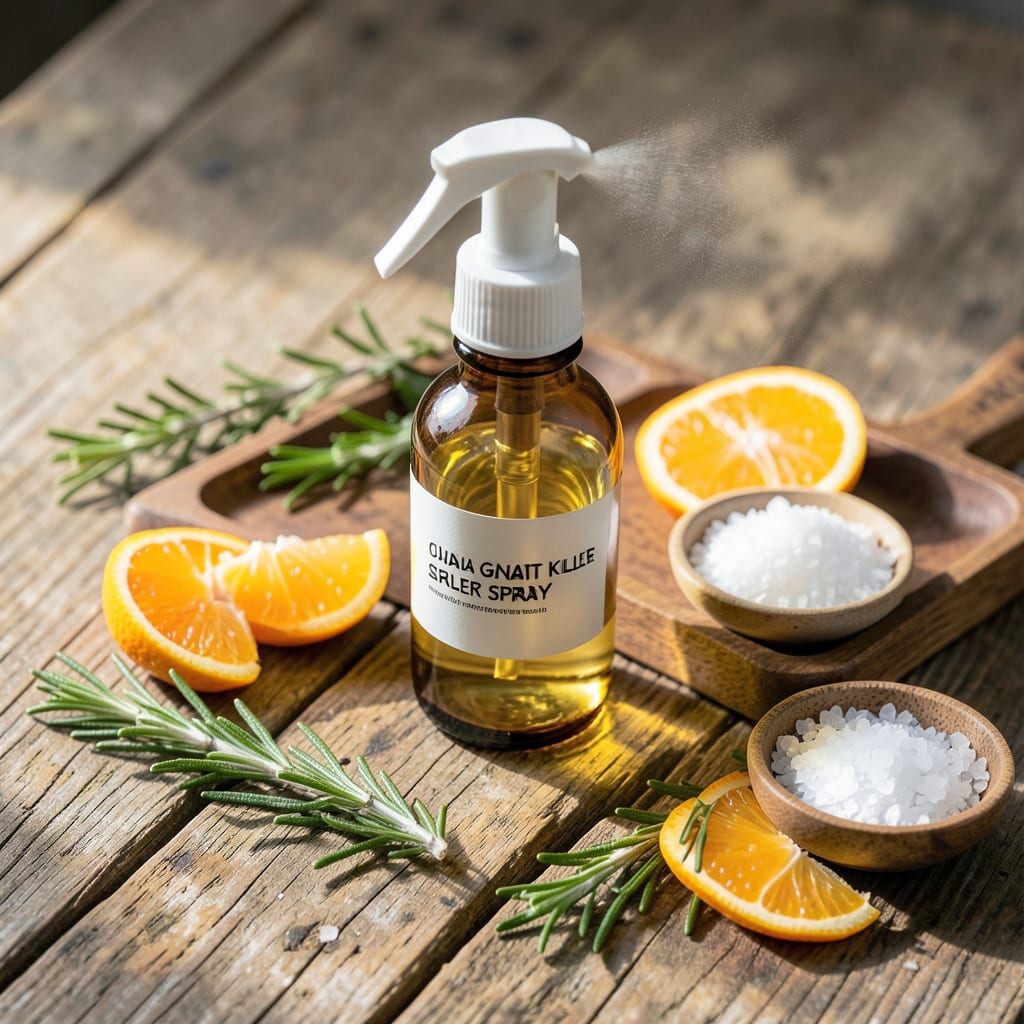
Tiny black flies swarming your houseplants? I’ve been there—fungus gnats turn a peaceful indoor jungle into a frustrating battle. They’re not just annoying; their larvae attack roots, stunting growth and even killing young plants.
The good news: a natural spray can break their life cycle fast. I developed a simple solution that targets adults on contact while suffocating larvae in the soil. No harsh chemicals, just household ingredients you already have.
You’ll see fewer gnats within 24 hours and complete control in about a week. The spray won’t harm your plants, pets, or family—just those pesky invaders.
Works for all houseplants, from ferns to fiddle leaf figs. Here’s the exact method that rescued my collection.
Fungus gnats thrive in moist, organic-rich environments, making houseplants a prime target. Understanding why they appear is the first step in tackling the issue effectively. Below are the most common causes:
Excess moisture in soil creates the perfect breeding ground for fungus gnats. These pests lay eggs in damp soil, and larvae feed on decomposing organic matter. Overwatering or using pots without drainage holes traps water, accelerating their lifecycle. To prevent this, ensure your plants have well-draining soil and pots with drainage holes.
Fungus gnats are attracted to decomposing plant material, such as fallen leaves or uneaten compost. Potting mixes high in peat or compost can also harbor eggs and larvae. Regularly remove dead foliage and avoid leaving organic debris in plant saucers to reduce their food sources.
Sometimes, fungus gnats hitch a ride on new plants or bags of soil. Inspect new plants for signs of infestation before bringing them indoors. Quarantine new additions for a few weeks to monitor for pests. Additionally, sterilize soil by baking it in the oven at 200°F (93°C) for 30 minutes before use to kill any hidden eggs or larvae.
Fungus gnats flourish in humid conditions, which is why they’re common in greenhouses or bathrooms with houseplants. Improve air circulation with fans and use dehumidifiers if necessary. Allowing the top layer of soil to dry out between waterings can also discourage their presence.
Fungus gnats thrive in moist soil, so the first step is to let your houseplants dry out between waterings. Overwatering creates the perfect breeding ground for these pests. Fix: Check the top inch of soil—if it’s dry, it’s safe to water. For severe cases, repot the plant with fresh, sterile potting mix to remove larvae.
Use a natural fungus gnat killer spray made with hydrogen peroxide (1 part 3% peroxide to 4 parts water). Spray the soil surface to kill larvae on contact and deter adults. Neem oil sprays (mixed with water and a drop of dish soap) also work well—apply every 5–7 days until gnats disappear.
Yellow sticky traps placed near plants catch adult gnats before they lay eggs. For a DIY option, fill a shallow dish with apple cider vinegar and a few drops of dish soap—the gnats are drawn in and drown.
Consistency is key—combine drying out soil, spraying, and trapping for the best results. With patience, your plants will be gnat-free in no time! ✨
Apply the natural spray every 5-7 days until gnats disappear. For severe infestations, you may need to spray every 3-4 days initially. Consistency is key to breaking their life cycle.
Yes, the natural spray is safe for all common houseplants, including sensitive varieties like ferns and fiddle leaf figs. Always test on a small area first if you’re unsure about a particular plant.
They return if the soil stays too moist or organic debris remains. Ensure the top 1-2 inches of soil dries between waterings and remove dead leaves. Check for hidden moisture sources like saucers.
Yes, the natural ingredients are safe for edible plants. Just rinse leaves with water before consumption if you’ve sprayed recently. Avoid using on the day of harvest.
