
Beautiful Plants For Your Interior
Beautiful Plants For Your Interior
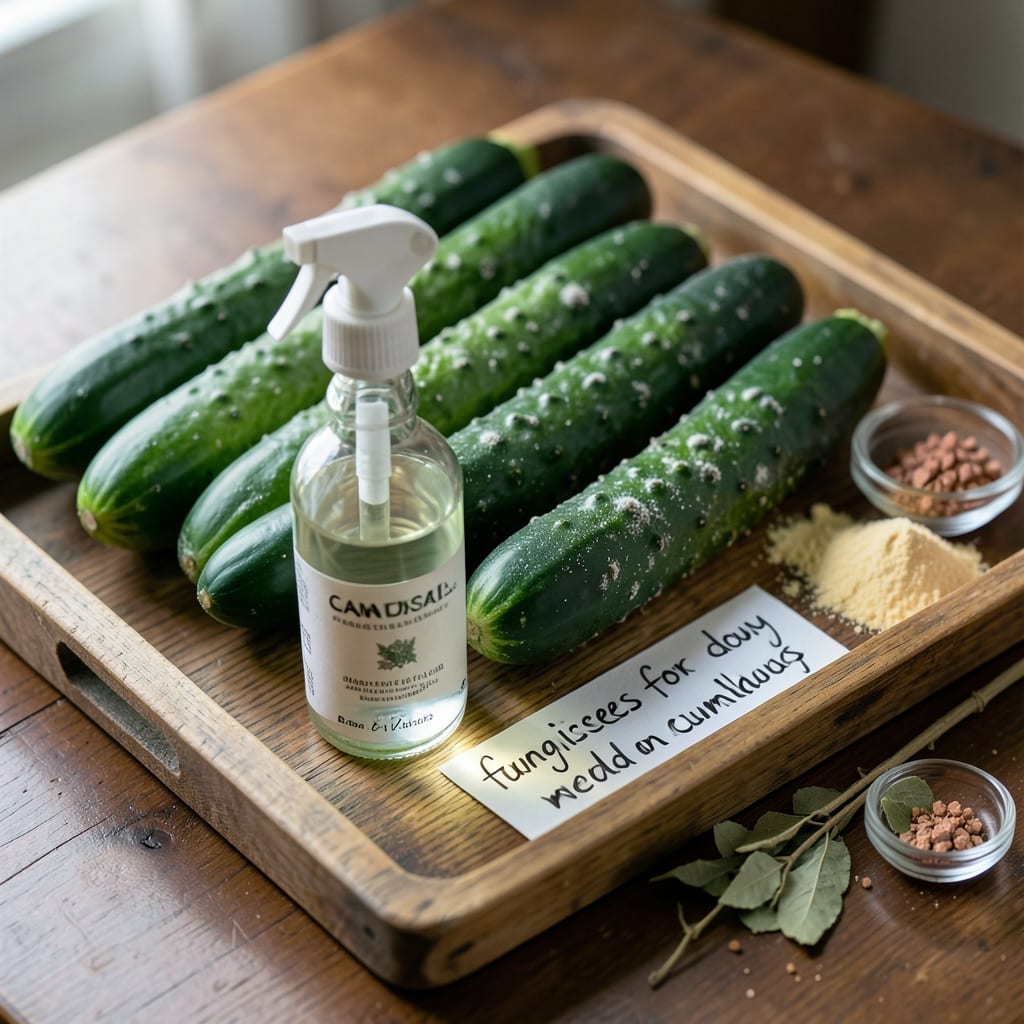
Downy mildew on cucumbers looks like a gray fuzz that spreads fast. I lost a whole crop to it once, but now I know the signs and solutions.
This disease thrives in damp, cool conditions, turning leaves yellow and stunting growth. The key is catching it early and using the right organic fungicides to stop it in its tracks.
With the right approach, your vines stay healthy and productive all season. Prevention is easier than cure, so I’ll share what works best for me.
From copper sprays to baking soda mixes, there are simple, effective ways to protect your plants without harsh chemicals.
Downy mildew on cucumbers is a common yet preventable issue, often triggered by a mix of environmental and biological factors. Understanding these causes helps you tackle the problem at its root.
Pseudoperonospora cubensis, the pathogen behind downy mildew, thrives in moist environments. Prolonged leaf wetness—from rain, overhead irrigation, or morning dew—creates the perfect breeding ground. Spores germinate within hours when relative humidity exceeds 85% and temperatures stay between 59–77°F (15–25°C).
Cool nights (below 60°F/15°C) followed by warm days encourage spore production. This temperature swing stresses cucumber plants, weakening their natural defenses. The pathogen is most active during these transitions, especially in spring or early fall.
Dense plantings or lack of pruning trap moisture around leaves, accelerating infection. Crowded canopies also block sunlight, which would otherwise help dry foliage and inhibit spore growth.
Some cucumber cultivars lack genetic resistance to P. cubensis. Heirloom or older varieties are often more vulnerable than modern disease-resistant hybrids. Planting susceptible types without preventive measures almost guarantees an outbreak.
The pathogen overwinters in plant debris and can survive on infected tools, stakes, or soil. Using unclean equipment or planting in contaminated beds spreads spores to healthy plants, perpetuating the cycle.
Downy mildew on cucumbers can be managed effectively with the right approach. Here’s how to tackle each cause and prevent future outbreaks:
Wet foliage is a breeding ground for downy mildew. Fix it: Space plants at least 12–18 inches apart to ensure good air circulation. Water at the base of the plant in the morning so leaves dry quickly. Use drip irrigation to avoid wetting the foliage.
Prevention tip: 💡 Prune dense growth to open up the canopy and reduce humidity.
The fungus thrives on old, infected plant material. Fix it: Immediately remove and destroy (do not compost) any diseased leaves or vines. Clean up garden debris at the end of the season.
Prevention tip: 🎯 Practice crop rotation—avoid planting cucumbers or related crops (like squash or melons) in the same spot for at least 2–3 years.
When conditions favor the disease, fungicides are your best defense. Fix it: Apply a copper-based fungicide or potassium bicarbonate at the first sign of infection. For organic options, try neem oil or Bacillus subtilis sprays, following label instructions.
Prevention tip: ✨ Spray preventatively every 7–10 days during wet seasons, even if symptoms aren’t visible yet.
Stressed or nutrient-deficient plants are more susceptible. Fix it: Fertilize with a balanced organic fertilizer to strengthen plant health. Avoid over-fertilizing with nitrogen, which can promote lush, disease-prone growth.
Prevention tip: 🌟 Choose resistant cucumber varieties like ‘Diva’ or ‘Little Leaf’ for a natural edge.
Apply every 7–10 days during cool, wet conditions. Start before symptoms appear and continue through the season.
Yes! A mix of 1 tablespoon baking soda, 1 quart water, and a drop of soap works well. Spray weekly for best results.
The pathogen can develop resistance. Rotate between copper sprays and biological fungicides to prevent this.
Always follow label instructions. For organic options like neem oil, wait at least 1 day before harvest.
