
Beautiful Plants For Your Interior
Beautiful Plants For Your Interior
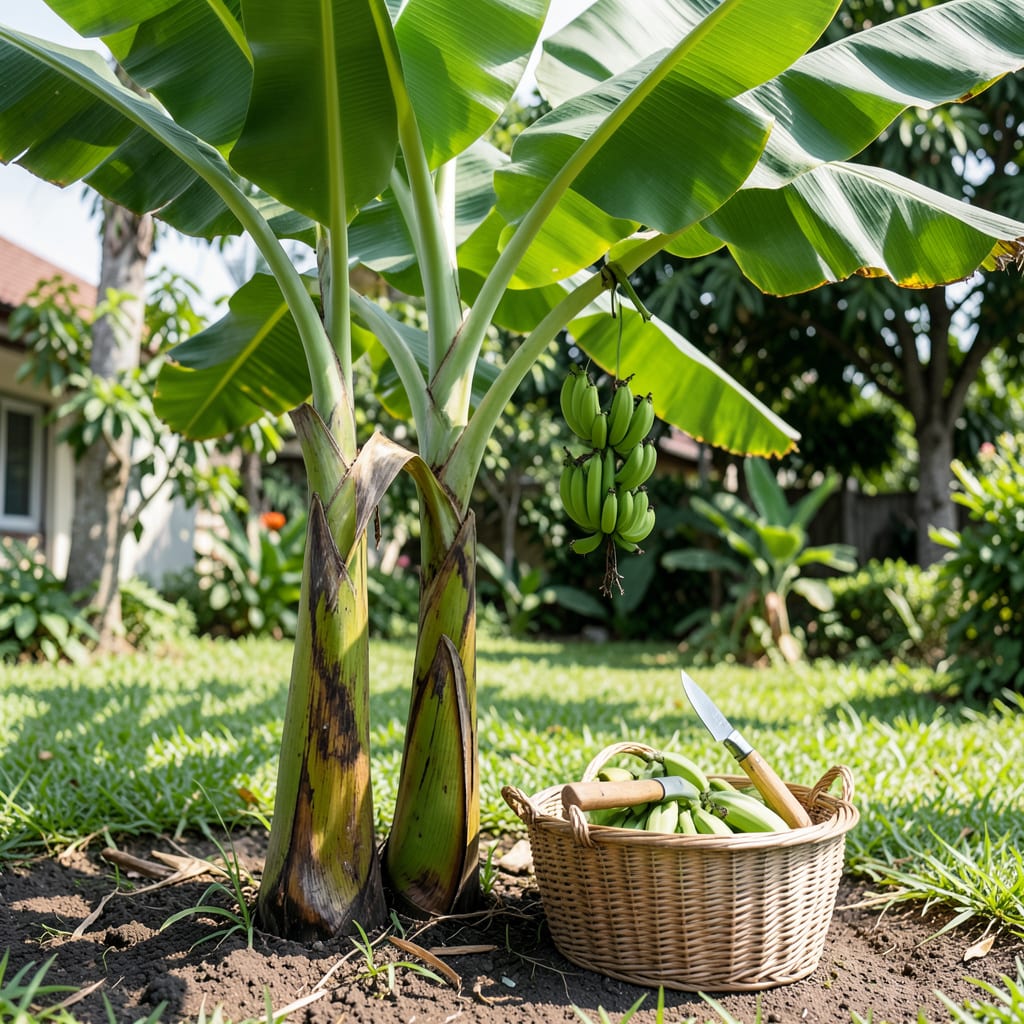
Knowing exactly when to pick bananas from your 🍌 Banana Tree can mean the difference between starchy disappointment and perfect sweetness. Florida’s climate offers unique advantages for year-round growth.
I’ll show you the subtle signs to watch for and seasonal factors that ensure your harvest is always at its peak. Timing is everything when it comes to these tropical fruits.


Harvesting at the perfect moment ensures the sweetest, most flavorful bananas from your Florida tree. The key is watching for visual and physical cues that signal ripeness.
In Florida’s warm climate, bananas often ripen year-round, but peak season is late spring to early fall. Timing varies slightly by variety and microclimate. 🌿
| Sign | Description |
| Color Change | Deep green to light yellow |
| Plumpness | Full and rounded shape |
| Flower End | Dry and withered tips |
| Sweet Aroma | Faint sweet smell present |
The first sign I look for is the color transition. As bananas mature, they shift from a deep green to a lighter, almost yellowish-green hue. This change is most noticeable on the outer peel.
Next, check the shape and fullness. Immature bananas appear angular and flat. When they’re ready, they become plump and rounded, filling out completely.
The flower end (the tip of each banana) is another telltale sign. Early on, it’s fresh and moist. As harvest time nears, it dries out and shrivels, indicating maturity.
Don’t overlook the sweet aroma. Ripe bananas emit a subtle, pleasant scent. If you don’t smell anything, they’re likely not ready yet. This is especially true for varieties like Dwarf Cavendish.
In South Florida, bananas may ripen faster due to the consistent warmth. In North Florida, cooler temperatures can slow the process, so adjust your expectations accordingly. ☀️
I always recommend harvesting bananas when they’re slightly green but showing the first signs of ripening. They’ll continue to mature indoors, which helps prevent bird damage or overripening on the tree.
Finally, pay attention to the stalk. If it starts to bend or droop under the weight of the bunch, that’s a clear sign the bananas are heavy with maturity and ready to be picked. ✂️
Florida’s diverse microclimates mean harvest times vary across the state. In South Florida, bananas ripen year-round, while North Florida sees a shorter window due to cooler winters. 🌿
Each banana variety has its own timeline. Dwarf Cavendish typically matures in 90-120 days after flowering, while Plantains may take 150-180 days. Timing depends on warmth and care.
| Variety | Harvest Window | Key Trait |
| Dwarf Cavendish | Late Spring-Summer | Sweet flavor |
| Ice Cream | Early Summer | Creamy texture |
| Plantain | Fall-Early Winter | Starchy when green |
In Central Florida, the peak harvest is June to September, thanks to consistent heat. I’ve noticed Ice Cream bananas thrive here, often ready by early July if planted in spring.
For North Florida, the window tightens to July-August. Cooler nights slow ripening, so I start checking for signs earlier. Plantains do well here, as they tolerate slightly cooler temps better than sweeter types.
Watch for local weather patterns. A late frost can delay flowering, pushing harvests back. Conversely, a hot, dry spell speeds up ripening, so check daily during these periods. ☀️
I always mark my calendar when I see the first flower. From there, I count 80-100 days for Dwarf Cavendish and adjust for other varieties. This simple trick keeps my harvests on track.
Timing your banana harvest wrong can ruin months of growth. I’ve seen many gardeners rush the process or wait too long, leading to underripe or overripe fruit. 🌿
Picking too early results in starchy bananas that never sweeten properly. Waiting too long risks splitting peels or attracting pests like squirrels and birds.
Warning: Avoid harvesting during rainy weather—wet bananas bruise easily. Also, never pull the bunch; always use a sharp knife to cut the stalk cleanly.
Another common mistake is mishandling the bunch. Bananas bruise easily, so I always support the stalk with one hand while cutting with the other. This prevents damage to the fruit.
Don’t harvest all at once if your tree has multiple bunches. Check each hand of bananas individually. Some may be ready while others need more time on the tree. ✂️
I also recommend harvesting in the early morning. The fruit is firmer, and cooler temperatures reduce stress on the tree. This small step makes a big difference in quality.
Finally, avoid harvesting if the flower end is still green. This means the bananas aren’t mature enough. Wait until it’s dry and withered for the best flavor. ☀️
Look for light green to yellow color and plump, rounded fruit. The flower end should be dry and withered, and a faint sweet aroma signals readiness.
Yes! Pick when slightly green but showing early ripening signs. They’ll continue maturing indoors, avoiding bird damage or overripening on the tree.
Early morning is ideal. The fruit is firmer, and cooler temps reduce tree stress. Always use a sharp knife to cut the stalk cleanly.
In South Florida, bananas may ripen year-round. Central Florida peaks June-September, while North Florida sees a tighter July-August window.
