
Beautiful Plants For Your Interior
Beautiful Plants For Your Interior
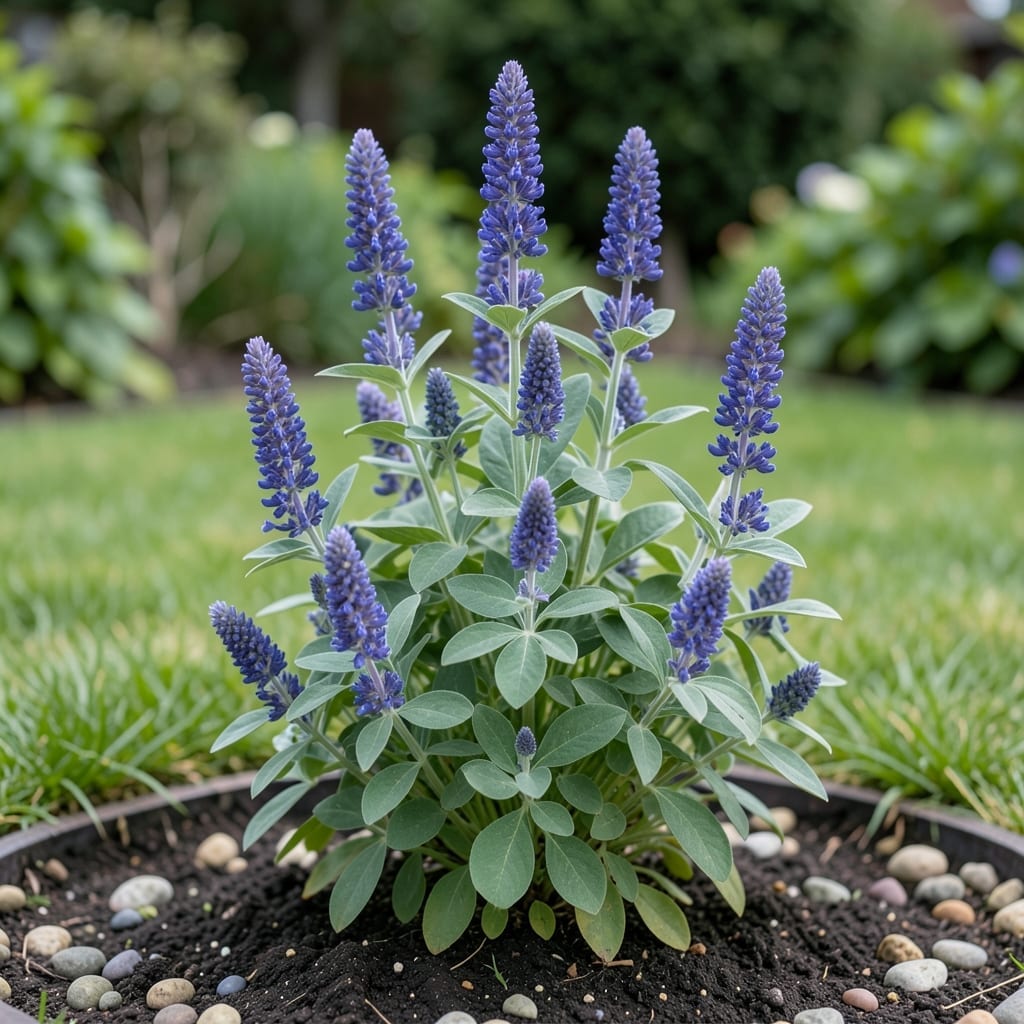
False indigo 🌸 is a stunning perennial that often surprises gardeners with its impressive presence. This hardy plant can transform your landscape with its upright growth and vibrant blooms.
What starts as a modest shrub can reach 3 to 5 feet tall at maturity, with a similar spread. That’s taller than many fence lines, making it a standout feature in any garden.
Understanding its growth habits is crucial for proper placement and care. Whether you’re designing a new bed or refreshing an existing one, knowing how big False Indigo gets helps you plan with confidence.
I’ll share the exact dimensions you can expect and how to manage its size for the best results. Let’s get started.

When I first planted false indigo in my garden, I was amazed by how quickly it grew. This hardy perennial typically reaches a mature height of 3 to 5 feet, with a spread of 3 to 4 feet. Its upright growth habit makes it a striking addition to any landscape. 🌸
The Baptisia australis variety, my personal favorite, often hits the upper end of that range. Meanwhile, dwarf cultivars like ‘Blue Mound’ stay more compact at 2 to 3 feet tall. These size differences are crucial for planning your garden layout. 🌿
| Growth Stage | Height | Spread |
| Year 1 | 1-2 ft | 1-2 ft |
| Year 2 | 2-3 ft | 2-3 ft |
| Mature | 3-5 ft | 3-4 ft |
| Dwarf Varieties | 2-3 ft | 2-3 ft |
The growth rate of false indigo is moderate to fast once established. In my experience, it takes about 2-3 years to reach its full size. The deep root system helps it withstand drought conditions, which is a huge plus for busy gardeners. ☀️
Environmental factors play a big role in its final dimensions. Full sun exposure (6+ hours daily) and well-draining soil encourage the most robust growth. I’ve noticed that plants in partial shade tend to be slightly smaller and may produce fewer blooms.
For those in USDA zones 4-9, false indigo is a reliable choice. In my zone 6 garden, it thrives with minimal care. The clump-forming nature means it won’t spread aggressively, but it will slowly expand over time. This makes it ideal for border plantings or as a focal point in your garden design.
One thing I love about false indigo is its long bloom season. The spiky blue flowers appear in late spring and can last for 4-6 weeks. After blooming, the plant produces decorative seed pods that add interest well into fall. This extended visual appeal makes it a garden staple for me. 🌱
If you’re planning to add false indigo to your garden, I recommend spacing plants 3-4 feet apart. This gives them enough room to grow without crowding. For dwarf varieties, 2-3 feet spacing works well. Proper spacing ensures good air circulation, which helps prevent fungal diseases.
In my own garden, I’ve paired false indigo with coneflowers and black-eyed Susans for a stunning summer display. The vertical accent it provides complements the shorter, bushier plants beautifully. Plus, its drought tolerance means it pairs well with other low-maintenance perennials.
Remember that while false indigo is low-maintenance, it does benefit from occasional pruning. I trim mine back by about one-third in early spring to encourage bushier growth and more flowers. This simple step helps maintain its size and shape in my garden beds. ✂️
Managing False Indigo size starts with smart planting. I always space my Baptisia plants about 2-3 feet apart to prevent overcrowding as they mature. This gives them room to spread naturally without competing for resources.
Proper pruning techniques can also help control its height and shape. I recommend cutting back one-third of the stems in early spring to encourage bushier growth and maintain a tidy appearance.
Companion planting is another great strategy. I pair my False Indigo with lower-growing perennials like catmint or salvia to create a layered look that hides any bare stems at the base.
For taller varieties, staking may be necessary in windy locations. I use bamboo stakes or plant supports to keep stems upright, especially when they’re heavy with blooms.
Regular division every 3-4 years keeps the plant vigorous and prevents it from becoming too large for its space. This also gives you more plants to share with gardening friends!
Remember, False Indigo is generally low-maintenance, but these simple steps will help you keep it looking its best while maintaining the perfect size for your garden design. ✂️