
Beautiful Plants For Your Interior
Beautiful Plants For Your Interior
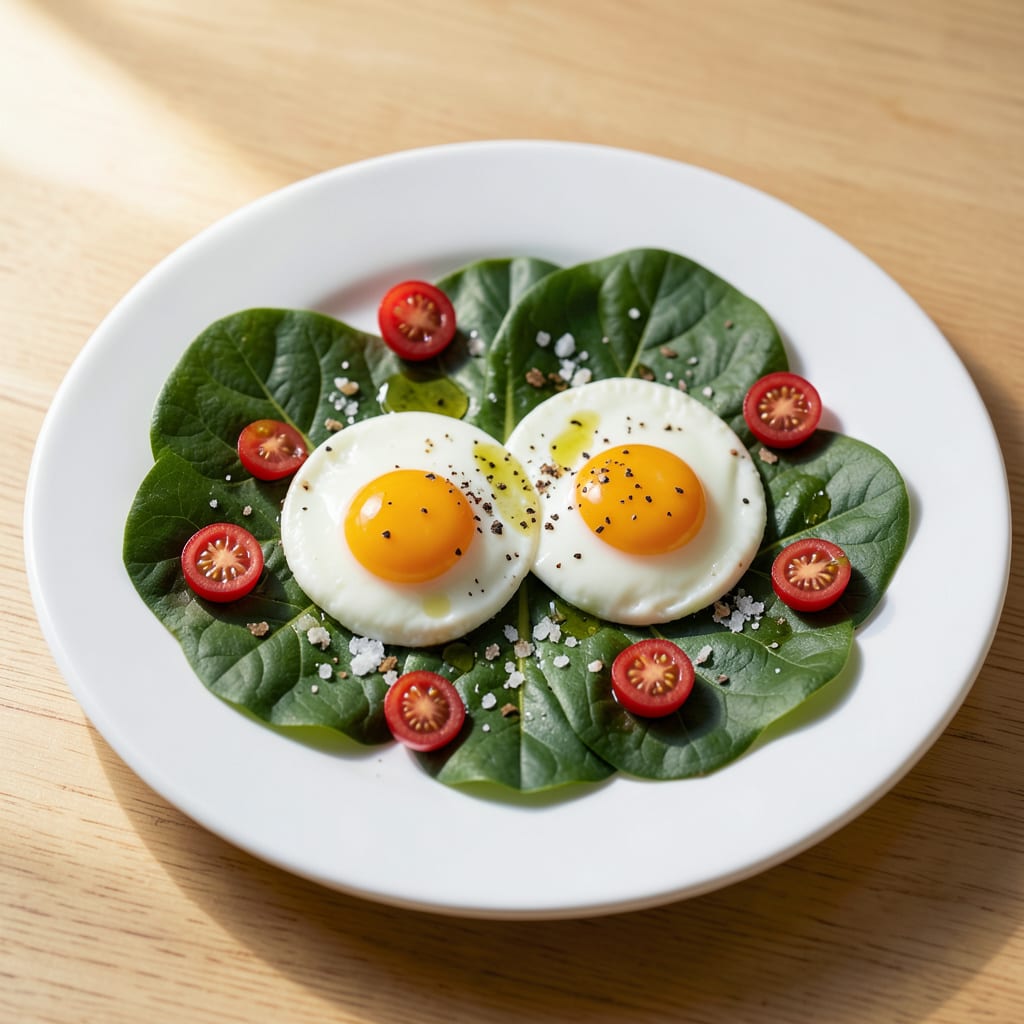
Spotted yellow clusters on your pumpkin leaves aren’t a new breakfast trend. These are squash bug eggs, and they’ll hatch into plant-damaging nymphs within 7-10 days if left unchecked.
I first noticed them during a routine garden walk—tiny bronze dots that looked harmless. Now I know they’re a red flag for infestation. The bugs pierce vines to feed, causing wilting and stunted growth before you even see the damage.
Early removal is your best defense. Check undersides of leaves daily, especially in mid-morning when eggs are easiest to spot. A simple scrape into soapy water eliminates them before they hatch.
Prevention is simpler than treatment. Rotate crops yearly and clear garden debris in fall to disrupt their lifecycle. Your pumpkins will thank you with healthier vines and a stronger harvest.
Understanding why eggs bond so well with pumpkin leaves comes down to science and tradition. Here’s what makes this combo a match made in culinary heaven:
Pumpkin leaves (or ugu) contain a sturdy fiber structure that softens under heat but doesn’t disintegration easily. Their high water content and cellular resilience allow them to wrap or hold eggs without falling apart, unlike more delicate greens like spinach. This makes them ideal for steaming, boiling, or frying with eggs.
Eggs are packed with proteins like ovalbumin and ovotransferrin, which coagulate when heated. When cooked with pumpkin leaves, these proteins interlock with the leaf’s surface, creating a natural adhesion. This is why the eggs cling so well to the leaves rather than sliding off.
Pumpkin leaves have a mild, earthy bitterness that balances the richness of eggs. Their subtle nutty undertones complement the sulfurous notes of cooked eggs, enhancing the overall taste. This harmony is a cornerstone of West African cuisine, where ugu is a staple in egg-based dishes.
If you’re making eggs on pumpkin leaves and running into trouble, don’t worry—here’s how to troubleshoot and prevent common problems with simple fixes.
Use a non-stick pan or a well-seasoned cast-iron skillet, and heat it over medium heat (not high). Add a little oil or butter before pouring in the eggs. Prevention tip: Always preheat the pan properly before adding ingredients.
Bitterness often comes from overcooked or mature leaves. Choose young, tender pumpkin leaves and blanch them in boiling water for 1–2 minutes before cooking. Prevention tip: Harvest leaves early in the season for the mildest flavor.
Cook eggs on low to medium heat and cover the pan for the last minute to trap steam. This keeps them moist. Prevention tip: Remove from heat just before they’re fully set—they’ll finish cooking off the stove.
Boost flavor with fresh ingredients: sauté onions, garlic, and Scotch bonnet peppers before adding the leaves. Finish with a pinch of crayfish powder or dried shrimp for depth. Prevention tip: Taste as you go and adjust seasoning gradually.
With these tweaks, your dish will turn out perfectly every time! 💡
Fresh chicken eggs are ideal for their rich flavor and binding properties. Duck eggs can also work due to their higher fat content, creating a creamier texture. Avoid very old eggs as they may not set properly.
Yes, but thaw and blanch them first to restore texture. Frozen leaves may be slightly softer, so reduce cooking time by 1-2 minutes. Always pat dry before cooking to prevent excess moisture.
Sauté leaves briefly before adding eggs to evaporate excess water. Cook on medium heat and avoid overcrowding the pan. This ensures crisp edges and a firm texture.
