
Beautiful Plants For Your Interior
Beautiful Plants For Your Interior
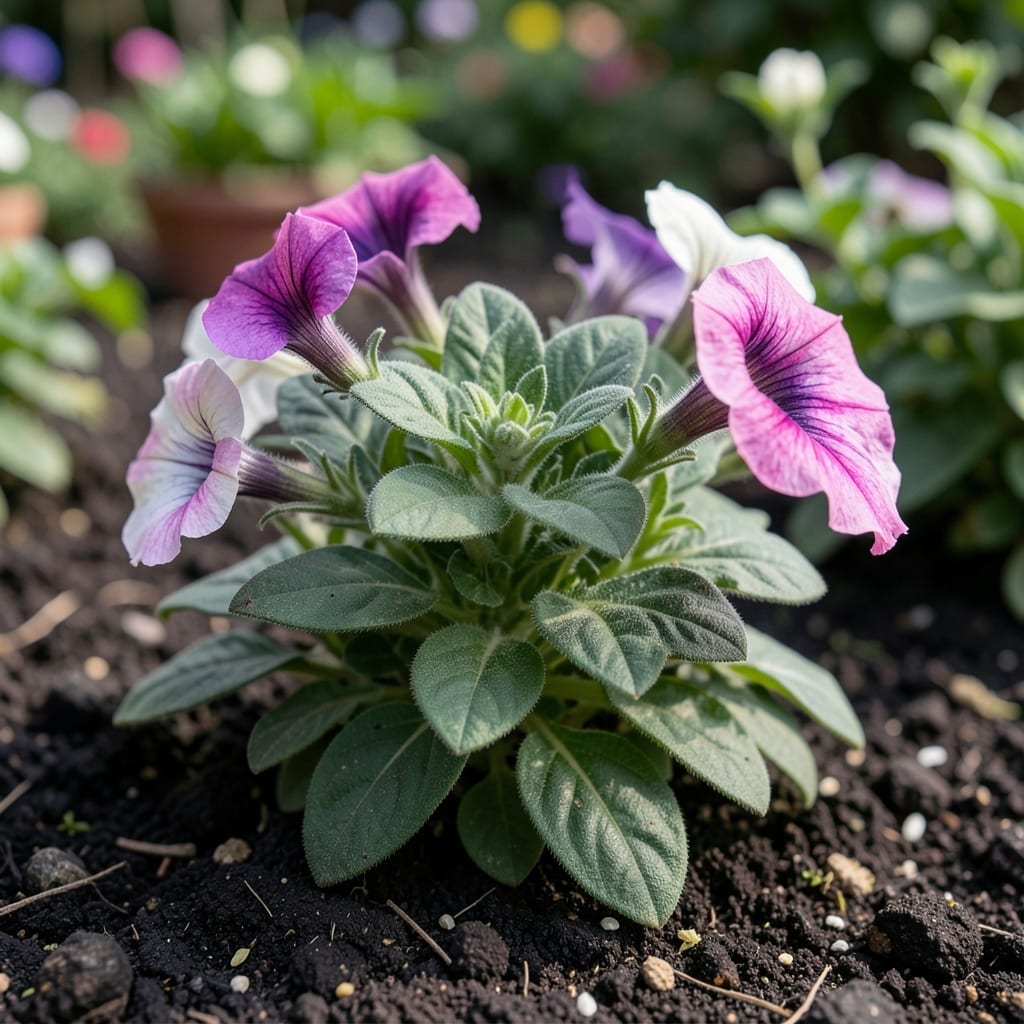
Petunias are garden favorites for their vibrant, long-lasting blooms, but their performance hinges on one critical factor: sunlight. Get the light conditions wrong, and you’ll end up with leggy, sparse 🌸 Petunia flowers instead of a lush display.
I’ve seen firsthand how the right amount of sun transforms these plants. Whether you’re a beginner or seasoned gardener, understanding their light needs is the key to success.
Discover exactly how much sunlight your petunias need to thrive and bloom beautifully all season long. Let’s dig in.

If you want your petunias to thrive, sunlight is non-negotiable. These vibrant bloomers are sun-worshippers, requiring a minimum of 6 hours of direct light daily for the best results.
In my experience, full sun (8+ hours) produces the most abundant, vivid flowers. However, they can tolerate partial shade in hotter climates, especially during peak afternoon heat.
☀️ Petunia Sunlight Requirements
| Requirement | Specification |
|---|---|
| Ideal Sunlight | Full sun (6+ hours) |
| Minimum Sunlight | 4-6 hours (partial sun) |
| Tolerance | Afternoon shade in hot areas |
| Best Direction | South-facing exposure |
For grandiflora petunias, which have the largest blooms, aim for full sun. Their big flowers demand more energy, which sunlight provides through photosynthesis.
Multiflora petunias, with smaller but more numerous blooms, can handle slightly less sun. I’ve found they still perform well with 6 hours of morning and early afternoon sun.
If you’re growing petunias in containers, ensure they’re placed where they’ll get consistent light. Balconies or patios with western exposure often work beautifully.
In extremely hot climates, a bit of afternoon shade can prevent scorching. I’ve seen petunias wilt under intense midday sun, but they bounce back quickly with a little shade.
Remember, light intensity matters as much as duration. Bright, direct light is better than dim, filtered light for the same number of hours.
For the best blooms, pair your sunlight with well-draining soil and regular watering. Petunias in optimal light conditions will reward you with continuous flowers all season long.☀️
If your petunias aren’t blooming as expected, check their light exposure first. More often than not, insufficient sunlight is the culprit behind poor performance.
With the right balance, you’ll enjoy a colorful display that lasts from spring until frost.🌸
When petunias lack adequate light, they send clear distress signals. The first thing I notice is reduced flowering, as the plant conserves energy instead of producing blooms.
Leggy stems and widely spaced leaves are another red flag. Your petunias stretch toward the light, resulting in weak, sparse growth rather than a bushy, compact habit.
⚠️ Light Deficiency Alert
Watch for pale leaves, fewer blooms, and elongated stems. These are classic signs your petunias need more sunlight to thrive.
Pale or yellowing leaves often appear when petunias struggle with insufficient light. The plant can’t produce enough chlorophyll, leading to a washed-out appearance.
If your petunias are leaning toward the light source, that’s a sure sign they’re not getting enough. I’ve seen this happen with indoor petunias near a north-facing window.
Another symptom is smaller blooms that open less frequently. The flowers may also fade faster, losing their vibrant color more quickly than usual.
To fix this, gradually move your petunias to a sunnier spot. If they’ve been in deep shade, a sudden shift to full sun can shock them. I recommend a transition period of a few days.
With the right light, your petunias will bounce back, producing abundant, colorful blooms that last all season.☀️