
Beautiful Plants For Your Interior
Beautiful Plants For Your Interior
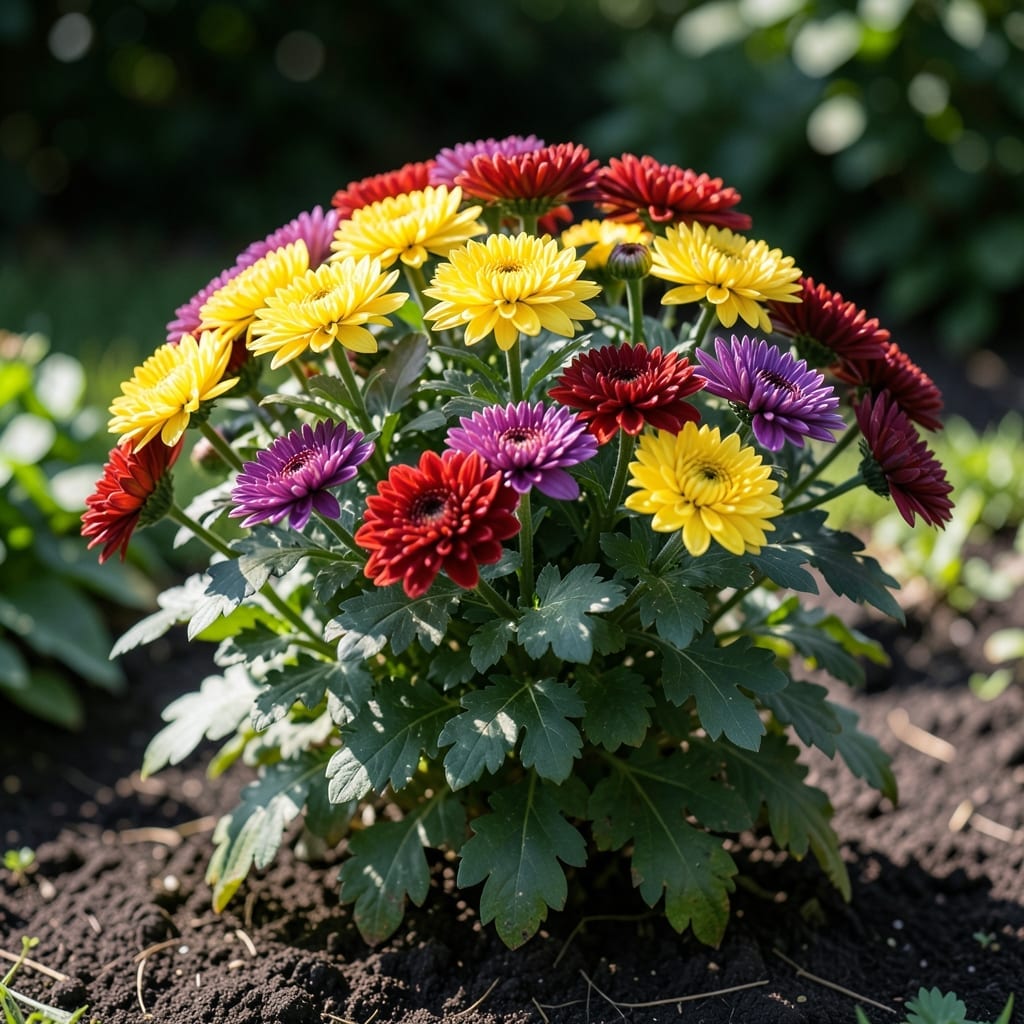
I’ve seen too many gardeners struggle with wilted Chrysanthemums 🌼 because they assumed these hardy plants could handle any light condition. The truth? Their blooms tell a different story.
Getting the sunlight right can mean the difference between lackluster growth and a vibrant fall display. It’s the key to unlocking their full potential in zones 5-9.
Discover how to balance light exposure for healthier, more colorful mums that thrive when it matters most.

I’ve learned that Chrysanthemums aren’t just tough—they’re sunlight lovers. For the best fall blooms, they crave 6+ hours of direct light daily. Anything less, and you’ll see weaker stems and fewer flowers. ☀️
In my experience, full sun means vibrant, long-lasting color. Partial shade works, but expect smaller blooms and a later flower show. It’s all about balancing their needs with your garden’s conditions.
| Requirement | Specification |
|---|---|
| Ideal Sunlight | 6+ hours daily |
| Minimum Light | 4-6 hours |
| Light Type | Direct sunlight |
| Shade Tolerance | Partial shade (with fewer blooms) |
| Best Direction | South-facing |
If your mums aren’t blooming well, check their light exposure first. I’ve seen south-facing spots work wonders, especially in zones 5-9. North-facing areas? They’ll survive but won’t thrive. 🌼
Morning sun is ideal because it’s less harsh than afternoon rays. In hot climates, a bit of afternoon shade can prevent heat stress. Watch for wilting—it’s a sign they’re getting too much or too little.
For container mums, I recommend moving pots to follow the sun. Rotate them weekly for even growth. In the ground? Space plants 18-24 inches apart to ensure good air circulation and light penetration.
Too much shade leads to leggy growth and weak stems. Too much sun in extreme heat can scorch leaves. The sweet spot is 6-8 hours of sunlight for most varieties.
Early fall is prime time for mums, and sunlight is their fuel. If you’re planting in spring, choose a spot that gets full sun by summer. This gives them time to establish before their fall bloom.
Remember, hardy mums can handle a bit more shade than florist mums. But both will reward you with better blooms in sunnier spots. It’s worth the effort to find that perfect location. 🌱
Finally, if you’re growing mums indoors, place them near a south-facing window. Even then, they’ll need supplemental light to match outdoor conditions. It’s a small investment for stunning autumn color.
Finding the perfect spot for mums starts with tracking your garden’s sunlight patterns. I always recommend south-facing areas first—they get the most consistent light for these sun-loving plants. ☀️
For container mums, I place pots on sunny patios or balconies. This lets me move them as the sun shifts, ensuring they get those 6+ hours of direct light daily.
In hot climates, I’ve found that afternoon shade prevents heat stress. A light shade cloth can help during peak summer months without sacrificing blooms. 🌿
For in-ground planting, I space mums 18-24 inches apart. This ensures good air circulation and prevents overcrowding, which can block light.
Companion plants matter too. I pair mums with low-growing sedum or ornamental grasses—they won’t compete for sunlight but will enhance your garden’s fall display.
Finally, if your garden has limited sun, choose hardy mum varieties. They tolerate partial shade better than florist mums, though blooms may be smaller. It’s a worthwhile trade-off for shadier yards. 🌼