
Beautiful Plants For Your Interior
Beautiful Plants For Your Interior
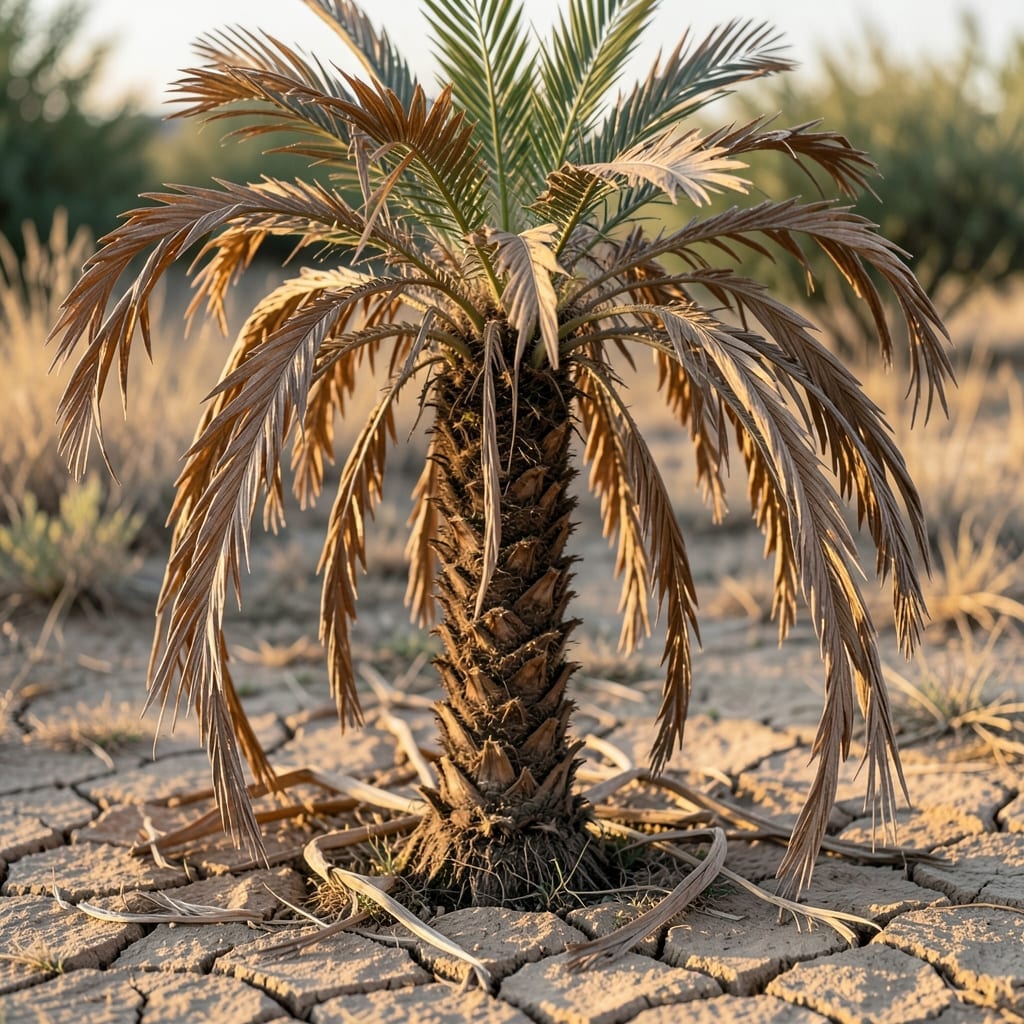
That sinking feeling when your pygmy date palm’s fronds turn brown is all too familiar to me. I’ve lost count of how many I’ve revived after spotting the early warning signs too late.
Most cases trace back to overwatering, poor drainage, or sudden temperature swings—problems that start small but spiral fast. The good news? Even a plant that looks gone often has life left in its roots.
With the right adjustments to watering, light, and soil, I’ve seen palms bounce back within 4-6 weeks. The key is acting before the trunk softens or the heart rots.
Whether it’s a container plant or a landscape centerpiece, the revival process is simpler than you’d think. Here’s how to assess and fix what’s wrong.
A dying pygmy date palm (Phoenix roebelenii) rarely succumbs to a single issue—it’s usually a cascade of stress factors. Below are the most frequent culprits, explained in practical terms so you can pinpoint what went wrong and prevent a repeat performance.
The number-one killer. Pygmy date palms hate soggy roots. When soil stays waterlogged, oxygen is squeezed out, roots rot, and the plant can’t absorb nutrients. Signs: yellowing fronds (starting with the oldest), foul-smelling soil, and a wobbly trunk. Action: Check drainage holes, switch to a fast-draining cactus/succulent mix, and water only when the top 2–3 inches of soil are dry.
These palms thrive in bright, indirect light. Too little light leads to weak, leggy growth and pale, thin fronds. Signs: new growth is sparse, elongated, or bleached. Action: Move the plant to a south- or west-facing window, or supplement with a grow light for 10–12 hours daily.
Pygmy date palms prefer a steady 65–85 °F. Drafts, cold snaps below 50 °F, or heat above 90 °F stress the plant. Signs: brown leaf tips, sudden frond drop, or blackened spears. Action: Keep indoors away from AC vents, heaters, and cold windows. Outdoors, provide shade cloth in summer and move pots inside before frost.
Spider mites, scale, and mealybugs sap vitality by feeding on sap. Signs: webbing, sticky residue (honeydew), or white cottony clusters. Action: Isolate the plant, wipe leaves with insecticidal soap, and treat with neem oil weekly until pests are gone.
Nitrogen, magnesium, or potassium shortages cause fronds to yellow or develop brown streaks. Action: Use a balanced palm fertilizer (e.g., 8-2-12) with micronutrients every 2–3 months during growing season. Avoid over-fertilizing—flush soil with water monthly to prevent salt buildup.
If your pygmy date palm is struggling, don’t lose hope—many issues can be fixed with the right care. Below are targeted solutions for common problems, along with prevention tips to keep your plant thriving.
Fix: Trim the yellow fronds with clean, sharp shears to redirect energy to healthy growth. Check the soil moisture—overwatering is a common culprit. Let the top 1-2 inches of soil dry out before watering again.
Prevention: Use well-draining soil and a pot with drainage holes. Water only when necessary, and avoid letting the plant sit in soggy conditions.
Fix: Wipe down the leaves with a damp cloth to remove spider mites or mealybugs. For stubborn pests, apply neem oil or insecticidal soap, following the product instructions carefully.
Prevention: Inspect your plant regularly, especially the undersides of leaves. Keep the area clean and avoid overcrowding plants, which can attract pests.
Fix: This often signals low humidity or underwatering. Mist the leaves lightly or place a tray of water near the plant to increase humidity. Water thoroughly when the soil feels dry.
Prevention: Maintain consistent moisture levels and consider using a humidifier in dry indoor environments. Grouping plants together can also help raise humidity.
Fix: Remove the plant from its pot and inspect the roots. Trim away any black, mushy roots with sterilized scissors. Repot in fresh, well-draining soil and reduce watering until the plant recovers.
Prevention: Ensure your pot has drainage holes and avoid overwatering. Use a soil mix designed for palms to improve drainage.
With a little attention and these simple fixes, your pygmy date palm can bounce back to its lush, vibrant self. 💡 Pro tip: Always sterilize your tools before pruning to prevent spreading disease!
Water when the top 2-3 inches of soil feel dry. Typically, this means every 7-10 days in summer and less in winter. Always check soil moisture first to avoid overwatering.
No, once fronds turn brown, they won’t recover. Trim them off to help the plant focus energy on healthy growth. Prevent future browning by maintaining proper light and humidity.
Use a fast-draining mix like cactus or palm soil. You can also create your own by combining 1 part perlite with 2 parts potting soil. This prevents waterlogging and root rot.
Brown tips usually indicate low humidity or underwatering. Increase humidity with a pebble tray or humidifier, and ensure consistent watering without letting the soil dry out completely.