
Beautiful Plants For Your Interior
Beautiful Plants For Your Interior
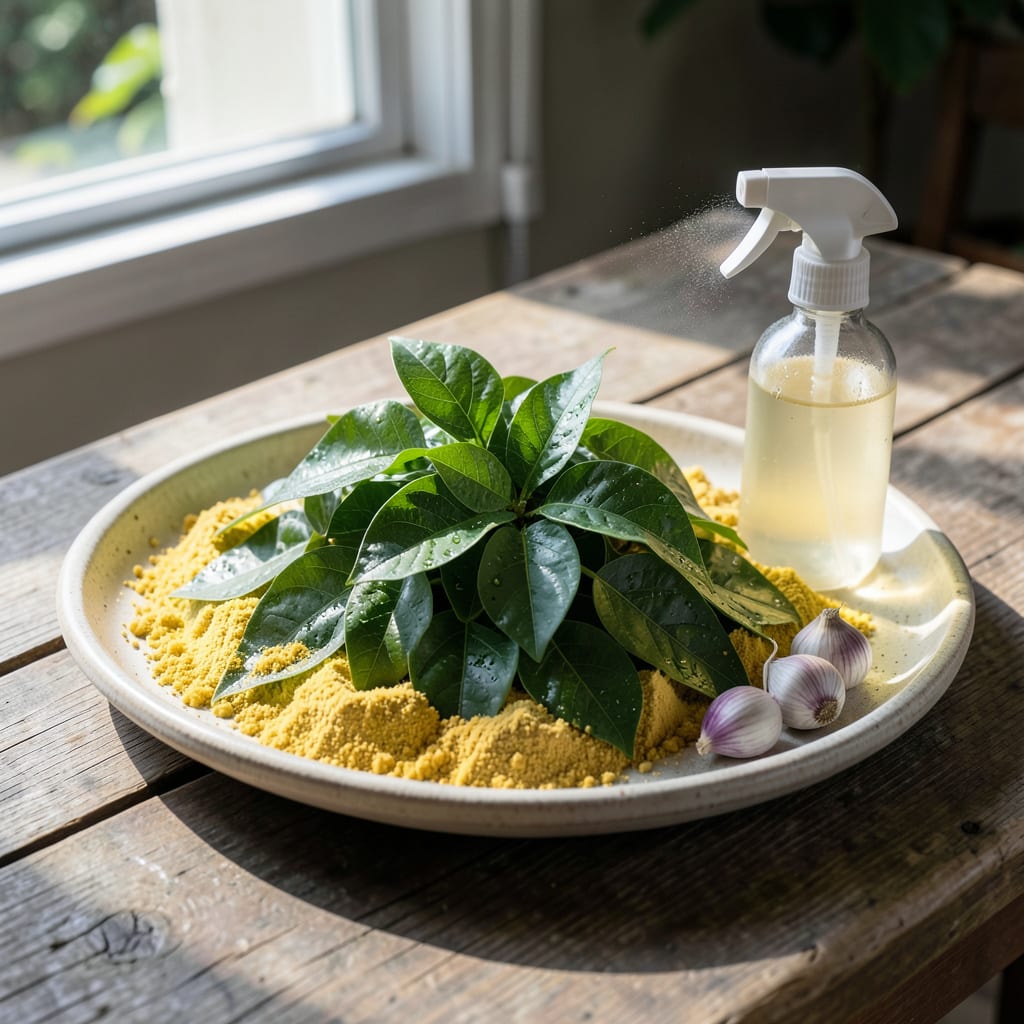
That white dust on your leaves isn’t flour—it’s trouble. I’ve watched powdery mildew spread across zucchini, roses, and phlox overnight, turning healthy plants into sad, stunted versions of themselves.
Here’s the thing—this fungus thrives in dry leaves but humid air, so crowded plants or poor airflow practically roll out the welcome mat. My first outbreak took out half my garden before I learned the simple fixes.
You can stop it fast with a DIY baking soda spray or neem oil, but prevention is easier than cure. Space plants properly, water at soil level, and clean up fallen leaves religiously.
Works for vegetables, flowers, and shrubs. No harsh chemicals needed.
Powdery mildew thrives when conditions favor its growth. Understanding the root causes helps you tackle it effectively. Below are the primary triggers for this common plant disease.
This fungal disease flourishes in humid environments (60-80% relative humidity) with stagnant air. When moisture lingers on leaves—especially in crowded plantings or greenhouses—spores germinate rapidly. Ensure proper spacing and ventilation to disrupt this cycle.
Watering from above wets foliage, creating a damp surface ideal for spores to settle. Powdery mildew (e.g., Erysiphe or Podosphaera species) doesn’t need free water to infect but thrives when leaves stay moist. Water at the base early in the day to allow foliage to dry quickly.
Temperature fluctuations (70-80°F days / 50-60°F nights) accelerate spore production. This diurnal shift stresses plants, weakening their defenses. Shade-cloth or row covers can moderate temperature swings in vulnerable gardens.
Some plants are genetically prone to infection, like roses, cucumbers, squash, and phlox. Check for resistant cultivars (e.g., powdery mildew-resistant zucchini) when planting. Monocultures (growing one species densely) also increase risk.
Excess nitrogen promotes lush, soft growth—perfect for powdery mildew. Balance fertilization with potassium and phosphorus to strengthen cell walls. Avoid late-season high-nitrogen feeds.
Powdery mildew can be stubborn, but these targeted solutions will help you treat and prevent it effectively. Address the root cause first, then apply the fix for the best results.
Stagnant air encourages fungal growth. Space plants apart to allow airflow, and prune dense foliage to open the canopy. For indoor plants, use a small fan on low to keep air moving. Outdoors, avoid overcrowding in garden beds.
Water plants at the base early in the day so foliage dries quickly. Use drip irrigation or a soaker hose to keep leaves dry. If humidity is high, water less frequently and ensure pots have drainage holes to prevent soggy soil.
Prune and dispose of heavily infected leaves (do not compost). For mild cases, spray leaves with a homemade solution:
Always test sprays on a small area first to avoid leaf burn.
Healthy plants fend off disease better. Strengthen them with:
💡 Prevention Tips: Rotate crops annually, avoid overhead watering, and choose mildew-resistant plant varieties when possible. Regularly clean garden tools to prevent spreading spores.
Apply the baking soda mixture weekly to prevent spread. For active infections, use every 5-7 days until symptoms disappear. Always spray in the morning for best results.
Yes, a mix of 1 tablespoon vinegar per gallon of water can help. Test on a small area first, as vinegar may burn sensitive plants. Avoid using on hot, sunny days.
It can return if conditions remain favorable. Improve airflow, reduce humidity, and maintain preventive sprays. Remove fallen leaves to eliminate hiding spores.
Yes! Varieties like powdery mildew-resistant zucchini or roses bred for disease resistance hold up better. Check plant tags for resistance claims when shopping.
