
Beautiful Plants For Your Interior
Beautiful Plants For Your Interior
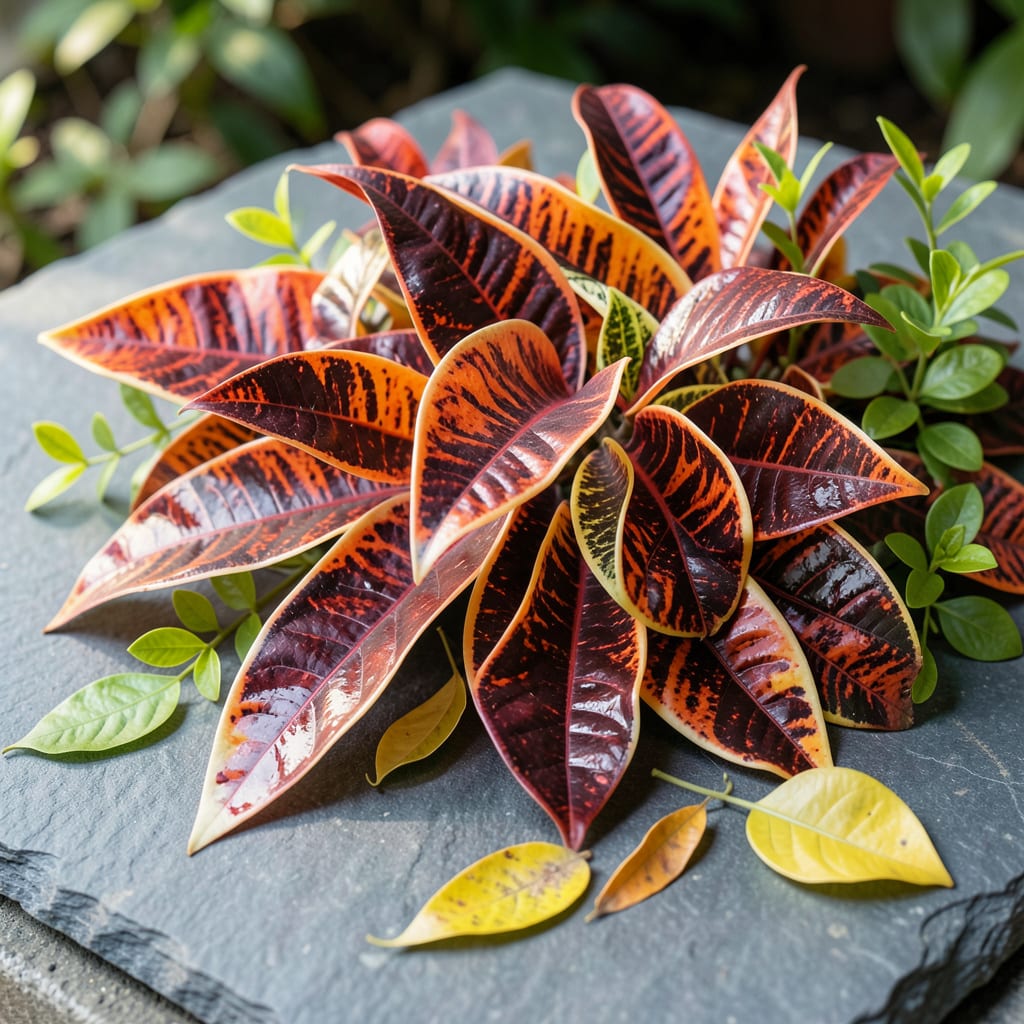
My Croton Petra went from vibrant to sad in 24 hours. Drooping leaves are your plant’s SOS signal—usually for water or humidity issues, but sometimes pests or root problems are to blame.
I’ve revived more than a dozen Crotons by catching the early signs: yellowing edges, crispy tips, or soil that’s either bone-dry or soggy. The fix often starts with checking the basics first.
With the right adjustments, you’ll see leaves perking up within a day or two. The key is acting fast before the droop turns into leaf drop.
This works for any Croton Petra, whether it’s new to your collection or a long-time favorite. Here’s how to diagnose and fix it.
Croton Petra leaves droop when environmental stress disrupts their cellular function or root health. Here are the most common causes:
Underwatering causes leaf turgor loss due to insufficient water pressure in plant cells. Without adequate moisture, the leaves lose rigidity and wilt. Conversely, overwatering suffocates the roots, preventing oxygen uptake and leading to root rot. Both conditions impair the plant’s ability to transport water and nutrients, resulting in drooping foliage.
Crotons thrive in temperatures between 60°F and 85°F (15°C–29°C). Exposure to cold drafts (below 50°F/10°C) or heat shocks disrupts enzyme activity and membrane stability in leaves, causing them to droop. Sudden temperature fluctuations can also trigger stress responses, weakening the plant’s structural integrity.
Native to tropical regions, Croton Petra requires 40–80% humidity to maintain healthy foliage. Dry air accelerates transpiration, leading to moisture loss faster than the roots can absorb water. This imbalance causes leaves to curl and droop as a survival mechanism to reduce surface area and conserve moisture.
Insufficient or excessive light can both lead to drooping. Low light weakens the plant, reducing photosynthesis and energy production for leaf support. Conversely, intense direct sunlight can scorch leaves, damaging their structure and causing wilting. Ideal conditions include bright, indirect light for 6–8 hours daily.
Pests like spider mites, mealybugs, or scale insects sap the plant’s fluids, weakening its vascular system. This stress leads to nutrient deficiencies and reduced water transport, manifesting as drooping leaves. Early pest detection and treatment are critical to preventing severe damage.
If your Croton Petra’s leaves are drooping, don’t panic—there’s almost always a way to bring it back to life. Below are targeted solutions for the most common causes, along with prevention tips to keep your plant thriving long-term.
If the soil is bone-dry, give your plant a deep watering until water runs out of the drainage holes. Place it in a sink or tray for 10–15 minutes to ensure the roots absorb enough moisture. Prevention tip: 💡 Stick your finger an inch into the soil—water when the top layer feels dry but not dusty.
Stop watering immediately and check the roots for rot (mushy, black roots). Trim any affected roots with clean scissors, repot in fresh, well-draining soil, and use a pot with drainage holes. Prevention tip: 🌱 Water only when the top 1–2 inches of soil are dry, and always empty the saucer after watering.
Crotons need bright, indirect light to maintain their vibrant leaves and upright posture. Move your plant to an east- or north-facing window, or a few feet away from a south- or west-facing one. Prevention tip: 🔆 Rotate the pot weekly to ensure even light exposure.
Keep your Croton Petra in a room with temperatures between 60–75°F (15–24°C). Avoid drafts from AC units, heaters, or open windows. If it’s been exposed to cold, move it to a warmer spot and mist the leaves to reduce stress. Prevention tip: 🌡️ Use a digital thermometer to monitor room temperature near the plant.
Check the undersides of leaves for spider mites, mealybugs, or scale. Wipe leaves with a damp cloth and treat with neem oil or insecticidal soap. Isolate the plant to prevent pests from spreading. Prevention tip: ✨ Inspect leaves weekly and keep humidity levels moderate to deter pests.
Water when the top 1-2 inches of soil feel dry. Typically every 5-7 days in summer, less in winter. Always check soil moisture first to avoid overwatering.
Yes! Crotons need 40-80% humidity. Dry air forces leaves to conserve water by drooping. Use a pebble tray or humidifier to help.
Check the soil first. If dry, give a thorough watering. If soggy, stop watering and move to bright, indirect light. Most plants perk up within 24 hours.
Spider mites, mealybugs, and scale suck sap from leaves, causing weakness. Inspect leaf undersides and treat with neem oil if found.
