
Beautiful Plants For Your Interior
Beautiful Plants For Your Interior
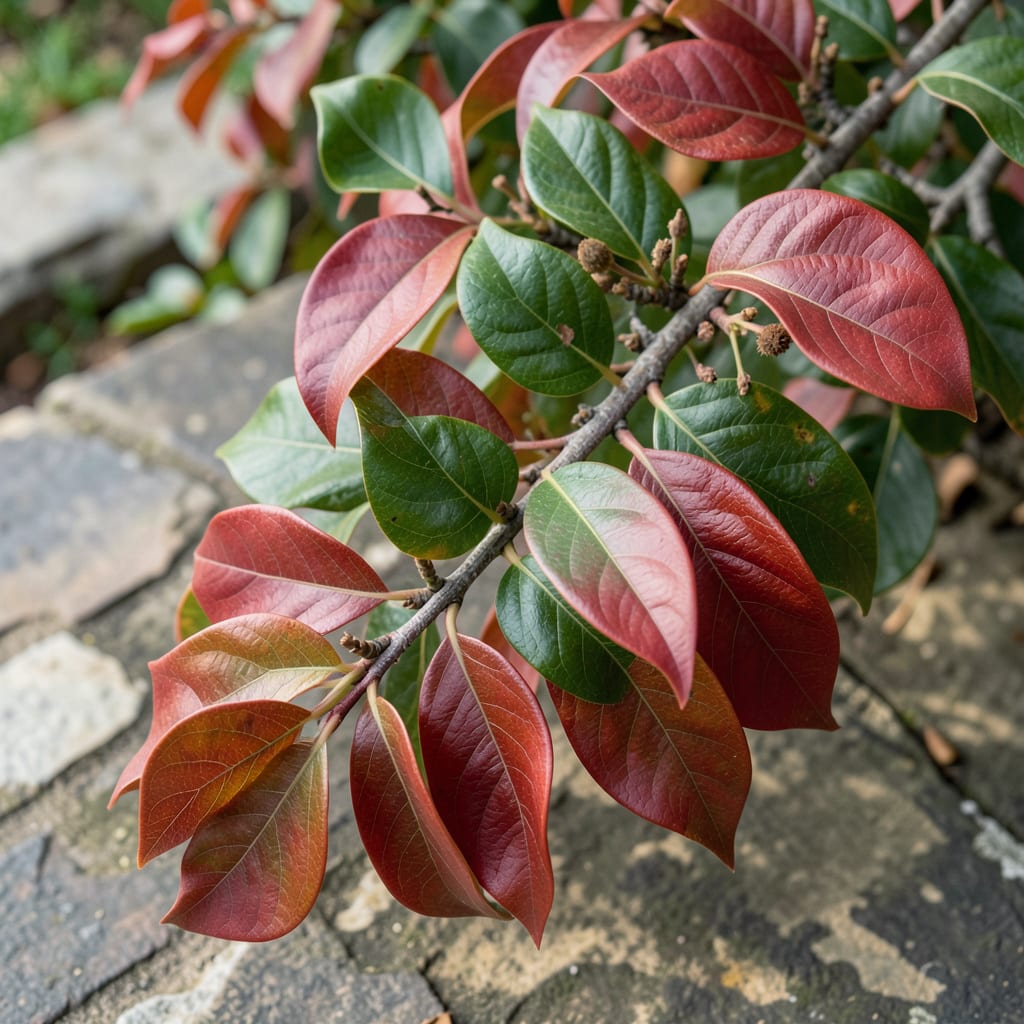
Red crape myrtle leaves had me worried at first. I thought my trees were sick until I learned it might just be fall arriving early.
Sometimes it’s seasonal color change, but other times it signals stress from drought, poor soil, or pests. The key is knowing which red is normal and which needs action.
I’ve seen both scenarios in my own yard. The good news? Most causes are fixable with simple adjustments to water, soil, or care routines.
You’ll spot the difference fast once you know what to look for. Here’s how to tell them apart.
Crape myrtle leaves turning red is a fascinating response to environmental and biological triggers. Here’s a breakdown of the most common causes:
Cool temperatures, especially in fall, trigger anthocyanin production—a red pigment that protects leaves from light damage when photosynthesis slows. If reddening occurs in spring or summer, it may signal heat stress or sudden temperature drops, disrupting normal chlorophyll function.
Both drought and overwatering can stress crape myrtles. Drought limits nutrient uptake, while soggy roots suffocate and rot, both prompting premature reddening as the plant conserves resources. Check soil moisture 2 inches deep—it should be slightly dry between waterings.
A lack of phosphorus or magnesium often causes red or purple hues in leaves, particularly in older foliage. Phosphorus deficiency may appear as dark red edges, while magnesium shortage creates interveinal reddening (red between veins). A balanced fertilizer (e.g., 10-10-10) can correct mild imbalances.
Diseases like powdery mildew or leaf spot stress the plant, sometimes leading to red or bronze discoloration. Look for white powdery coatings or dark spots alongside the red leaves. Improve air circulation and apply fungicide if needed.
In fall, crape myrtles naturally shed chlorophyll, revealing red, orange, or yellow pigments beneath. This is normal and harmless—no action is required unless the color change is paired with wilting or leaf drop outside of autumn.
If your crape myrtle leaves are turning red, the solution depends on the underlying cause. Here’s how to address each issue and restore your plant’s vibrant green foliage.
If the reddening is due to excessive heat or lack of water, deep watering is key. Soak the soil around the base of the plant 1–2 times per week during dry spells, especially in summer. Mulch with 2–3 inches of organic material (like wood chips) to retain moisture. Prevention tip: 💡 Water early in the morning to reduce evaporation and avoid wetting the leaves to prevent fungal issues.
If the color change is seasonal (fall), no action is needed—this is natural! However, if you prefer to delay the transition, ensure the plant receives balanced fertilization in early spring (use a 10-10-10 or slow-release formula). Avoid high-nitrogen fertilizers in late summer, as they can disrupt the plant’s natural cycle.
For leaf spots or powdery mildew causing red or purple hues, prune affected leaves and dispose of them (do not compost). Apply a fungicide (like copper-based or neem oil) every 7–10 days until the issue resolves. Improve air circulation by spacing plants properly. Prevention tip: ✨ Avoid overhead watering and keep the garden clean of debris.
If the red leaves are paired with stunted growth, a soil test can pinpoint deficiencies (commonly phosphorus or magnesium). Amend the soil with bone meal (for phosphorus) or Epsom salt (1 tablespoon per gallon of water for magnesium). Prevention tip: 🎯 Fertilize with a balanced, micronutrient-rich formula in spring.
Aphids or mites can stress the plant, leading to discoloration. Blast them off with a strong stream of water, or apply insecticidal soap or horticultural oil. For severe cases, use a systemic insecticide. Prevention tip: 🔥 Encourage beneficial insects like ladybugs with companion planting (e.g., marigolds).
Address the issue promptly, and your crape myrtle should bounce back to its lush, healthy self!
No, seasonal red leaves in fall are perfectly normal. It’s the plant’s natural response to cooler temperatures and shorter days.
Check the timing: fall reddening is expected. If it happens in spring or summer, look for drought, nutrient issues, or pests.
Address the root cause. For drought, deep water immediately. For nutrients, apply a balanced fertilizer.
Yes, if the stress is resolved early. New growth will return to green once conditions improve.
