
Beautiful Plants For Your Interior
Beautiful Plants For Your Interior
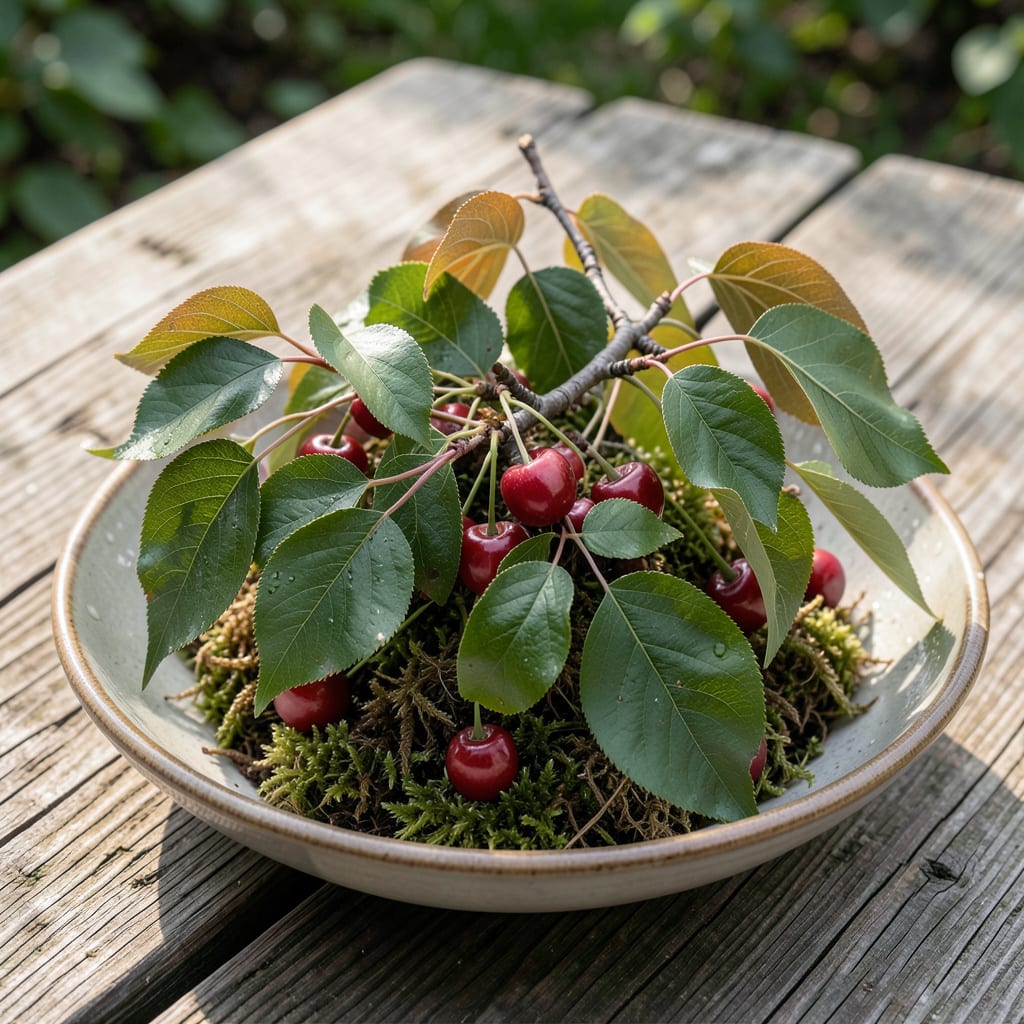
Nothing’s more disheartening than seeing your cherry tree’s leaves suddenly go limp. I’ve been there—staring at my once-vibrant tree, wondering if it’s a goner or just thirsty.
Turns out, droopy leaves are your tree’s way of waving a white flag. It could be too much water, not enough, or even an unseen pest throwing a party in the roots. The fix starts with playing detective.
I’ve revived more trees than I can count by checking the soil first. Dry and cracked? Time to water deeply. Soggy and smelly? Back off and let it breathe.
With a little attention, those leaves will perk up faster than you’d think. Here’s how to get your tree back on track.
Cherry trees develop droopy leaves when their internal water balance is disrupted. Below are the most common triggers, each with a clear biological mechanism.
Excess water fills soil pores, suffocating roots and preventing oxygen uptake. Without respiration, roots can’t absorb nutrients or water, leading to wilting despite wet soil. This is often mistaken for drought stress.
In hot, dry conditions, cherry trees lose water faster through transpiration than they can replace it. Leaves droop as turgor pressure falls. Young or shallow-rooted trees are most vulnerable.
Aphids, scale, and spider mites pierce leaf tissues, sucking out sap and disrupting fluid transport. Heavy infestations cause visible wilting and yellowing as the tree’s vascular system is compromised.
Pathogens like Phytophthora attack roots in waterlogged soils, rotting tissues and blocking water transport. Affected trees show gradual decline with droopy, discolored foliage, often starting in lower branches.
Lack of key nutrients—especially potassium or magnesium—weakens cell walls, reducing a leaf’s ability to maintain rigidity. This results in a limp appearance, even with adequate water.
If your cherry tree’s leaves are looking sad and droopy, don’t worry—there are practical fixes for every common cause. Below, we break down the solutions, so you can nurse your tree back to health.
Fix: Let the soil dry out slightly between waterings. If the tree is in a waterlogged area, improve drainage by amending the soil with compost or sand. For potted trees, ensure the container has drainage holes. Reduce watering frequency and check soil moisture by sticking your finger 2 inches deep—if it’s damp, hold off on watering.
Prevention Tip: 💡 Use a moisture meter to avoid guesswork, and always plant in well-draining soil.
Fix: Give your tree a deep watering at the base, ensuring the water reaches the root zone. For young trees, water 1-2 times a week; mature trees may only need weekly watering during dry spells. Mulch around the base (keeping it 3 inches away from the trunk) to retain moisture.
Prevention Tip: 🎯 Water early in the morning to minimize evaporation.
Fix: Inspect leaves and branches for aphids, scale, or spider mites. Blast pests off with a strong stream of water or apply insecticidal soap or neem oil. For severe infestations, use horticultural oil or consult a local nursery for targeted treatments.
Prevention Tip: ✨ Encourage beneficial insects like ladybugs by planting companion flowers nearby.
Fix: Remove and destroy infected leaves or branches to prevent spread. Apply a copper-based fungicide or bactericide, following label instructions. Prune to improve air circulation, and avoid overhead watering to keep foliage dry.
Prevention Tip: 🌡️ Sterilize pruning tools between cuts with rubbing alcohol.
Fix: Test your soil to identify deficiencies. Amend with a balanced fertilizer or organic matter like compost. For iron deficiency (yellowing leaves), apply chelated iron. Avoid over-fertilizing, as this can harm the tree.
Prevention Tip: 📊 Conduct a soil test every 2-3 years to monitor nutrient levels.
Check the soil 2 inches deep. If it’s soggy, it’s overwatered; if it’s bone dry, it needs water. Overwatered soil often smells musty, while underwatered soil pulls away from the edges.
If the cause is temporary, like a heatwave, leaves often perk up after a deep watering. For pests or disease, you’ll need to treat the underlying issue first.
Early morning is ideal. This gives the tree time to absorb moisture before the heat of the day and reduces evaporation. Avoid watering in the evening to prevent fungal growth.
Yes! A strong spray of water can remove aphids, and neem oil works for many pests. For severe infestations, though, commercial insecticides may be needed. Always test on a small area first.
