
Beautiful Plants For Your Interior
Beautiful Plants For Your Interior

Desert gardens come alive with these bright bloomers. I’ve grown yellow flowering cacti for years, and their resilience still surprises me—thriving where other plants give up. They need full sun, well-draining soil, and water only when the soil’s bone-dry. The…

There’s something timeless about white shasta daisies brightening up a garden. I planted my first batch along a sunny fence line, and they’ve been the most reliable bloomers every summer since. These perennials thrive with minimal fuss—just give them full…
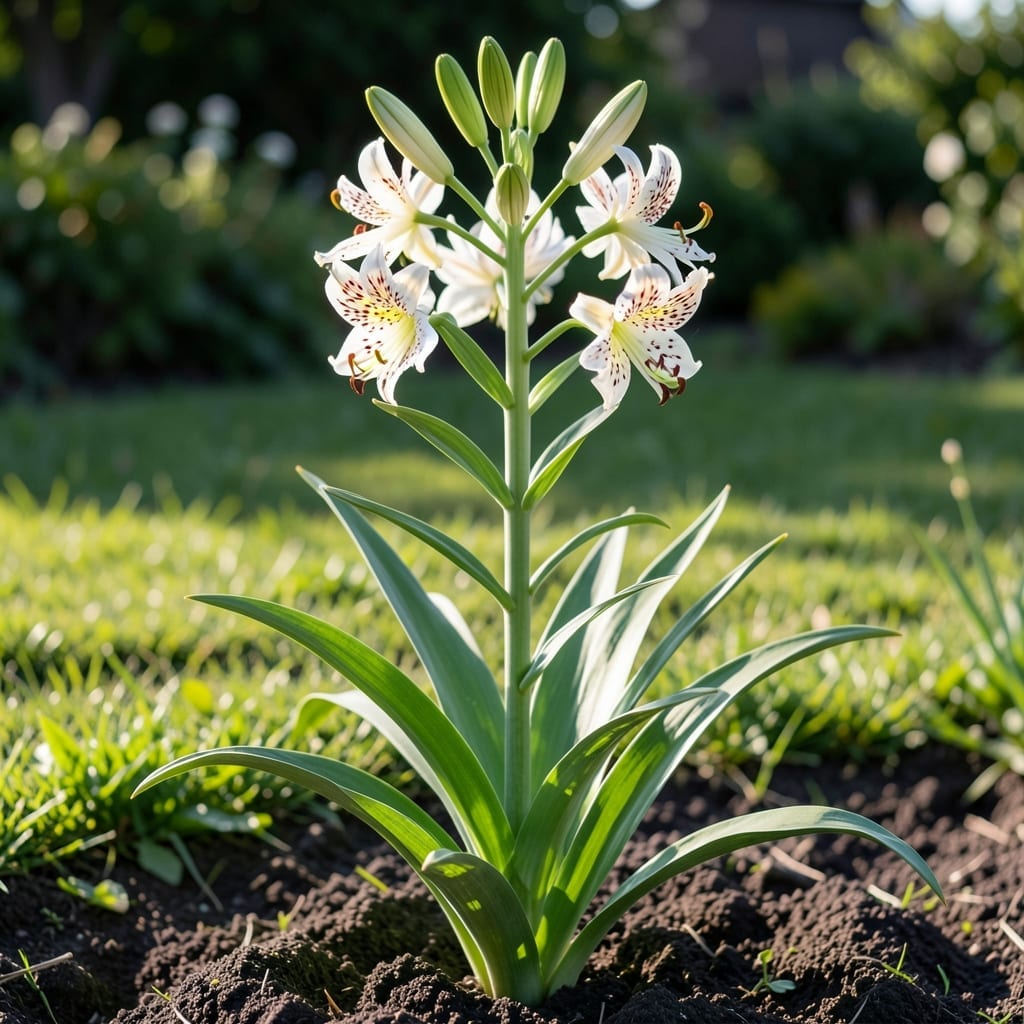
White tiger lilies turn summer gardens into showstoppers with their dramatic blooms. I’ve grown them for years, and their bold white petals with deep maroon spots never fail to draw attention. They thrive in full sun with well-draining soil and…

I first spotted wild cabbage along a coastal cliffside, its ruffled blue-green leaves glowing in the salt air. This ancestor of our garden varieties thrives where few plants dare—rocky soil, wind exposure, and salty mist. You can grow it at…
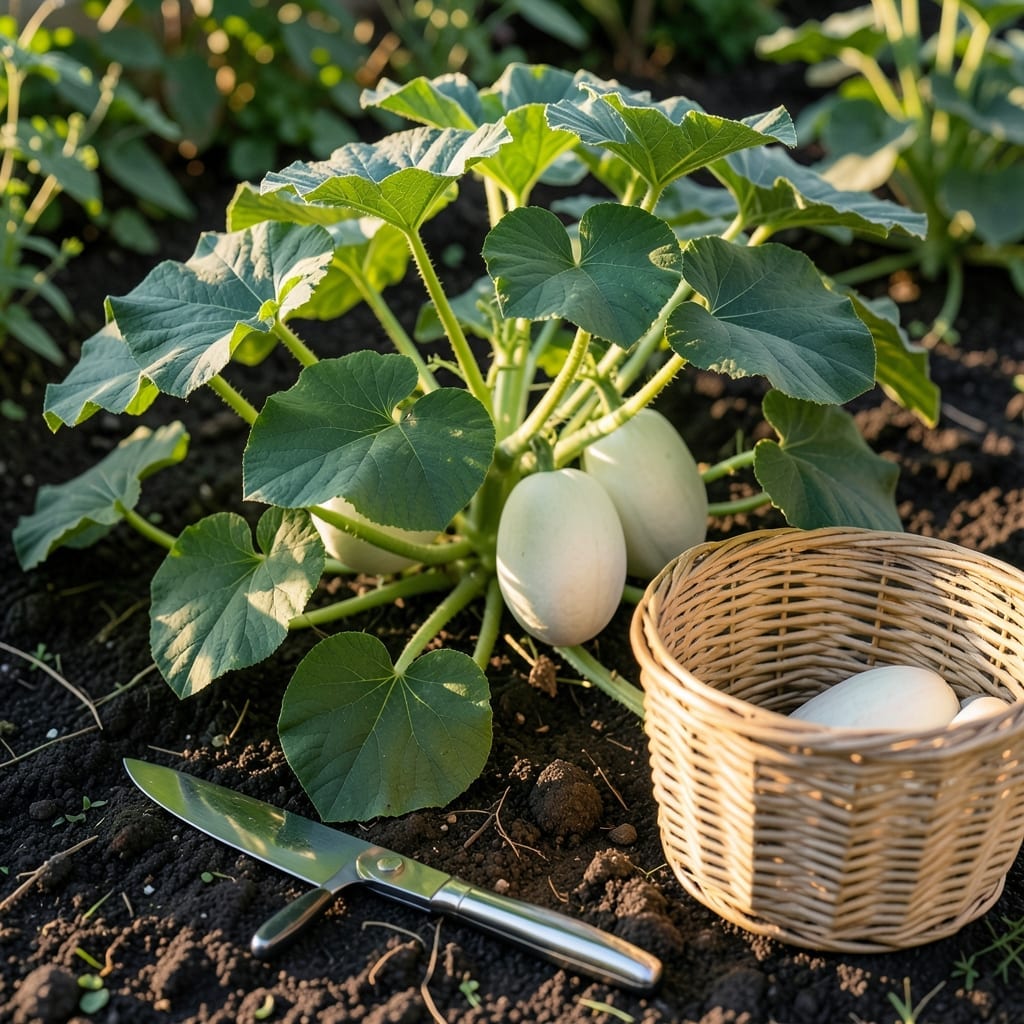
That first bite of homegrown white sweet melon ruins store-bought forever. I’ve been cultivating these for years, and the secret starts with well-draining soil and full sun exposure. You’ll taste the difference within 90 days of planting. The vines spread…
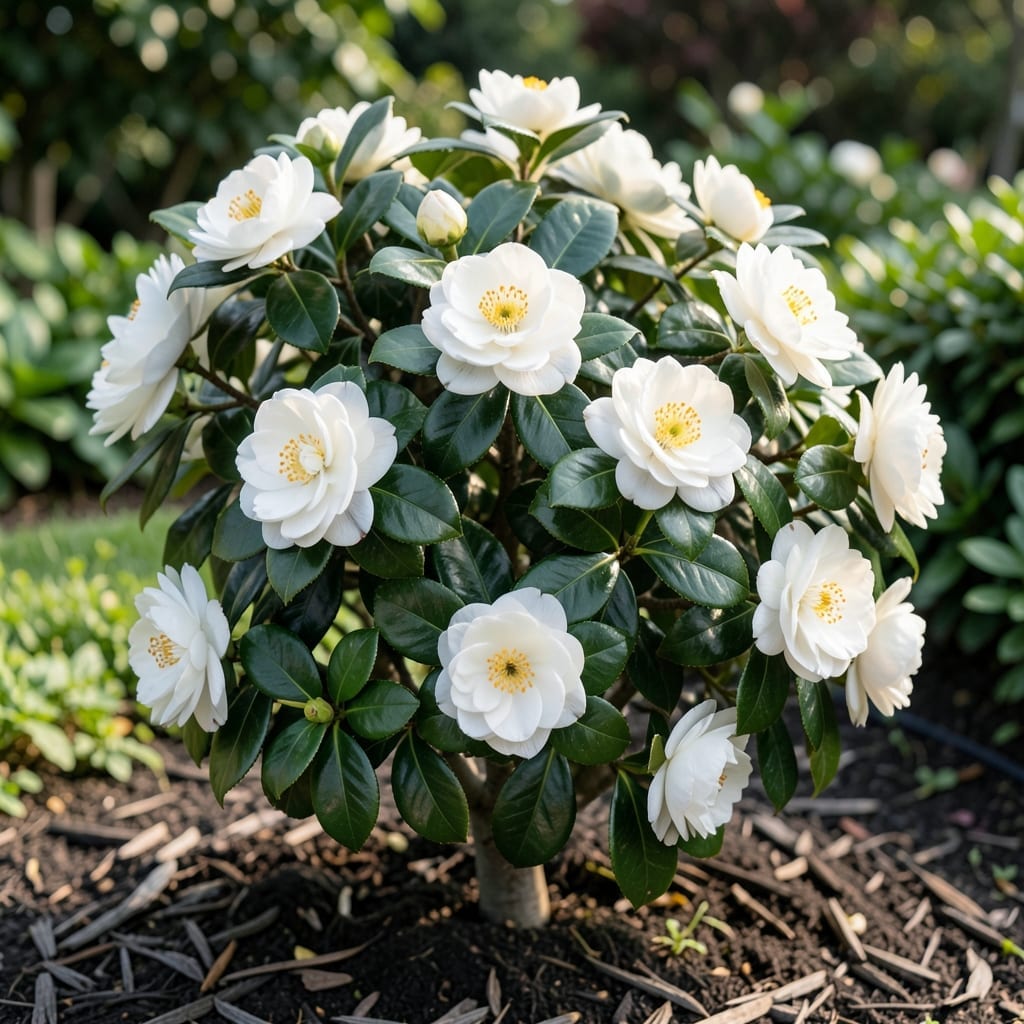
First time I saw White Empress Camellia bloom, I understood why gardeners obsess over it. Those pristine white petals against glossy evergreen leaves stop people in their tracks. It’s simpler to grow than its royal name suggests. Partial shade, acidic…

This mulberry variety changed how I think about fruit trees. Sweet, juicy berries with minimal fuss, but only if you prevent the common issues that plague most growers. I’ve found the key is matching drainage and sunlight to its natural…

There’s something magical about those pendulous white blooms swaying in the breeze. White canterbury bells bring old-world charm to any garden with their delicate bell-shaped flowers and soft green foliage. I planted my first batch along a sunny fence line…

Yellowing leaves on your Montauk daisies aren’t just unsightly—they’re a cry for help. I’ve seen this happen when plants get too much water, not enough light, or a nutrient imbalance hits hard. Here’s the thing—most fixes are simple and organic.…
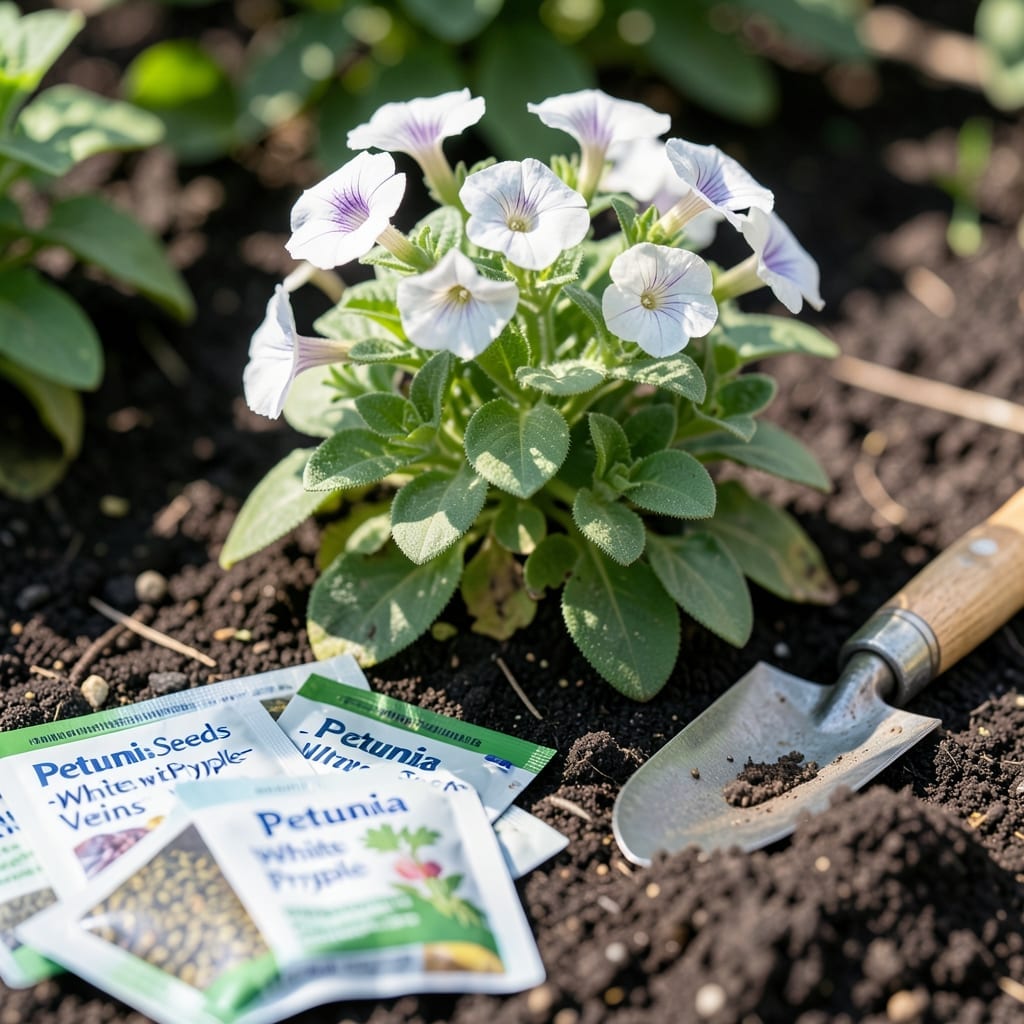
I started my first white petunias from seed on a whim, and they became the star of my spring garden. There’s something magical about watching those tiny seeds transform into cascading snow-white blooms that brighten any space. This method gives…