
Beautiful Plants For Your Interior
Beautiful Plants For Your Interior
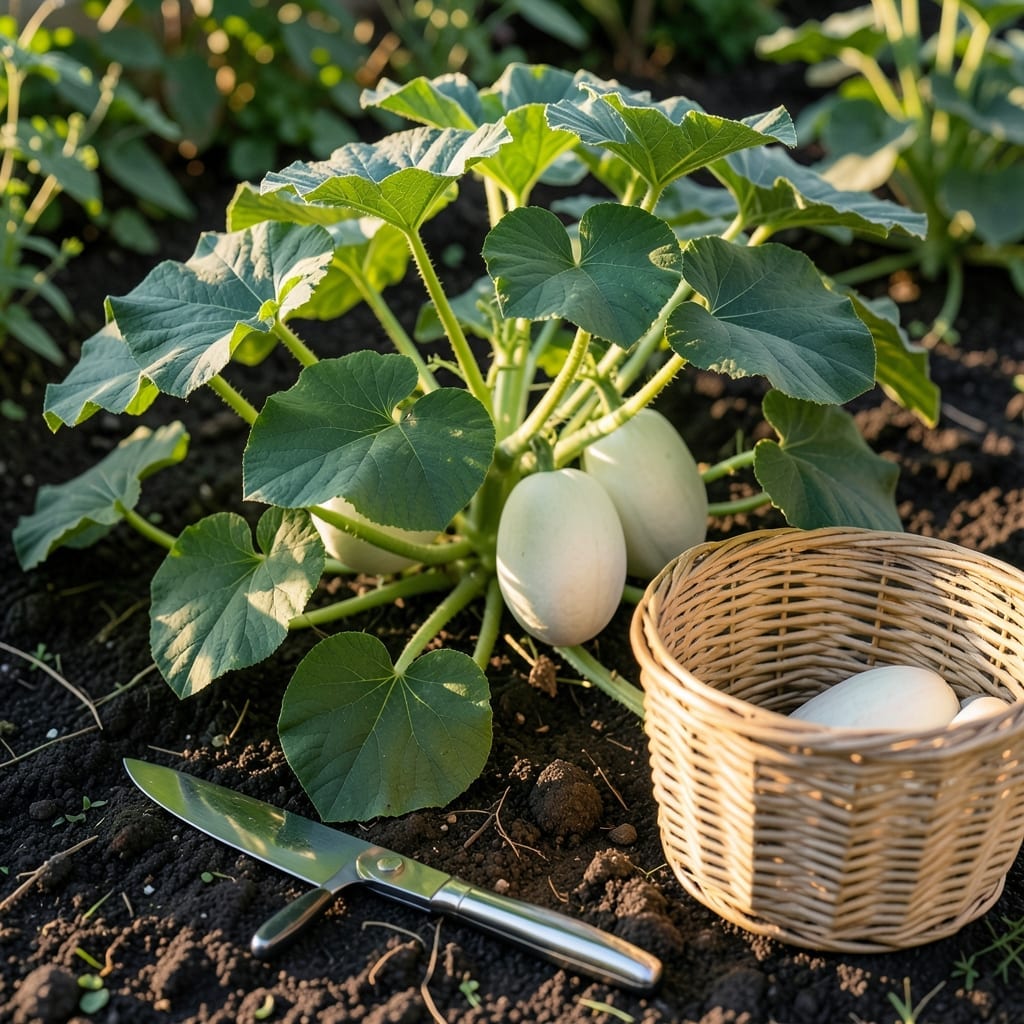
That first bite of homegrown white sweet melon ruins store-bought forever. I’ve been cultivating these for years, and the secret starts with well-draining soil and full sun exposure.
You’ll taste the difference within 90 days of planting. The vines spread fast, so give them room to climb or trail. Proper watering and pest control ensure sweet, juicy fruit every season.
📚 In This Guide
Here’s the method I trust for producing the sweetest, most reliable harvests every season.
Choose a location with full sun exposure—white sweet melons require at least 6-8 hours of direct sunlight daily for optimal sugar development. The soil should be well-draining with a pH between 6.0 and 6.8. I always amend the bed with aged compost to improve fertility and structure.
Test drainage by digging a 12-inch hole, filling it with water, and timing how long it takes to empty. If water remains after 4 hours, improve drainage with sand or organic matter. Avoid low-lying areas where cold air or water might pool.
Direct-sow seeds after the last frost when soil temperature reaches 70°F—cooler soil delays germination. Plant seeds 1 inch deep and 18-24 inches apart in rows spaced 5-6 feet apart. If transplanting, harden off seedlings for 7-10 days before setting them out.
Space plants generously to prevent competition for nutrients and airflow, which reduces disease risk. I plant in raised mounds to improve drainage and warm the soil faster. Water immediately after planting to settle the soil around the roots.
Keep soil evenly moist but not waterlogged, especially during the first 3-4 weeks after planting. Water deeply at the base in the morning to allow foliage to dry before evening, which prevents fungal diseases. Use drip irrigation or a soaker hose to deliver water directly to the roots.
Once vines begin to spread, apply a 2-3 inch layer of straw or wood chip mulch to retain moisture and suppress weeds. Mulch also keeps fruit clean and prevents soil-borne diseases. Reduce watering as fruit ripens to concentrate sugars.
White sweet melons produce long vines that benefit from support. I use a trellis or cattle panel arch to keep vines off the ground, which improves air circulation and reduces pest damage. Gently tie vines to the support with soft twine or plant clips as they grow.
For bush varieties, allow vines to spread naturally, but guide them away from each other to prevent tangling. Monitor for pests like cucumber beetles or aphids, and remove them by hand or with a strong spray of water early in the morning.
White sweet melons are ready when the stem slips easily from the vine with gentle pressure, a process called the “slip test.” The rind may also turn a creamy yellow near the stem end. Harvest in the morning when temperatures are cooler to preserve freshness.
Use pruning shears or a sharp knife to cut the stem if it doesn’t slip easily. Store harvested melons at room temperature for 1-2 days to allow sugars to fully develop before refrigerating. Expect 4-6 melons per plant, depending on variety and growing conditions.
These insights will help you avoid pitfalls and maximize your harvest.
Sunlight Requirement: Don’t underestimate the 6-8 hours of direct sunlight daily—this is non-negotiable for sugar development. I’ve seen plants struggle with only 5 hours, producing pale, flavorless fruit. Position your bed where it catches morning through afternoon sun without shade interference.
Soil Temperature Matters: That 70°F soil threshold for seeding isn’t arbitrary. Cooler soil can delay germination by weeks or cause uneven sprouting. Use a soil thermometer and consider black plastic mulch to speed warming if your spring runs cool.
Drainage Test: The 4-hour drainage test in Step 1 is your best insurance against root rot. If water lingers longer, amend with compost and sand—melons hate wet feet. I learned this after losing an entire bed to waterlogged soil one rainy season.
Vine Support: In Step 4, using a trellis isn’t just about saving space—it prevents fruit rot and makes pest management easier. Secure vines loosely with soft ties; tight bindings can girdle growing stems and restrict nutrient flow to developing melons.
Look for a golden-yellow hue under the netting, a sweet aroma at the stem end, and a slightly soft blossom end. The tendril nearest the stem should turn brown and dry.
Yes! Choose a large container (at least 5 gallons) with good drainage. Use a trellis for vertical growth to save space and ensure proper air circulation.
Watch for cucumber beetles, aphids, and spider mites. Use row covers early in the season and apply neem oil or insecticidal soap as needed.
Cracking often happens due to uneven watering. Keep soil consistently moist, especially during fruit development. Mulching can help retain moisture.
Honeydew, casaba, or canary melons offer similar sweetness and texture. Each has its unique flavor profile but works well in most recipes.