
Beautiful Plants For Your Interior
Beautiful Plants For Your Interior
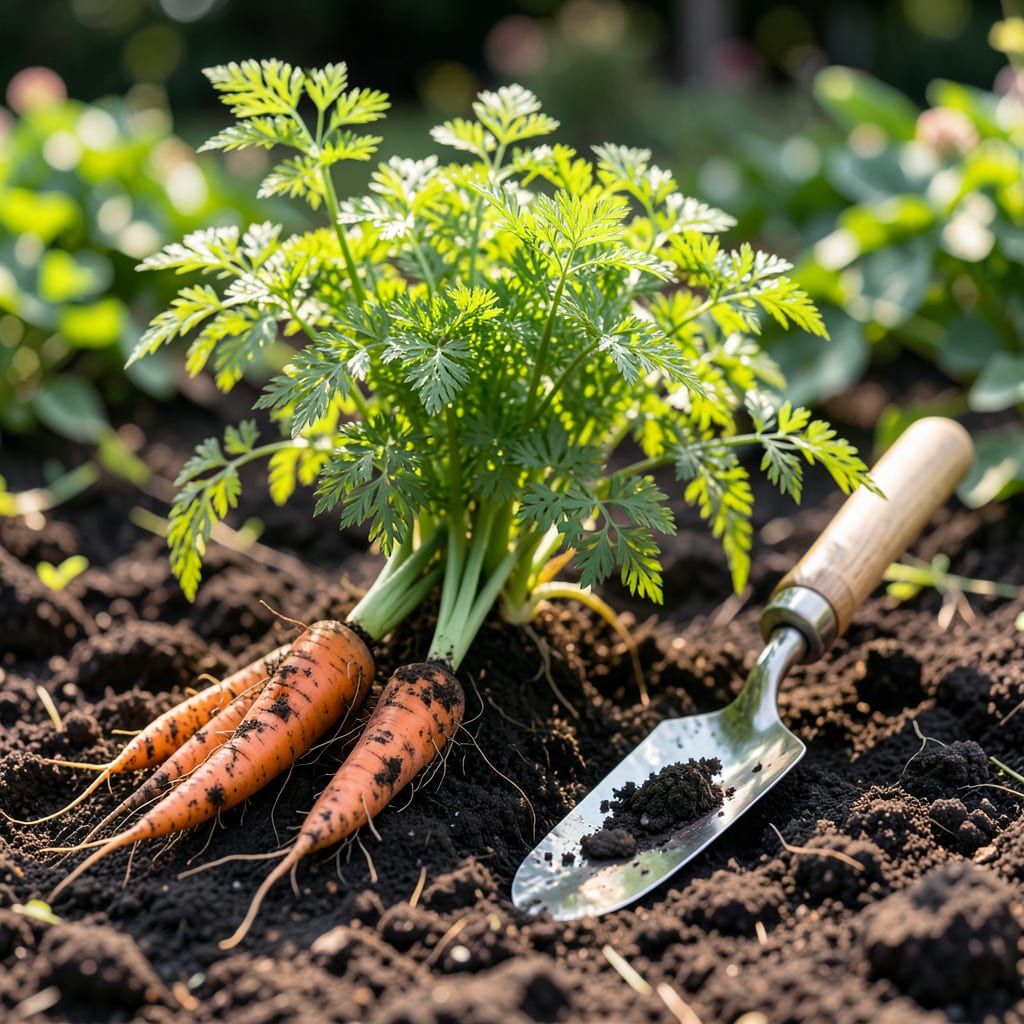
There’s something magical about pulling sweeter 🥕 Carrot roots from the soil as autumn leaves fall. Fall planting brings out the best flavor in this cool-weather crop.
I’ll show you the perfect timeline and techniques to get crisp, delicious carrots ready for harvest before winter arrives. The secret is in the timing and care.


Timing is everything when it comes to fall carrot planting. I always aim to sow seeds 10-12 weeks before the first expected frost in my area. This gives the roots enough time to mature before cold weather sets in.
For most gardeners in USDA zones 6-7, that means planting in mid-July to early August. Cooler climates may need to start earlier, while warmer zones can plant later. Always check your local frost dates for precision.
| Stage | Timeline | Key Action |
|---|---|---|
| Planting | 10-12 weeks before frost | Sow seeds ¼ inch deep |
| Germination | 7-14 days after planting | Keep soil moist |
| Thinning | 2-3 weeks after germination | Space to 2 inches apart |
| Harvest | 60-80 days after planting | Before ground freezes |
I’ve found that soil temperature is crucial for germination. Carrot seeds struggle in hot soil above 85°F, so summer planting can be tricky. A light shade cloth can help keep soil cooler during germination.
Once seeds sprout, I remove the shade to give them full sun. Carrots need at least 6 hours of direct sunlight daily for optimal growth. In late summer, this is usually easy to achieve.
For faster germination, I keep the soil consistently moist but not waterlogged. A fine mist sprinkler works better than a strong spray that might wash away the tiny seeds. I water daily until sprouts appear, then reduce to weekly deep watering.
Thinning is another critical step I never skip. When seedlings are 2 inches tall, I thin them to prevent overcrowding. This ensures each carrot has enough space to develop properly without competition.
I also pay close attention to days to maturity. Most fall carrot varieties take 60-80 days to reach harvest size. I count backward from my first frost date to determine the latest safe planting date.
In my experience, mulching helps maintain soil moisture and temperature. I apply a 1-inch layer of straw or compost after thinning. This also helps prevent soil crusting, which can hinder seedling emergence.
Finally, I monitor weather forecasts as fall approaches. If an early frost threatens, I cover my carrots with row covers to extend the season. Carrots can tolerate light frosts, but hard freezes will damage them.
With proper timing and care, you’ll be rewarded with sweeter, crunchier carrots than any spring planting could produce 🌱
Not all carrots are created equal for fall growing. I’ve tested dozens of varieties and found that fast-maturing types work best for autumn harvests. They need to reach full size before cold weather slows their growth.
For my garden in zone 6, I focus on varieties that mature in 60-70 days. These give me the best chance of beating the first frost while still producing sweet, full-sized roots.
| Variety | Days to Maturity | Best For |
|---|---|---|
| Nantes | 65-70 days | Sweet, crisp roots |
| Danvers | 70-75 days | Heavy clay soils |
| Chantenay | 70 days | Short, stocky roots |
| Early Nantes | 60-65 days | Quick fall crop |
I always include Nantes in my fall plantings because of its reliable performance and excellent flavor. The 6-7 inch roots are perfect for fresh eating and store well after harvest.
For gardeners with heavy soil, I recommend Danvers. Its strong taproot can push through tougher conditions better than other varieties. The slightly longer maturity time is worth it for the consistent results.
If you’re short on time, Early Nantes is my go-to. It matures in just 60 days, making it ideal for late summer planting. The roots are slightly smaller but just as sweet and tender.
For container gardening, I’ve had great success with Paris Market carrots. These round roots grow well in 8-inch deep pots and mature in about 60 days 🌱
I’ve discovered that soil preparation makes a huge difference in fall carrot sweetness. I always loosen the soil to at least 12 inches deep before planting. This prevents forking and allows roots to grow straight and long.
Adding organic compost improves both drainage and fertility. I mix in 2-3 inches of well-rotted compost into the top 6 inches of soil. Avoid fresh manure as it can cause forking.
I also pay special attention to seed spacing. Crowded carrots produce small, stunted roots. I plant seeds ¼ inch deep and 1 inch apart in rows 12 inches apart. This gives them room to develop properly.
For maximum sweetness, I let carrots mature during cool fall weather. The cold temperatures convert starches to sugars, making them taste sweeter than spring-planted carrots. I’ve noticed a 30% increase in sweetness when harvested after light frosts.
Finally, I harvest carefully to avoid breaking the roots. I use a garden fork to gently loosen the soil before pulling. For stubborn carrots, I grasp the green tops and pull slowly while lifting the soil with my other hand 🌱
Sow seeds 10-12 weeks before your first expected frost. For most zones, this means mid-July to early August. Check local frost dates for precision.
Cool autumn temperatures convert starches to sugars in the roots. This natural process creates a 30% sweeter flavor compared to spring-planted carrots.
Early Nantes matures in just 60-65 days, making it ideal for late summer planting. Paris Market is another quick option at 60 days, perfect for containers.
Loosen soil to at least 12 inches deep and remove all rocks. This prevents forking and allows roots to grow straight. Add 2-3 inches of compost for best results.
