
Beautiful Plants For Your Interior
Beautiful Plants For Your Interior
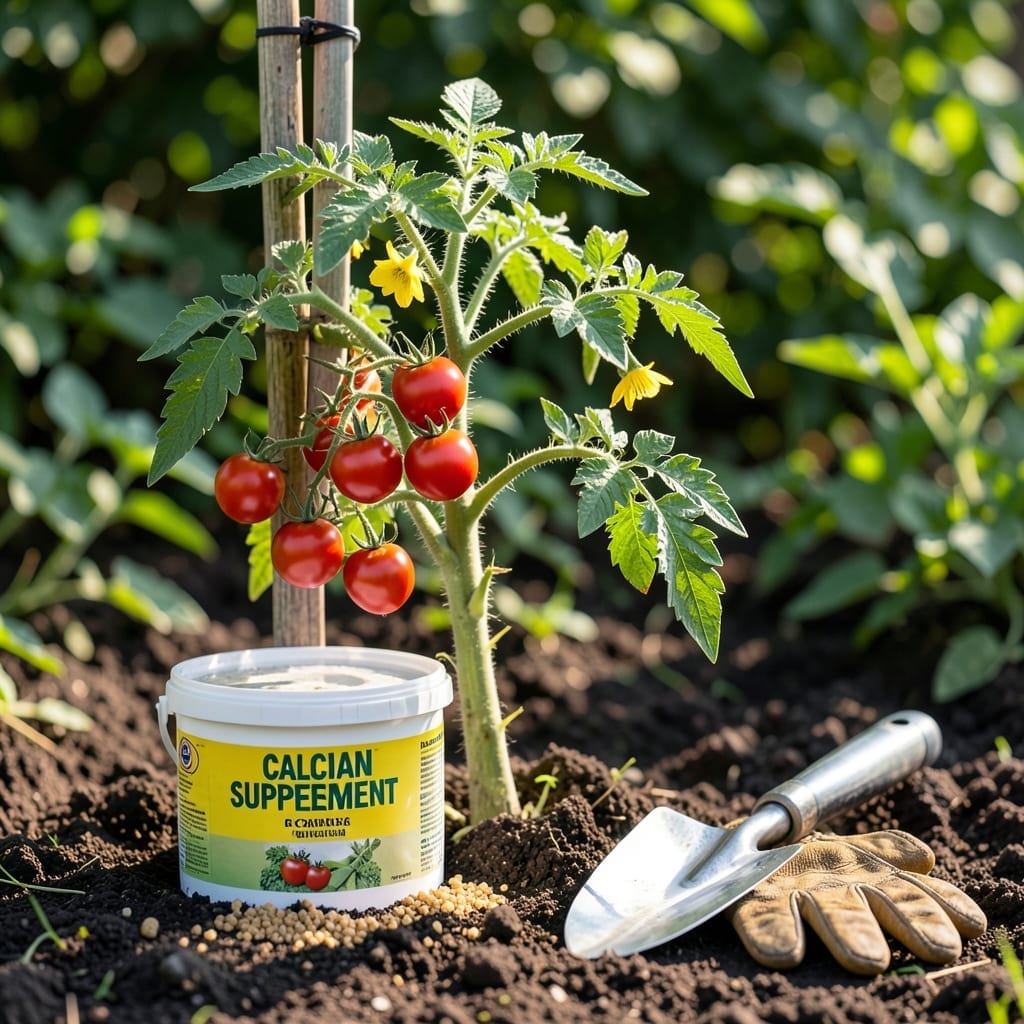
Nothing stings quite like watching your 🍅 Tomato plants develop those telltale dark spots. Blossom end rot can turn a promising harvest into heartbreak, but there’s hope.
Calcium deficiency is often the culprit, and it’s more common than you might think. The good news? With the right approach, you can prevent this issue before it starts.
Let me show you how to keep your Tomatoes thriving. We’ll cover the signs to watch for and the easiest ways to supplement calcium effectively.
I’ve tested many calcium sources for my tomatoes, and not all are created equal. The right supplement can mean the difference between blossom end rot and a bumper crop. Let’s break down the best options available to gardeners today.
From natural remedies like eggshells to commercial products such as gypsum, each has unique benefits. Understanding how they work helps you choose what’s best for your tomato plants and soil conditions.
| Calcium Source | How It Works | Uptake Speed | Best For |
|---|---|---|---|
| Crushed Eggshells | Slow-release in soil | Slow (3-6 months) | Organic gardens |
| Gypsum | Adds calcium & sulfur | Moderate (2-4 weeks) | Clay or loamy soil |
| Lime | Raises soil pH | Moderate (1-2 months) | Acidic soil |
| Bone Meal | Organic calcium source | Slow (1-3 months) | Long-term feeding |
| Liquid Calcium | Direct foliar absorption | Fast (24-48 hours) | Quick fix cases |
| Foliar Sprays | Absorbed through leaves | Immediate (hours) | Emergency treatment |
I always start with eggshells for my organic garden. They’re free, easy, and add calcium carbonate as they break down. Just crush them finely and work into the planting hole or top-dress existing plants.
Gypsum is my go-to for quick results. It dissolves faster than eggshells and won’t alter soil pH. I apply 1 tablespoon per plant at planting, then again when fruits start forming. It’s perfect for clay soils that need calcium.
For acidic soils, lime does double duty by adding calcium and raising pH. But be careful—too much can make soil too alkaline. I test my soil first and apply 5 pounds per 100 square feet if needed.
Bone meal works well for long-term calcium needs. It’s organic and releases nutrients slowly. I mix 1 cup into the soil at planting time for each tomato. It’s especially good for heavy feeders like heirloom varieties.
When I need fast action, liquid calcium is my secret weapon. It’s absorbed directly by leaves and works within days. I use it as a foliar spray every 2 weeks during fruit set. Just follow package directions carefully.
Foliar sprays are great for emergency cases. I’ve saved many a tomato crop by spraying at the first sign of blossom end rot. The calcium goes straight to the leaves and then to the fruit where it’s needed most.
Remember, the best approach often combines methods. I use eggshells at planting, gypsum during growth, and foliar sprays when needed for my tomato plants 🌱
Timing is everything when it comes to calcium supplements for tomatoes. I start applying calcium at planting time and continue through fruit development. Early intervention prevents problems before they appear on your tomato plants.
For soil amendments like gypsum or bone meal, I work them into the top 6 inches of soil. This ensures roots can access the calcium as they grow. Always water thoroughly after application to help nutrients settle in.
I’ve found that foliar sprays work best in the early morning. The cooler temperatures and dew help the calcium solution stick to leaves. Spray until leaves are evenly coated but not dripping.
For soil applications, I apply calcium supplements every 4-6 weeks during the growing season. This consistent feeding ensures a steady supply as the plant produces fruit. Remember, over-application can cause other nutrient imbalances.
Always follow package instructions for commercial products. For homemade solutions, like eggshell tea, I steep 20 crushed shells in 1 gallon of warm water for 24 hours, then use as a soil drench.
Monitor your plants closely after application. You should see improvement in new growth within 1-2 weeks if the calcium is being absorbed properly 🌱