
Beautiful Plants For Your Interior
Beautiful Plants For Your Interior
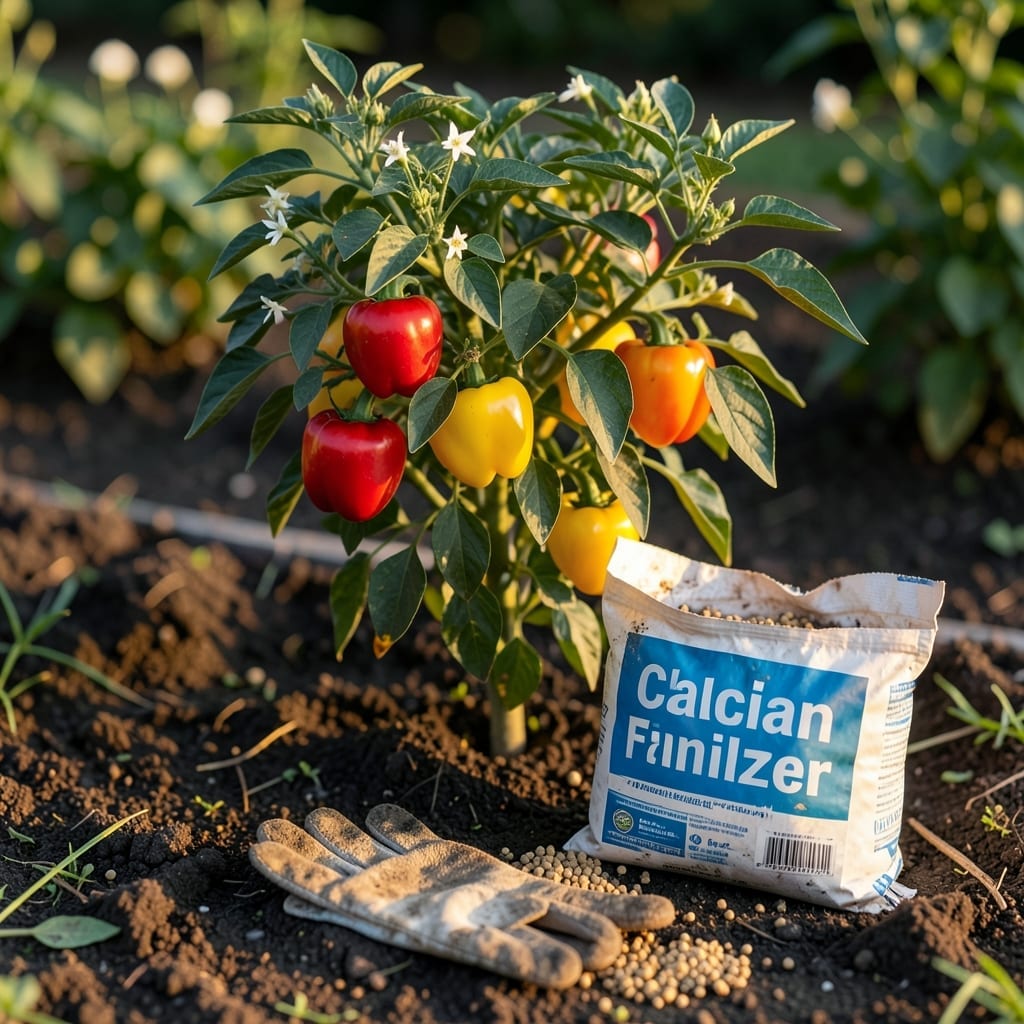
Nothing ruins a 🌶️ Peppers harvest faster than blossom end rot—and the secret to preventing it lies in proper calcium management. This essential nutrient strengthens cell walls, but peppers often struggle to absorb it.
You might be watering and fertilizing, yet still see those frustrating dark spots appear on your peppers. The issue usually isn’t a lack of calcium in the soil, but rather how your plants are accessing it.
I’ve learned through experience that consistent moisture and the right soil pH make all the difference. Let me show you how to ensure your peppers get the calcium they need to thrive.
Discover the simple, natural solutions that will save your harvest this season. Your pepper plants will thank you with healthy, abundant fruit.
I’ve seen too many gardeners lose their pepper harvest to blossom end rot, a classic sign of calcium deficiency. This nutrient is the backbone of strong cell walls in plants, ensuring your peppers grow sturdy and healthy.
Without enough calcium, peppers develop soft, sunken spots on the fruit’s bottom. It’s not just about the fruit quality—it affects the entire plant’s ability to transport nutrients and water efficiently.
| Requirement | Specification |
|---|---|
| Calcium Role | Strengthens cell walls |
| Deficiency Sign | Blossom end rot |
| Affected Plant Part | Fruit base, new growth |
| Absorption Issue | Needs consistent moisture |
What surprises many is that soil often has enough calcium, but peppers can’t absorb it due to uneven watering or pH imbalances. Dry spells followed by heavy watering disrupt the nutrient flow to developing fruits.
I always check my soil pH first—a range of 6.0 to 6.8 is ideal for calcium uptake. If it’s too acidic, I add garden lime to adjust it. This simple step can make a world of difference in preventing deficiencies.
Another telltale sign is stunted growth or weak stems. If your pepper plants look leggy or struggle to support their fruits, they might be crying out for more calcium. Don’t ignore these early warnings.
I’ve found that young plants and fast-growing varieties are especially vulnerable. Their rapid growth demands a steady calcium supply, and any interruption can lead to permanent damage to the fruit.
It’s not just about adding more calcium—it’s about ensuring your peppers can access it. Mulching helps maintain soil moisture levels, while organic matter improves soil structure for better nutrient availability.
In my garden, I prioritize consistent watering and balanced fertilization. Too much nitrogen can actually hinder calcium uptake, so I use a balanced fertilizer and supplement with calcium-rich amendments.
Remember, prevention is always easier than cure. By understanding these signs and causes, you can keep your pepper plants thriving all season long. 🌱
When I notice calcium deficiency in my pepper plants, I turn to natural solutions first. These methods are safe, effective, and often use materials you already have at home.
One of my go-to remedies is crushed eggshells. I rinse and dry them, then crush them into a fine powder before working it into the soil around my plants. It’s a slow-release calcium source that won’t overwhelm your peppers.
Bone meal is another excellent option. I mix about 1 tablespoon per plant into the soil at planting time. It’s rich in calcium and phosphorus, which supports both fruit development and root growth.
For a quick fix, I use wood ash from my fireplace. A light sprinkling around the base of plants, followed by watering, provides an immediate calcium boost. Just remember, a little goes a long way.
I always add compost to my pepper beds. It improves soil structure and helps plants access existing calcium. Healthy soil is the foundation for healthy plants.
For severe deficiencies, I make a calcium foliar spray using calcium chloride or calcium nitrate. Spraying the leaves allows for direct absorption, but I only use this method early in the morning to prevent leaf burn.
Remember, the key is consistency. Regular applications of these natural amendments will keep your pepper plants supplied with the calcium they need to produce strong, healthy fruits. 🌱