
Beautiful Plants For Your Interior
Beautiful Plants For Your Interior
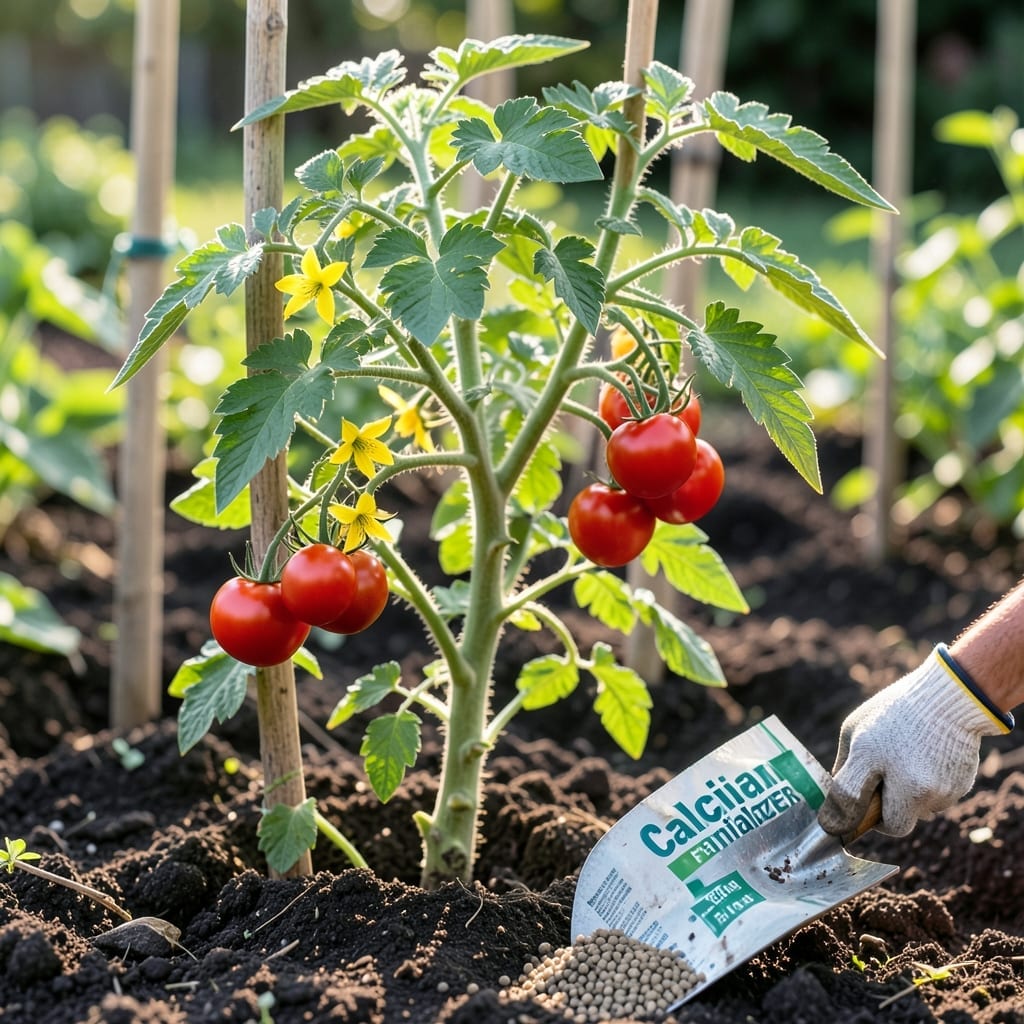
Nothing ruins a promising 🍅 Tomato harvest faster than blossom end rot. This frustrating issue often signals a calcium deficiency that’s silently sabotaging your plants.
I’ve seen firsthand how the right calcium approach transforms weak, disease-prone tomatoes into thriving producers. The difference in fruit quality and plant health is truly remarkable.
Discover how proper calcium application can be the game-changer your garden needs. Let me show you exactly how to boost your tomato plants’ resilience and productivity.
I’ve learned that calcium is the unsung hero for tomato plants. It strengthens cell walls, ensuring sturdy stems and firm fruit. Without it, plants become vulnerable to diseases and structural weaknesses.
One of the most visible signs of calcium deficiency is blossom end rot. This appears as dark, sunken spots on the fruit’s bottom. It’s heartbreaking to see after all your hard work in the garden.
| Role of Calcium | Impact on Tomatoes |
|---|---|
| Cell wall strength | Prevents blossom end rot |
| Nutrient transport | Enhances root uptake |
| Disease prevention | Reduces fungal infections |
| Fruit quality | Improves firmness and flavor |
Calcium also plays a crucial role in nutrient transport within the plant. It helps move other essential nutrients from the soil to where they’re needed most. This means better overall plant health and growth.
Another critical function is disease prevention. Calcium strengthens plant tissues, making them less susceptible to fungal infections and other pathogens that can devastate your crop.
When it comes to fruit quality, calcium is non-negotiable. It directly impacts the firmness and flavor of your tomatoes. A well-calcium-fed plant produces fruit that’s not just better looking but also tastier.
I notice that stunted growth and leaf necrosis often appear when calcium is lacking. These symptoms can be easy to overlook until they become severe. Regular monitoring is key to catching issues early.
In my experience, poor fruit development is another red flag. Tomatoes may grow unevenly or fail to ripen properly. This is often a sign that your plants aren’t getting enough calcium during critical growth stages.
Remember that calcium deficiency can be caused by inconsistent watering. Fluctuations in soil moisture disrupt calcium uptake. Maintaining even soil moisture is just as important as the calcium itself.
I always recommend testing your soil before planting. A simple soil test can reveal calcium levels and other potential deficiencies. This proactive step can save you a lot of trouble down the line.
In the end, understanding the role of calcium in your tomato plants is the first step toward a successful harvest. With the right approach, you’ll see stronger plants and more abundant, higher-quality fruit. 🌱
I’ve tested various calcium sources for my tomatoes, and not all are created equal. The right choice depends on your soil conditions and how quickly your plants need the nutrient.
Organic options like crushed eggshells work well but take time to break down. For immediate needs, I prefer gypsum or calcium nitrate for faster absorption.
| Calcium Source | Speed | Application |
|---|---|---|
| Crushed eggshells | Slow | Mix into soil |
| Gypsum | Fast | Soil amendment |
| Lime | Moderate | Pre-planting |
| Bone meal | Slow | Soil mix |
Foliar sprays provide the fastest calcium boost. I use them when I see early signs of blossom end rot. The plants absorb the nutrient directly through their leaves.
For long-term soil health, I recommend adding compost regularly. It naturally contains calcium and improves soil structure for better nutrient uptake.
Remember that soil pH affects calcium availability. If your soil is too acidic, lime can help raise the pH while adding calcium.
I always keep a supply of crushed eggshells on hand. They’re free, easy to use, and perfect for organic gardens. Just crush them finely for faster decomposition.
In my experience, a balanced approach works best. Combine soil amendments with foliar feeds for both immediate and long-term calcium benefits. 🌱