
Beautiful Plants For Your Interior
Beautiful Plants For Your Interior
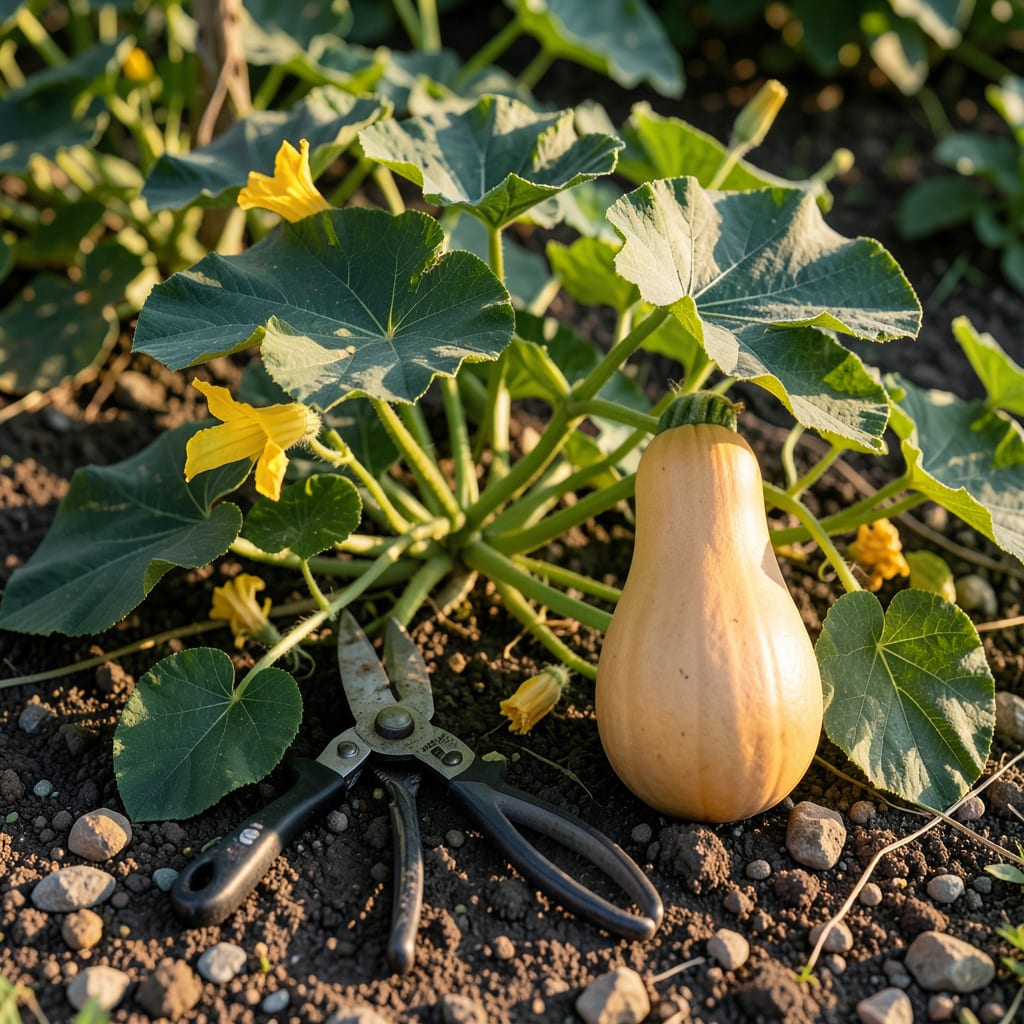
Timing your butternut squash harvest perfectly makes all the difference between bland and sweet, long-lasting flavor. The 🎃 Butternut Squash tells you when it’s ready if you know what to look for.
From skin color to stem condition, I’ll show you the most reliable signs to watch for in your garden. Never guess about ripeness again.


I always tell gardeners that butternut squash practically announces when it’s ready to be picked. You just need to know the visual language of this hardy winter squash. The most obvious sign is the rind color turning a deep, solid tan.
Another clear indicator is the stem condition. When it turns woody and dry, your squash is likely at peak ripeness. These signs ensure optimal sweetness and storage life.
| header-cell” style=”text-align:left;”>Ready Indicator | body”> |
|---|
| cell” style=”text-align:left;”>Soft and easily punctured |
| cell” style=”text-align:left;”>Green and moist |
| cell” style=”text-align:left;”>Pale or uneven |
| cell” style=”text-align:left;”>Vine still lush and green |
The rind hardness test is my go-to method. Press your fingernail into the skin—if it resists, your butternut squash is ready. This test works because the rind toughens as the fruit matures and sugars develop.
Don’t overlook the vines. When they start to die back and turn brown, it’s nature’s way of saying the squash has finished growing. This typically happens as the growing season winds down in early fall.
I’ve found that color consistency is crucial. A ready butternut will have an even tan color all over, with no green streaks. The underside should match the top—no pale spots means it’s received enough sunlight.
Remember that size matters too. Most varieties reach 8-12 inches long when mature. If your squash is significantly smaller, it may need more time, even if other signs appear ready.
The stem tells a story. A dry stem means the plant has stopped sending nutrients to the fruit. This is when the sugars concentrate for that perfect sweet flavor we all love.
In my experience, the combination of signs is most reliable. Don’t rely on just one indicator. Check the rind, stem, and color together for the most accurate assessment of ripeness.
Finally, consider the weather forecast. If frost is approaching and your squash shows most readiness signs, it’s better to harvest early than risk frost damage. Butternut squash won’t ripen further off the vine, so timing is critical.
I’ve seen many gardeners ruin a perfect butternut squash harvest by making simple mistakes. One of the most common is harvesting in wet conditions. Moisture can lead to rot during storage.
Another frequent error is cutting the stem too short. Always leave 2-3 inches of stem attached to prevent disease entry and extend shelf life.
Avoid These Harvest Pitfalls
Harvesting when wet, cutting stems too short, or ignoring frost forecasts can ruin your butternut squash crop. These mistakes reduce storage life and flavor quality.
Ignoring the weather forecast is another critical mistake. Always check for approaching frost and harvest before it hits, as butternut squash won’t ripen off the vine.
Many gardeners also overlook the tendril test. The tendril nearest the stem should be brown and dry when the squash is ready. This is often more reliable than color alone.
Using the wrong harvesting tools can damage your squash. Always use clean, sharp pruners or a knife rather than twisting the fruit off the vine, which can cause internal bruising.
Finally, don’t stack squash immediately after harvest. Let them cure in the sun for 7-10 days to harden the skin further before storing. This step significantly improves their storage potential.
Remember that size isn’t everything. A smaller butternut with all the right signs is better than a large one that’s not fully mature. Focus on the ripeness indicators we’ve discussed for the best results 🌱
Testing butternut squash ripeness doesn’t require cutting into the fruit. I rely on simple, non-destructive methods that protect the harvest while confirming readiness.
The thumbnail test is my first choice. Press your thumbnail into the rind—if it resists puncturing, the squash is likely ready. This works because the skin hardens as sugars develop inside.
3 Safe Ripeness Tests
The tap test is another reliable method. Gently tap the squash— a hollow sound suggests it’s mature. Immature squash will sound more solid or dull when tapped.
I always check the tendril nearest the stem. When it turns brown and dry, the squash is typically ready. This tendril often dries out as the fruit reaches full maturity.
For best results, I recommend using multiple tests together. A squash that passes the thumbnail, tap, and tendril tests is almost certainly ready for harvest. This combination gives me confidence in my timing.
Remember that gentle handling is key during testing. Avoid pressing too hard or using sharp objects that could damage the rind and reduce storage life 🌿
A ripe one turns a deep, even tan or beige all over. Any green streaks or pale spots mean it needs more time in the sun.
Yes, but check other signs first. If the rind is hard and the stem is dry, it’s ready even if the vine looks healthy. The vine dying back is a late sign, not the only one.
If your fingernail easily punctures the skin or the stem feels moist, it’s not ready. These indicate the rind hasn’t hardened enough for storage.
Butternut squash won’t ripen off the vine, so pick all mature fruit before frost hits. Even slightly immature ones are better than frost-damaged.
