
Beautiful Plants For Your Interior
Beautiful Plants For Your Interior
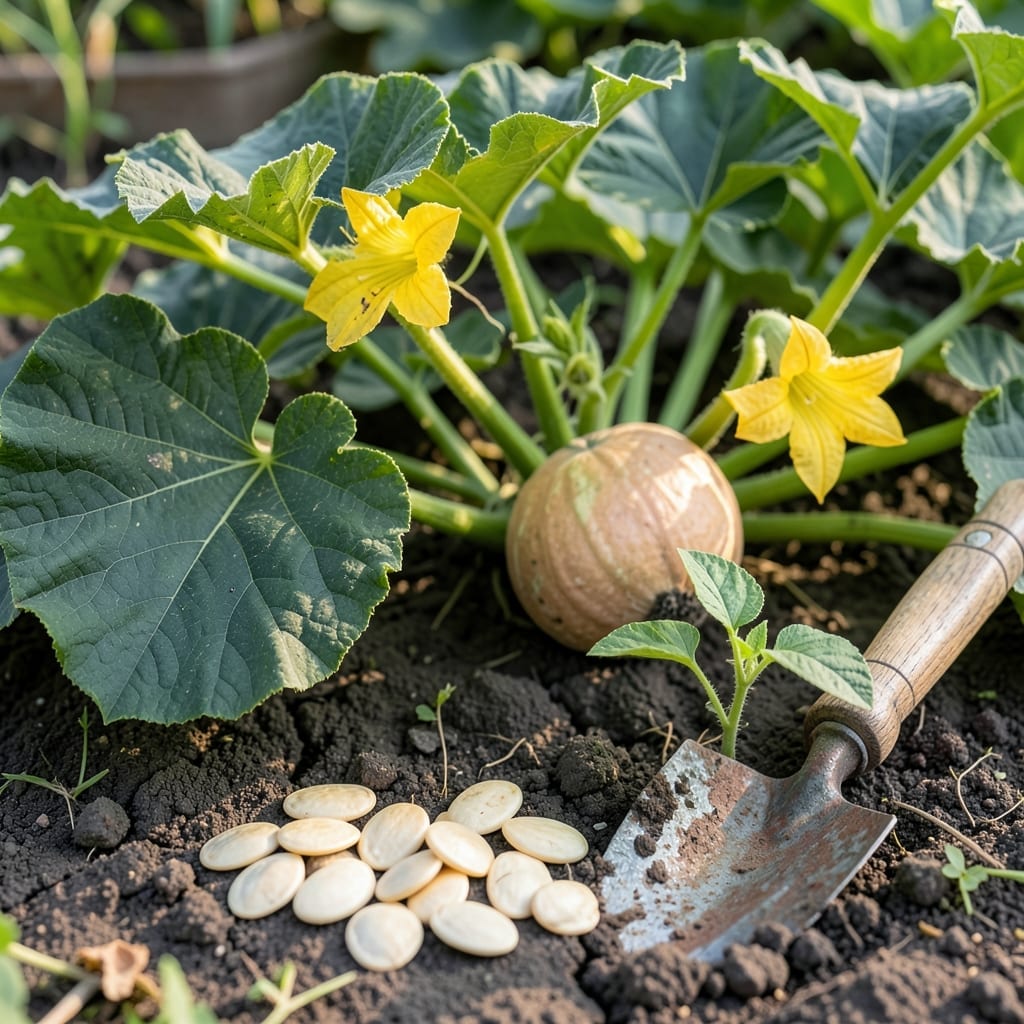
Patience is key when growing 🎃 Butternut Squash from seed, as its germination time can make or break your harvest. Understanding this timeline ensures a strong start for your plants.
I’ve learned that rushing this process often leads to disappointment. The right conditions transform those tiny seeds into thriving seedlings ready for the growing season.
From soil temperature to planting depth, every detail matters. Get it right, and you’ll see sprouts emerging in as little as 5 days under ideal conditions.
Let me walk you through what works best for Butternut Squash, so you can discover the most efficient way to kickstart your garden’s success.
When I plant butternut squash seeds, I know the germination time is crucial for planning my garden. Under ideal conditions, you can expect sprouts in 5 to 10 days, though cooler soils may extend this to 14 days.
The speed depends on several factors, including soil temperature, moisture levels, and seed freshness. Warmer soil, around 70-85°F, encourages faster sprouting, while older seeds may take longer to break dormancy. ☀️
| Stage | Timeframe | Conditions |
|---|---|---|
| Seed Swelling | 2-3 days | Moist, 70°F+ soil |
| Radicle Emerges | 4-5 days | Consistent moisture |
| Shoot Appears | 6-10 days | Full sun, warm soil |
| True Leaves Form | 10-14 days | Adequate light and nutrients |
I always check the soil temperature before planting. If it’s below 60°F, germination slows dramatically or may fail. Using a soil thermometer helps me avoid this common mistake and ensures faster, more reliable sprouting.
Another key factor is planting depth. I plant seeds about 1 inch deep in well-draining soil. Planting too deep can delay germination, while shallow planting risks the seeds drying out or being washed away. 🌱
I’ve found that seed age matters more than many gardeners realize. Fresh seeds, less than 2 years old, germinate fastest. Older seeds may still sprout, but they can take 50% longer and have lower success rates.
Moisture consistency is non-negotiable during germination. I keep the soil evenly damp but not waterlogged. Overwatering can cause seeds to rot, while underwatering stops the process entirely.
For the best results, I pre-soak seeds for 12-24 hours before planting. This softens the seed coat and can shave 1-2 days off the germination time, giving my butternut squash a head start.
I also pay attention to light conditions. While seeds don’t need light to germinate, placing them in a warm, bright spot once they sprout prevents leggy, weak seedlings that struggle to thrive.
Finally, I mark my planting dates to track progress. If seeds haven’t sprouted after 14 days, I consider replanting, as this often indicates poor conditions or non-viable seeds. 🌿
Getting your butternut squash seeds to sprout quickly starts with the right environment. I’ve found that soil temperature is the most critical factor, with 70-85°F being ideal for fast germination.
Consistent moisture levels are equally important—dry soil slows progress, while soggy conditions can rot seeds. Aim for evenly damp but not waterlogged conditions.
Plant your seeds no deeper than 1 inch—any further and they’ll struggle to push through the soil. Shallow planting gives them the best chance to emerge in 5-10 days.
For a head start, I recommend pre-soaking seeds for 12 hours before planting. This softens the outer shell and can reduce germination time by 1-2 days.
Remember that old seeds germinate slower. Always check the packaging date and use fresh seeds for the fastest results. Store-bought seeds typically last 2-3 years if kept cool and dry.
In cooler climates, consider using black plastic mulch to warm the soil. This simple trick can make all the difference in early spring plantings when temperatures are borderline.
☀️