
Beautiful Plants For Your Interior
Beautiful Plants For Your Interior
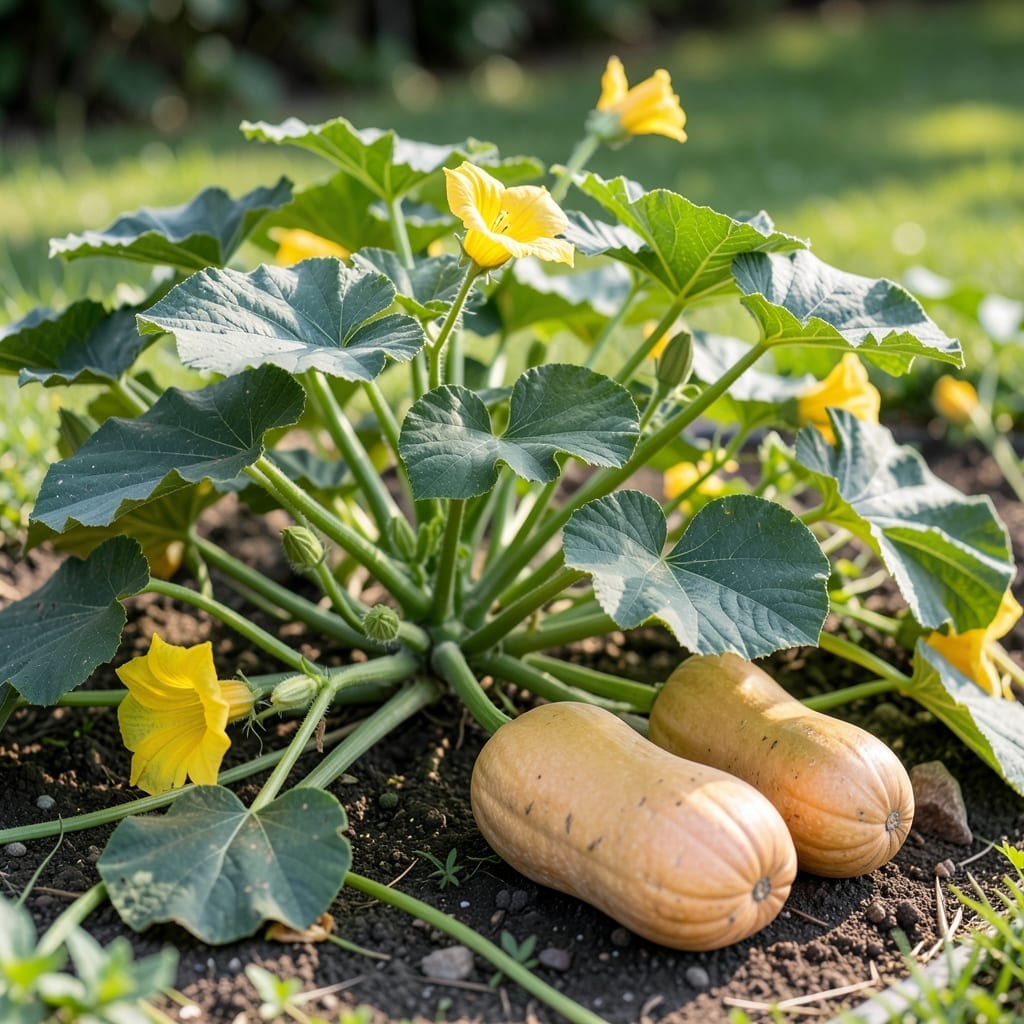
Growing Butternut Squash 🎃 in your garden starts with understanding its days to maturity. This timeline is the key factor that determines when you’ll see a bountiful harvest.
It varies by variety and growing conditions, making it essential for every gardener to plan ahead. Whether you’re in zone 6a or elsewhere, knowing this timeline helps you schedule planting and care.
Discover how factors like soil warmth and variety choice can speed up or slow down the process. With the right approach, you’ll maximize your chances of a successful harvest.
Let me walk you through what to expect and how to adjust your strategy for the best results with your Butternut Squash crop.
Knowing the days to maturity for butternut squash helps me plan my planting and harvest schedules effectively. Most varieties take 75 to 120 days to mature, but this can shift based on climate and care. 🌱
In my experience, Waltham Butternut typically matures in 85 to 100 days, while Early Butternut can be ready in as few as 75 days. For gardeners in cooler regions, Ultra Butternut offers a mid-range timeline of 90 to 100 days. ✂️
| Variety | Days to Maturity | Notes |
|---|---|---|
| Waltham Butternut | 85-100 | Classic, reliable choice |
| Early Butternut | 75-85 | Quickest for short seasons |
| Ultra Butternut | 90-100 | Disease-resistant, uniform shape |
| Butterboy Hybrid | 75-80 | Compact vines, great for small gardens |
I always remind fellow gardeners that soil temperature plays a huge role. Butternut squash seeds need at least 60°F soil to germinate properly. Planting too early in cold soil can delay maturity by 10 to 14 days. ☀️
Another factor I watch closely is consistent watering. Drought stress can slow growth, while overwatering may lead to rot. I aim for 1 to 2 inches of water weekly, adjusting for rainfall. This keeps my plants on track for their expected maturity. 💧
For those in shorter growing seasons, I recommend starting seeds indoors 2 to 3 weeks before the last frost. This head start helps Early Butternut and Butterboy Hybrid reach maturity before cold weather hits. 🌿
The vine length also affects maturity. Bush varieties like Butterboy tend to mature slightly faster than long-vined types. I find they’re ideal for container gardening or small spaces where every day counts. 🪴
I’ve noticed that fertilizing every 4 to 6 weeks with a balanced 10-10-10 formula keeps my butternut squash thriving. This regular feeding supports steady growth, helping plants reach maturity on schedule. ✂️
Finally, I always mark my planting date on the calendar and count forward based on the variety’s days to maturity. This simple step helps me anticipate harvest time and adjust care as needed. 📌
Adjusting the days to maturity for your butternut squash can help fit your growing season. In cooler climates, I use black plastic mulch to warm the soil and speed up growth.
Starting seeds indoors 2-3 weeks before the last frost also gives them a head start. This is perfect for gardeners in short-season areas who need to maximize warmth.
For staggered harvests, I plant different varieties with varying maturity times. This ensures a continuous supply rather than one large harvest.
If you need to delay maturity, try planting later in the season or in a cooler spot. Just ensure the squash still has enough time to mature before frost.
Remember, soil temperature is critical. Wait until it reaches at least 60°F before planting for the best results.
With these tips, you can control the timeline to match your garden’s needs and enjoy a successful harvest every time.