
Beautiful Plants For Your Interior
Beautiful Plants For Your Interior
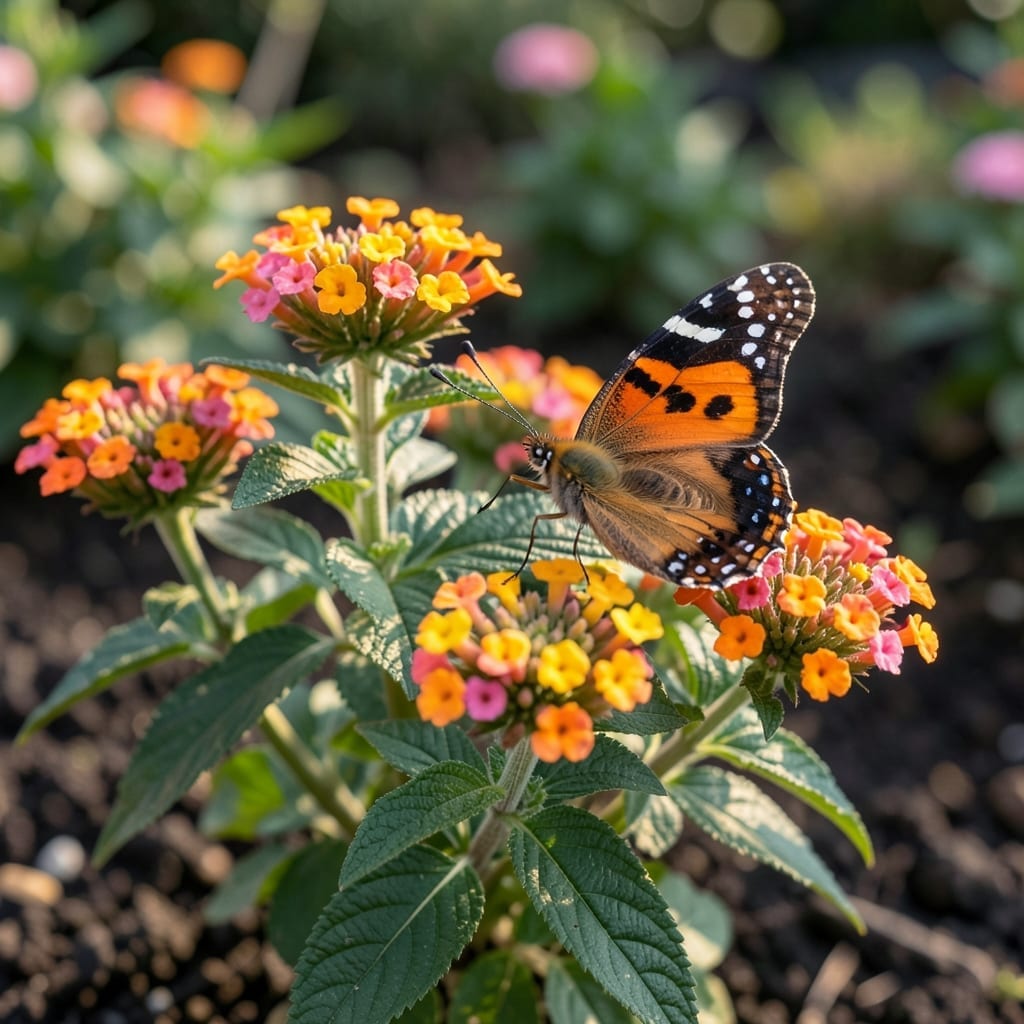
Watching a butterfly on 🌸 Lantana flowers is one of nature’s simplest joys. Their vibrant colors and sweet nectar create a magnet for these delicate pollinators.
But turning your garden into a true butterfly haven takes more than luck. With the right design approach, you can transform any space into a thriving ecosystem.
I’ve discovered that the secret lies in strategic plant selection and arrangement. Lantana’s blooms are just the beginning.
Let me show you how to attract more butterflies than ever with simple, proven techniques that work in any garden.
If you’ve ever spotted a butterfly on lantana flowers, you know how magical it looks. These vibrant blooms are like a buffet for pollinators, offering rich nectar that draws in butterflies of all kinds.
Lantana’s clustered flower heads make it easy for butterflies to land and feed. Their bright colors—like orange, pink, and yellow—act as beacons, signaling a food source from afar.
| Feature | Why Butterflies Love It |
|---|---|
| Nectar Richness | High sugar content fuels long flights |
| Flower Structure | Flat clusters provide easy landing pads |
| Color Variety | Bright hues attract from a distance |
| Bloom Duration | Flowers last all season long |
The tubular shape of lantana flowers is perfect for butterflies with long proboscises, like swallowtails or monarchs. This design ensures they can access the nectar deep within the blooms.
Lantana also emits a sweet fragrance, which is another draw. Butterflies use their antennae to detect scents, and lantana’s aroma is irresistible to species like painted ladies and skippers.
I’ve noticed that native lantana varieties tend to attract more butterflies than hybrids. This is because native plants have evolved alongside local pollinators, making them a natural fit for your garden ecosystem.
Another reason butterflies love lantana is its long blooming season. From late spring to the first frost, these plants provide a consistent food source, which is crucial for butterflies during their active months.
The dense foliage of lantana offers shelter and protection. Butterflies often rest on the leaves, especially during hot afternoons or when they need a break from feeding.
If you want to maximize visits, plant lantana in full sun. Butterflies are cold-blooded and need warmth to stay active. A sunny spot ensures they’ll keep coming back to your garden.
Finally, lantana’s drought tolerance makes it a low-maintenance choice. Even in dry spells, it keeps blooming, providing a reliable nectar source when other plants might wilt. 🌿
If you’ve ever marveled at a butterfly on lantana flowers and want to see more, these tips will help. I’ve found that planting in clusters creates a brighter, more visible target for pollinators to spot from afar.
Lantana thrives in full sun and well-draining soil, so start by picking the sunniest spot in your garden. Adding a few flat stones nearby gives butterflies a place to rest and warm up in the morning sun.
Butterflies are drawn to bright colors, especially reds, oranges, and yellows. Lantana’s multicolored blooms are perfect, but mixing in other nectar-rich flowers can extend the season of attraction.
A shallow water source with pebbles or sand lets butterflies drink safely without drowning. I place mine near the lantana but in a slightly shaded area to prevent the water from evaporating too quickly.
Companion plants like milkweed or bee balm provide additional food sources and create a layered habitat. This not only attracts more butterflies but also supports their entire lifecycle.
Finally, avoid chemical pesticides at all costs. Even organic sprays can harm caterpillars and butterflies. Instead, handpick pests or use neem oil sparingly and only in the evening when pollinators are less active.
With these simple adjustments, your garden will become a bustling hub for butterflies on lantana flowers and other pollinators, bringing life and color to your outdoor space ☀️