
Beautiful Plants For Your Interior
Beautiful Plants For Your Interior
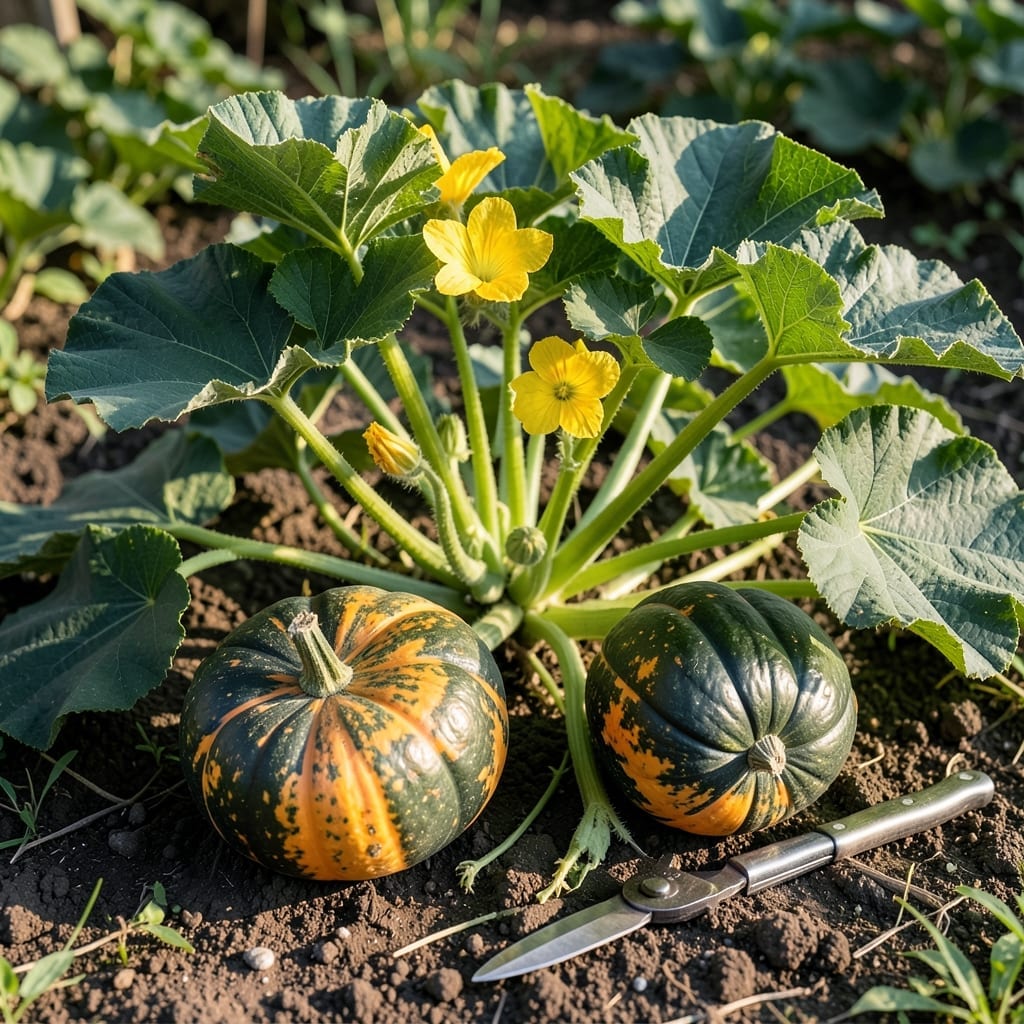
There’s nothing worse than cutting into a Buttercup Squash 🎃 only to find it underripe or past its prime. I learned this the hard way after ruining 3 harvests before mastering the simple signs of perfect ripeness.
Getting the timing right transforms your cooking experience. The difference between a bland, stringy squash and one bursting with sweet, nutty flavor comes down to knowing exactly when to pick.
With Buttercup Squash, nature gives you clear signals if you know where to look. The stem, rind, and color all tell a story about what’s happening inside that tough exterior.
Discover the foolproof methods I use every season to harvest at peak flavor. These techniques work whether you’re growing in Zone 6 or buying from your local market.
Identifying a ripe buttercup squash starts with examining its rind hardness. A mature squash will have a hard exterior that resists pressure from your fingernail, signaling it’s ready for harvest.
The stem condition is another critical indicator. When the stem turns dry, brown, and woody, your buttercup squash is likely at peak ripeness and ready to be picked.
| Ripeness Sign | What to Look For |
|---|---|
| Rind Hardness | Cannot be punctured by fingernail |
| Stem Condition | Dry, brown, and woody |
| Color | Deep, consistent, and dull |
| Vine Condition | Starts to die back |
Next, check the color uniformity. A ripe buttercup squash will display a deep, consistent color across its surface, without any shiny or uneven patches that indicate immaturity.
The vine condition can also provide clues. As the squash matures, the vine begins to die back, which is a natural sign that the fruit is nearing harvest readiness.
I always recommend performing the thumbnail test. Press your thumbnail into the rind—if it doesn’t leave a mark, the squash is ripe and ready to be harvested.
Another useful check is the hollow sound test. Gently tap the squash—if it produces a hollow sound, it’s a good indication that the interior is fully developed.
Remember, the weight of the squash can also hint at ripeness. A mature buttercup squash will feel heavy for its size, a sign that the flesh inside is dense and moist.
Harvesting at the right time ensures the best flavor and storage life. I’ve found that squash picked too early often lacks sweetness, while those left too long can become fibrous.
By combining these visual and physical cues, you’ll confidently know when your buttercup squash is perfectly ripe and ready to enjoy. ✂️
I see many gardeners make the same buttercup squash ripeness mistakes year after year. The most common error is judging by size alone. Just because it looks big doesn’t mean it’s ready. These squash need time to develop their hard rind and sweet flavor.
Another frequent misstep is ignoring the stem condition. A green, moist stem is a sure sign your squash needs more time. The stem should be dry and woody when truly ripe. Don’t rush this process.
⚠️ Watch Out!
Harvesting after frost can damage your buttercup squash. Cold temperatures can cause the rind to soften, making it more susceptible to rot during storage.
Many gardeners also overlook the color uniformity. A ripe buttercup should have a deep, consistent color without shiny spots. If you notice any glossy areas, leave it on the vine a bit longer. This dull finish indicates the squash has fully matured.
The vine condition offers another clue. If the vine is still healthy and green, your squash might not be ready. Wait until you see the vine dying back for the best results. This natural process signals the plant is redirecting energy to the fruit.
Remember that early harvesting often leads to bland flavor. Buttercup squash develops its sweet, nutty taste during the final ripening stages. Picking too soon means missing out on that delicious flavor profile we all love.
Finally, don’t forget the thumbnail test. If you can easily puncture the rind with your thumbnail, it’s not ready. A truly ripe buttercup will have a hard shell that resists pressure. This simple test can save you from many harvesting mistakes.