
Beautiful Plants For Your Interior
Beautiful Plants For Your Interior
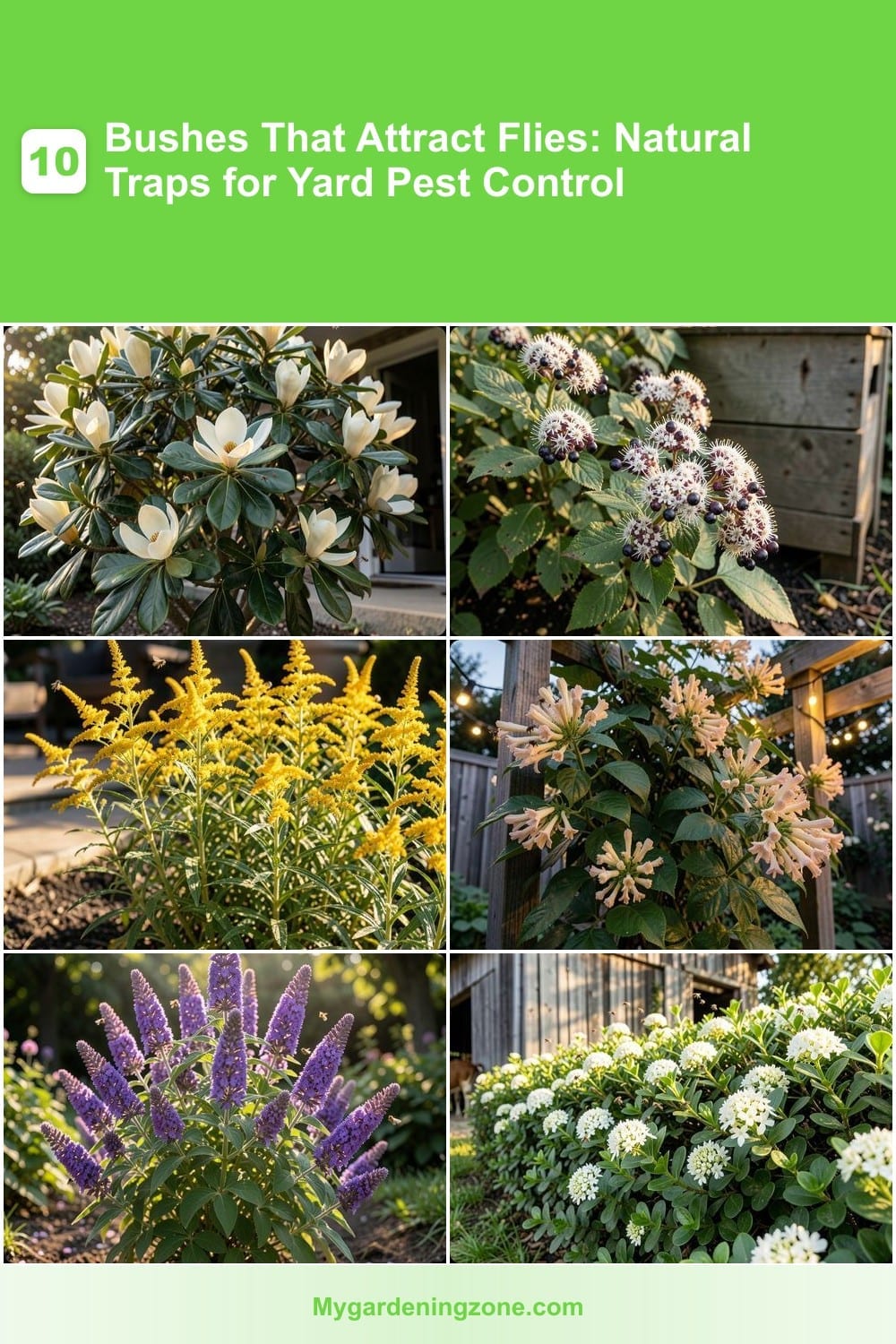
Struggling with fly infestations in your yard? These 10 bushes naturally attract flies, serving as organic traps to help control pests while adding beauty to your landscape. Discover how to use them strategically for a more comfortable outdoor space.
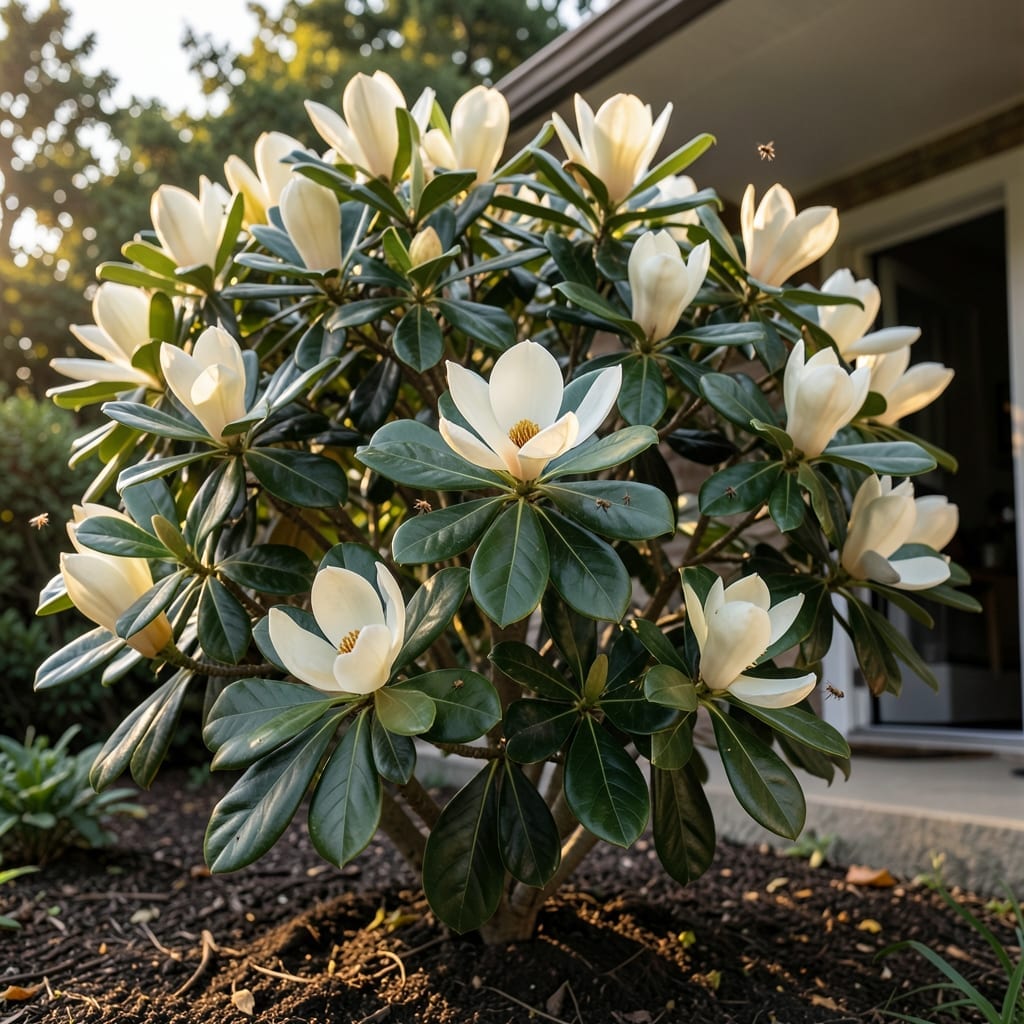
Tired of flies ruining your outdoor gatherings? The Sweet Bay Magnolia Bush offers a natural solution with its lemon-citrus scented blooms that lure flies away from patios and doorways.
This evergreen shrub thrives in partial to full sun and provides glossy, dark green foliage year-round. Its large, creamy white flowers not only attract flies but also help repel mosquitoes, making it a dual-purpose addition to your landscape.
Perfect for gardeners who want beauty and pest control in one plant. 🌿
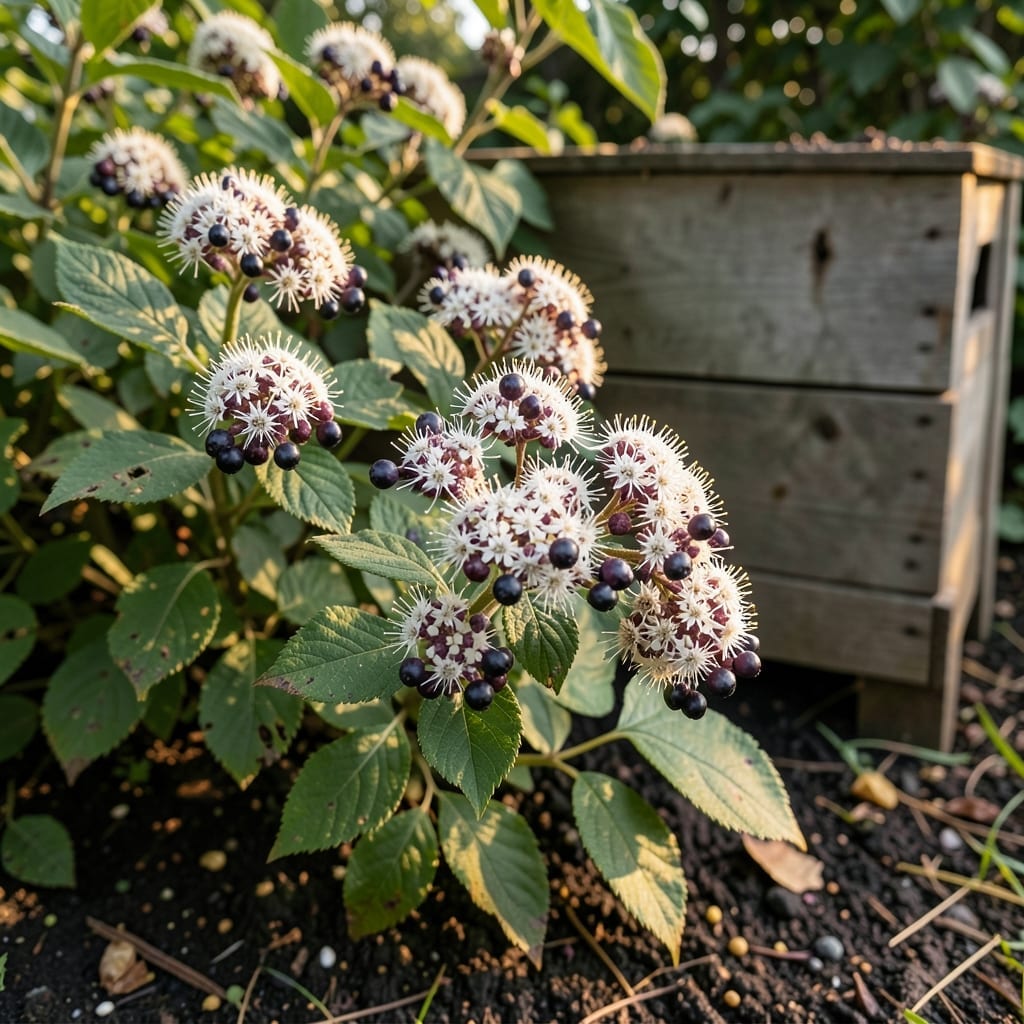
Need a natural way to manage flies near your compost pile? Elderberry shrubs are your answer, with their pungent blossoms and berries that irresistibly attract flies while keeping them away from your living spaces.
These hardy plants thrive in moist to wet soil and partial shade, making them perfect for compost-adjacent areas. The berries are also edible, offering a bonus harvest for jams or teas once the flies have done their part.
Ideal for eco-conscious gardeners who want to tackle pest control naturally while adding a productive plant to their landscape. 🌱
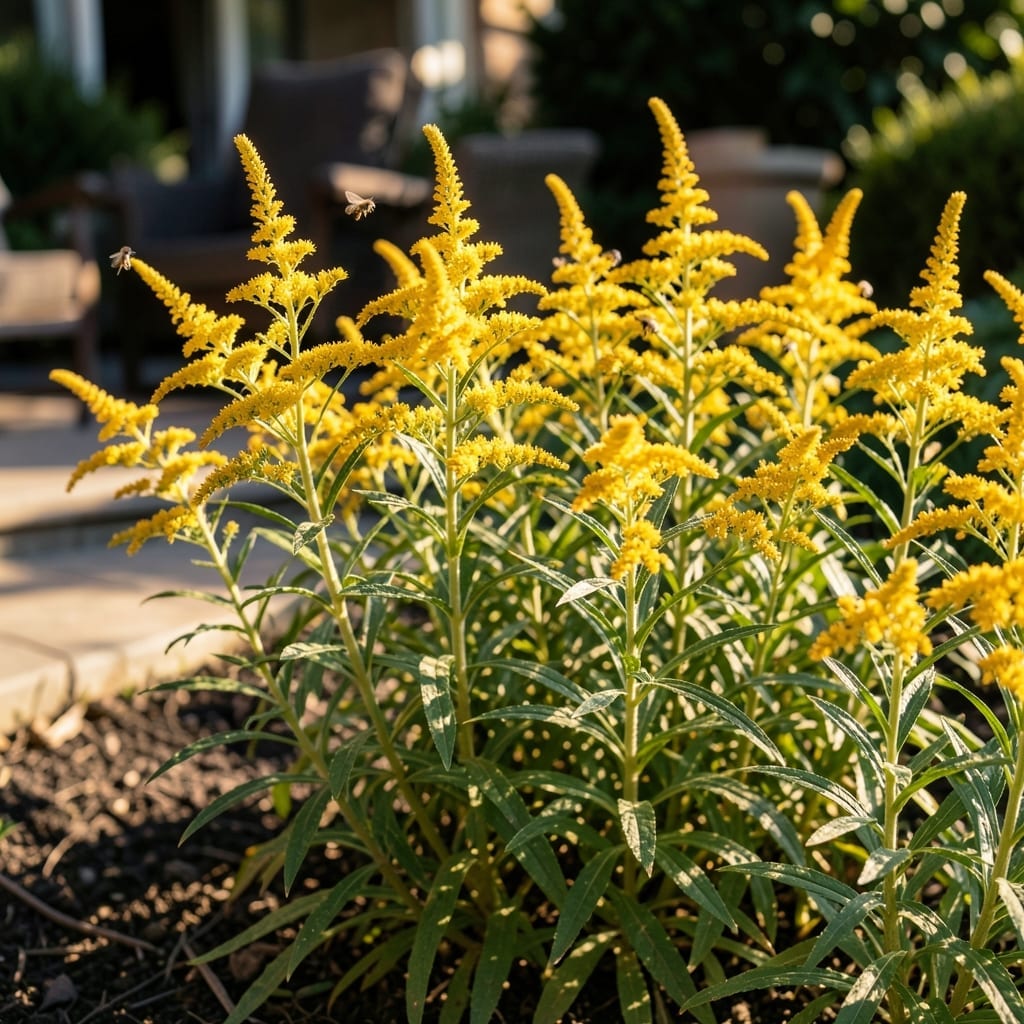
Want to keep flies away from your patio without harsh chemicals? Goldenrod bush clumps create the perfect decoy with their bright yellow blooms that emit a sweet nectar scent irresistible to flies and pollinators alike.
These hardy perennials thrive in full sun to partial shade and require minimal maintenance once established. Plant them in a corner of your yard, far from seating areas, to establish a natural fly zone that keeps pests away from where you relax.
Ideal for gardeners who want a low-effort, beautiful solution to fly control. 🌻
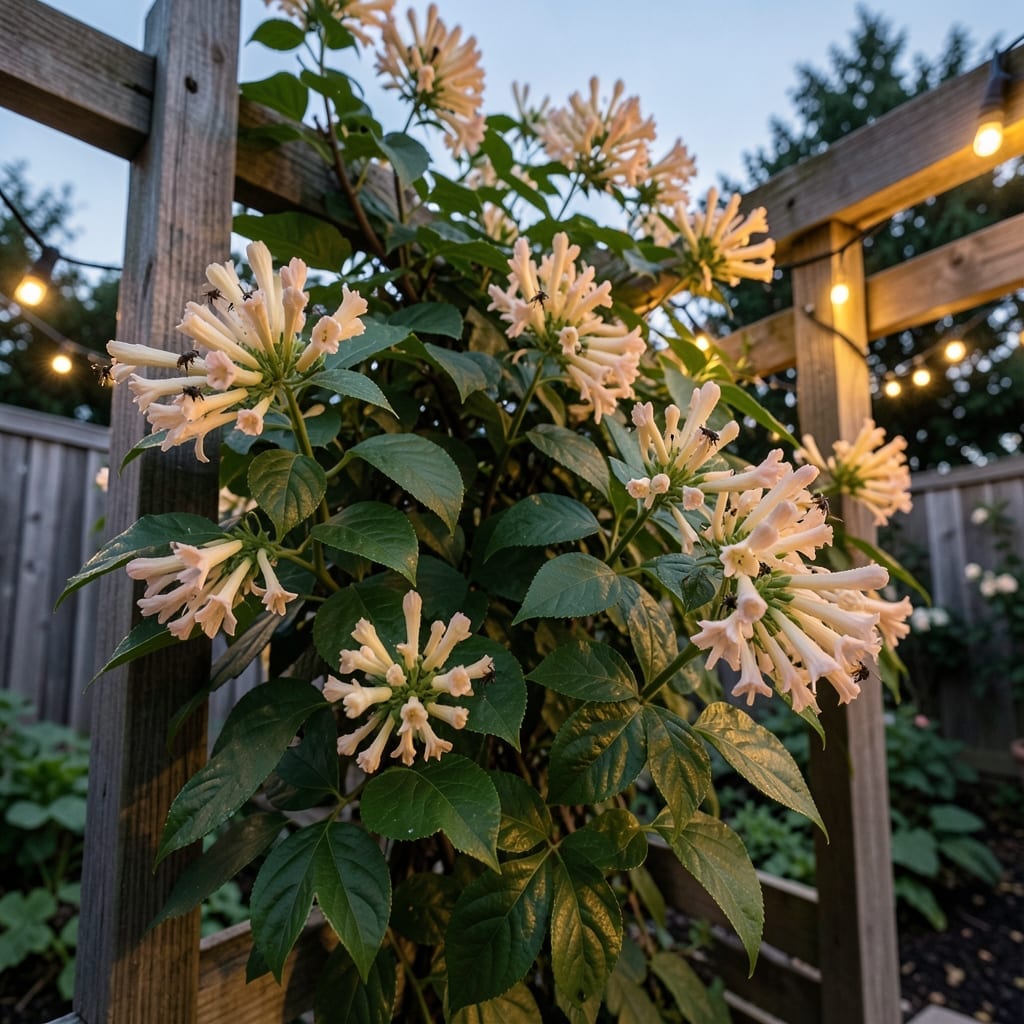
Evening gatherings ruined by flies? Honeysuckle bushes release their strongest fragrance at dusk, naturally drawing flies toward outdoor lighting areas where they already congregate.
These vigorous climbers thrive in partial to full sun and produce tubular flowers that emit a sweet scent after sunset. Position them near porch lights or lanterns to create a natural fly trap that keeps pests away from seating areas.
Perfect for gardeners who want a fragrant, low-maintenance solution to evening fly problems. 🌿
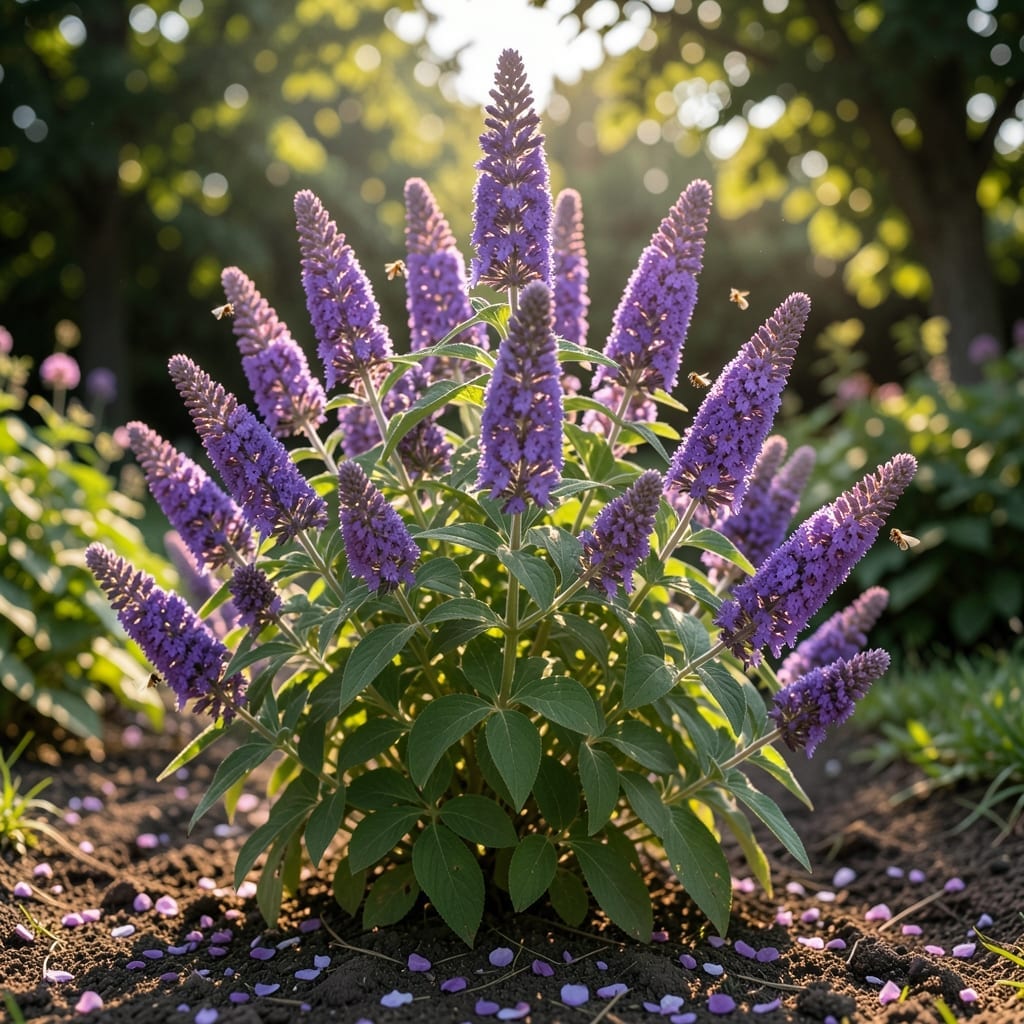
Don’t let its name fool you—butterfly bush varieties are surprisingly effective at luring flies with their honey-scented blooms, making them a clever addition to any garden struggling with pest balance.
These fast-growing shrubs produce long, cone-shaped flower clusters that emit a sweet fragrance flies can’t resist. Plant them in butterfly gardens where flies might otherwise disrupt the delicate ecosystem, creating a natural diversion that keeps both pollinators and pests in check.
Perfect for gardeners who want to support butterflies while naturally managing fly populations. 🌿
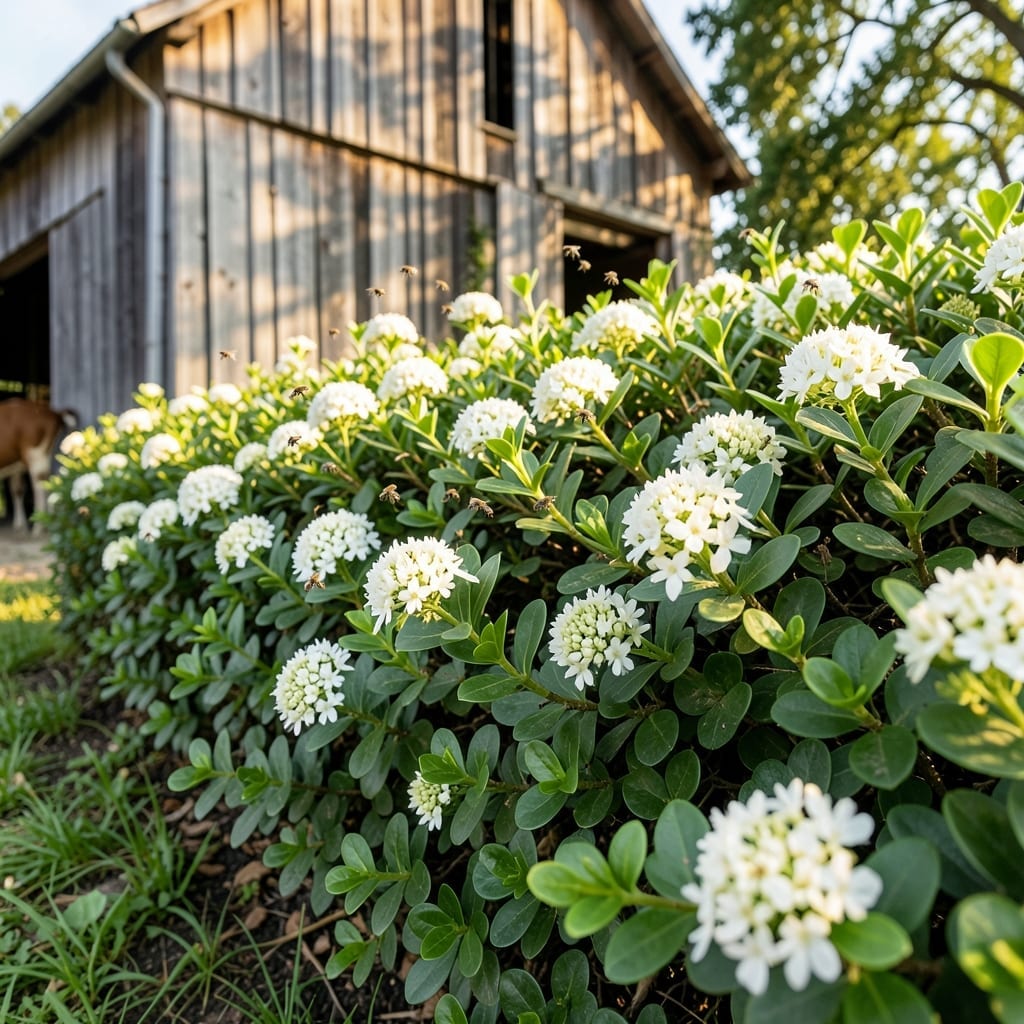
Looking for a natural way to manage flies around barns or livestock areas? Privet hedge plants are a farmer’s secret weapon, with their heavy-scented white flowers that irresistibly draw flies in.
These hardy shrubs form dense, evergreen barriers that thrive in full sun to partial shade. Their strong fragrance acts like a magnet for flies, making them ideal for planting near animal enclosures or compost zones to create a natural fly trap.
Perfect for agricultural settings or rural properties needing low-maintenance pest control. 🌿
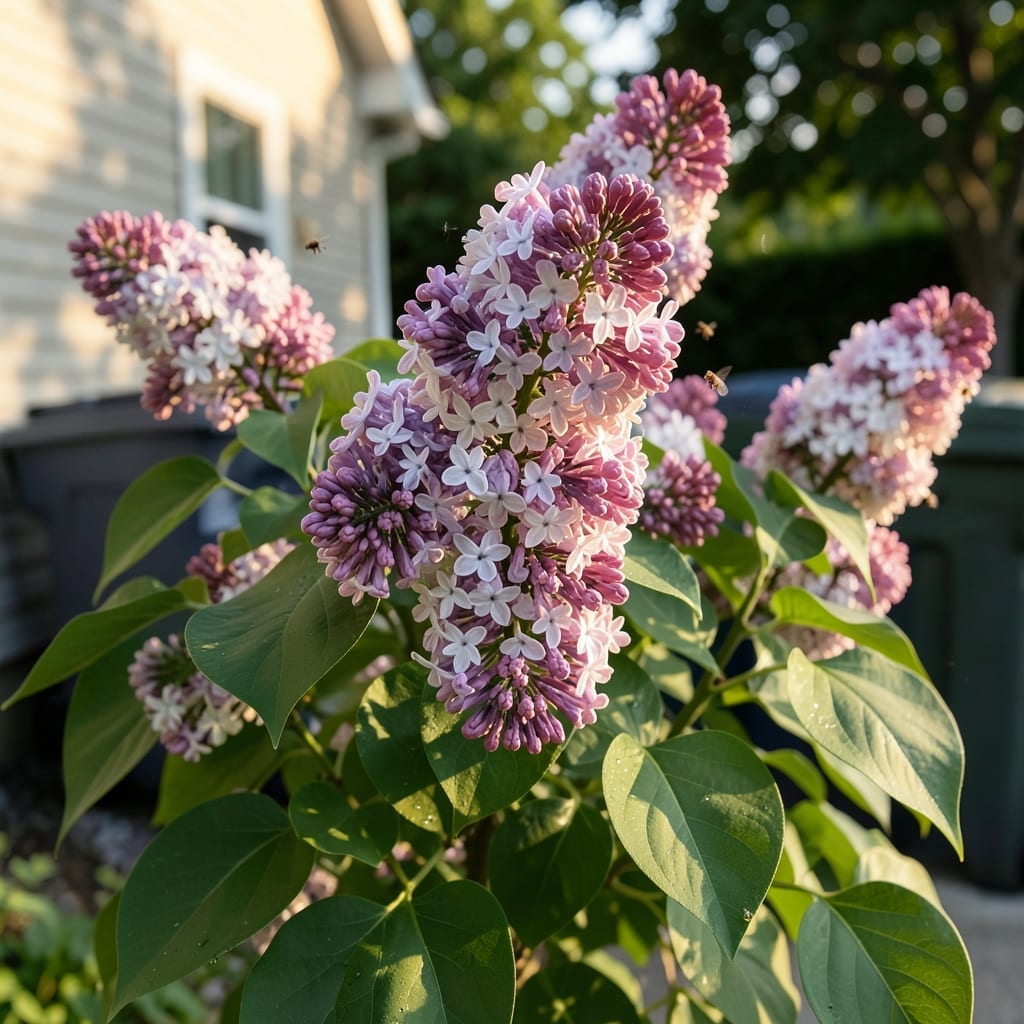
Fly problems near your trash area? Lilac bush cultivars offer a fragrant solution with their powerful spring blooms that naturally draw flies away from your home and high-traffic spaces.
These deciduous shrubs thrive in full sun to partial shade and produce clusters of purple, white, or pink flowers that release a strong, sweet scent during their peak season. Position them strategically near garbage bins or compost areas to create a natural fly diversion zone.
Perfect for gardeners who want to combine seasonal beauty with practical pest management in their landscape. 🌿
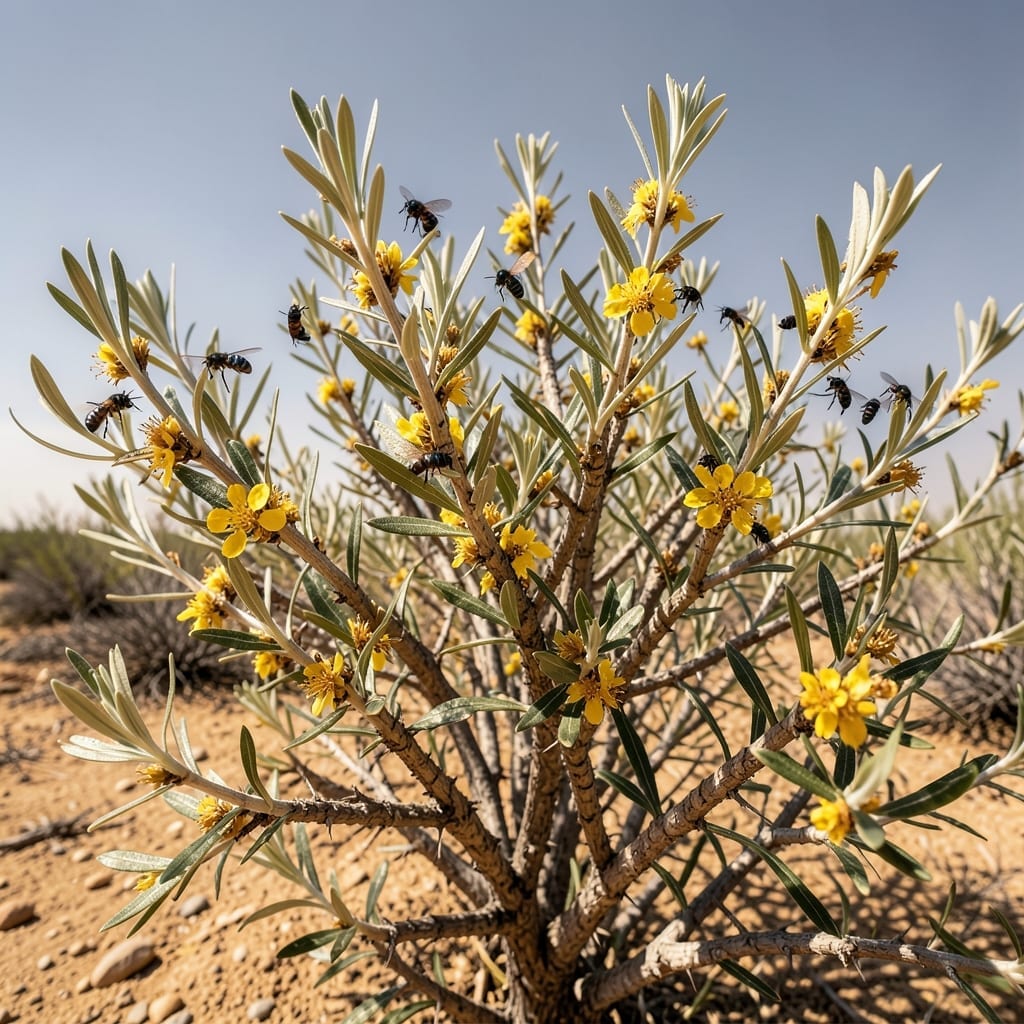
Living in a dry climate doesn’t mean you’re stuck with fly problems. The Russian Olive Bush thrives where others wilt, producing fragrant yellow flowers that draw flies in while requiring almost no water.
This tough shrub handles extreme drought and poor soil with ease. Its small, sweet-scented blooms create a natural fly trap in arid regions where traditional pest control struggles. Plant it in full sun and watch it flourish with minimal care.
Ideal for gardeners in desert or semi-arid areas needing a low-maintenance fly management solution. 🌿
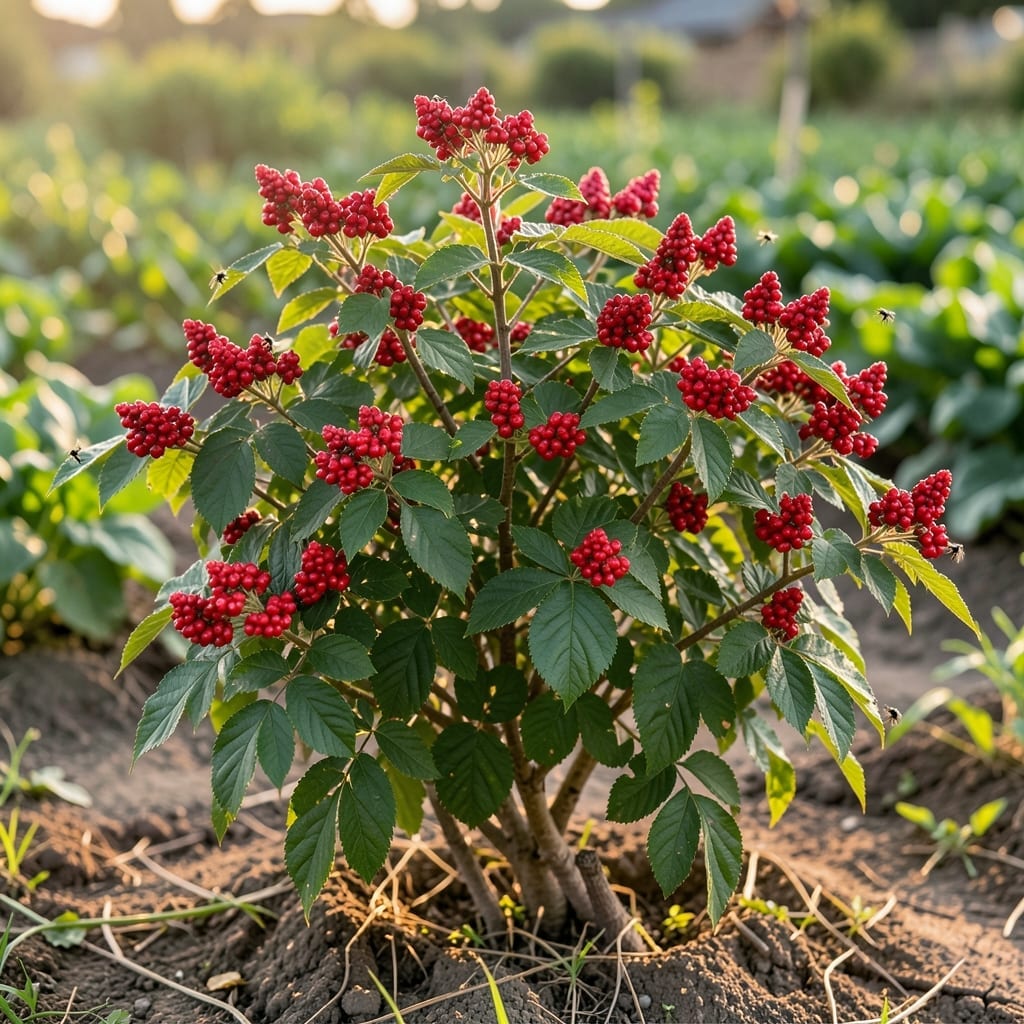
Struggling with flies in your vegetable garden? Sumac shrubs offer a clever solution with their tart-scented foliage and vibrant red berry clusters that naturally draw flies in, especially during late summer.
These hardy plants thrive in dry to medium soil and full sun, forming dense thickets that act as a natural barrier. Position them strategically around your garden’s perimeter to divert flies away from your precious crops while adding striking fall color.
Perfect for gardeners who want a low-maintenance, beautiful way to protect their harvest from pests. 🌿
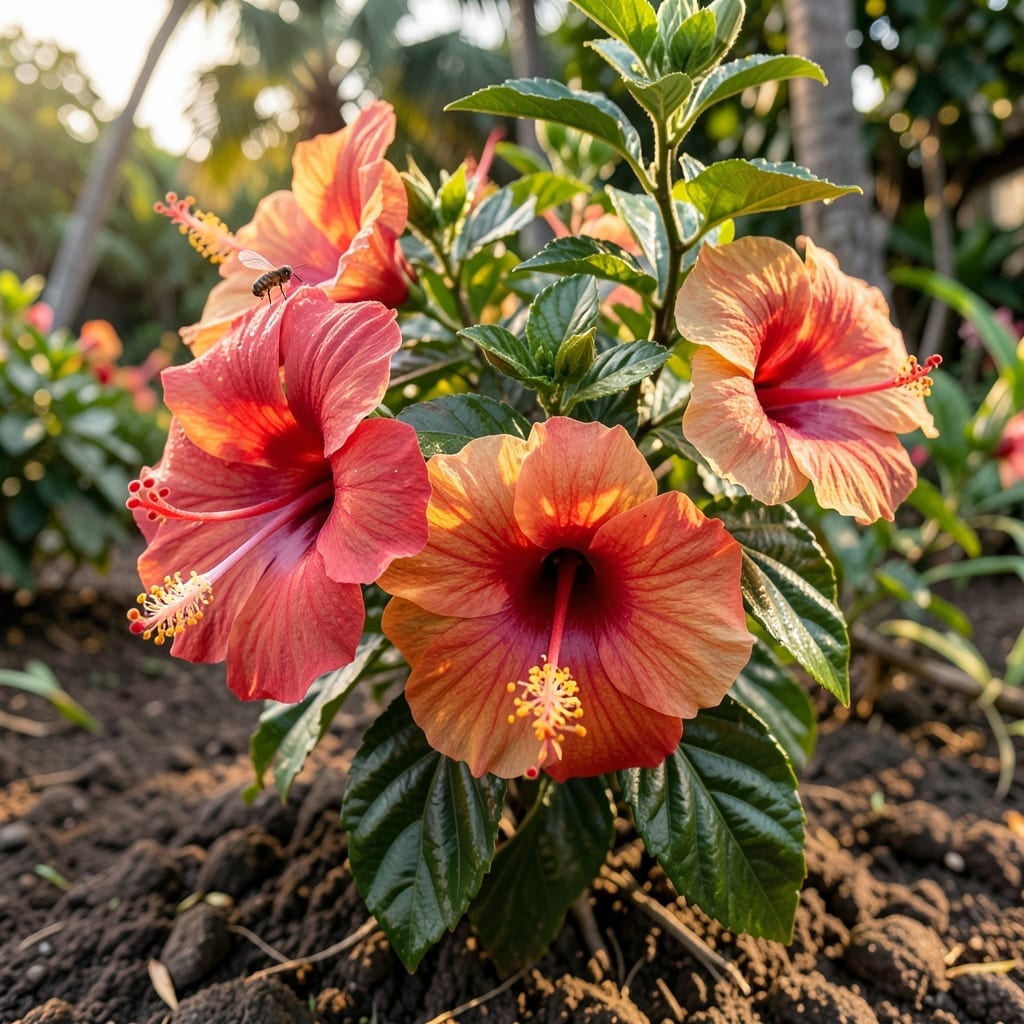
Want to add tropical flair while tackling fly problems? Hibiscus bushes produce large, showy blooms with a subtle sweet scent that naturally draws flies in, especially in warm climates where they’re active all year.
These vibrant shrubs thrive in full sun to partial shade and prefer well-drained soil. Their glossy leaves and bold flowers create a striking focal point while serving as an effective, natural fly trap in your landscape.
Ideal for gardeners in southern regions or tropical climates seeking beauty and pest control in one stunning package. 🌺