
Beautiful Plants For Your Interior
Beautiful Plants For Your Interior
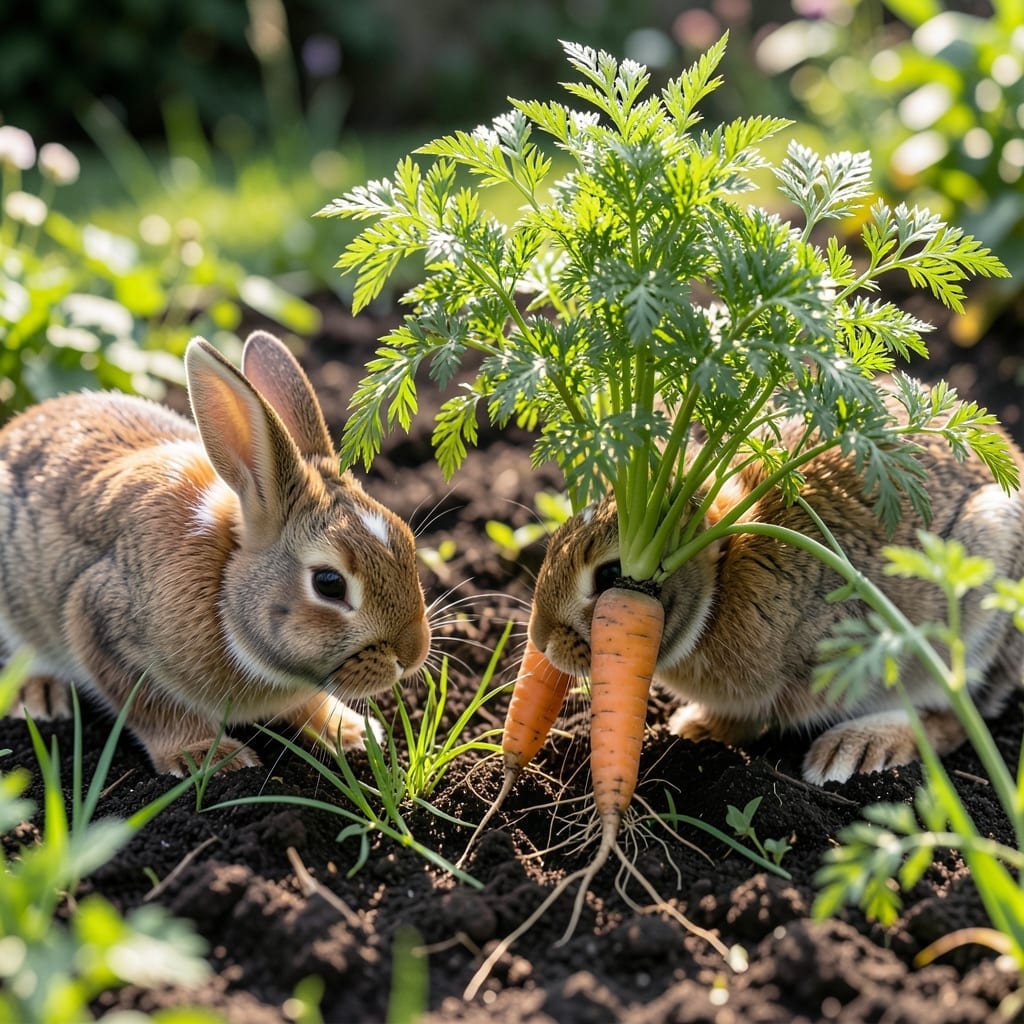
I watch the damage grow daily—nibbled leaves, vanished seedlings. Bunnies in the yard can turn a thriving garden into their personal salad bar overnight.
Here’s the thing—you don’t need harmful chemicals or expensive gadgets. The most effective solutions are often the simplest: strategic fencing, natural repellents, and smart plant choices that bunnies avoid.
You’ll protect your vegetables and flowers without harming the wildlife. What works best depends on your space, but most gardeners see results within a week of implementing these changes.
Works for backyard plots, raised beds, and even container gardens. These methods keep both your plants and the bunnies happy.
Understanding why bunnies frequent your yard is the first step toward addressing the issue. These small mammals are drawn to environments that meet their basic needs: food, shelter, and safety. Below are the most common reasons they choose your garden as their new home.
Rabbits are herbivores with a strong preference for tender plants, fresh vegetables, and lush grass. If your yard features a garden with leafy greens, clover, or unprotected young plants, it becomes an all-you-can-eat buffet for them. Even fallen fruits or birdseed from feeders can attract rabbits, as they’re opportunistic feeders.
Tall grass, dense shrubs, woodpiles, and brush heaps provide perfect hiding spots for rabbits. They seek areas with ample cover to evade predators like hawks, foxes, or domestic pets. Additionally, loose soil or mulch makes it easy for them to dig burrows, especially during breeding season (spring to early fall).
While rabbits get most of their moisture from plants, they still need access to fresh water. A yard with birdbaths, leaky hoses, or standing water after rain can make your property even more appealing. Even dew-covered grass in the early morning can be a minor water source.
Urban and suburban yards often lack natural rabbit predators, creating a safe haven for them. If your area has few foxes, coyotes, or birds of prey—or if these predators are deterred by human activity—rabbits will thrive undisturbed. Fenced yards can also unintentionally trap rabbits inside, giving them free rein.
Rabbits prefer stable, moderate climates and avoid areas with frequent human or pet activity. A quiet, undisturbed yard with minimal foot traffic is an open invitation. Seasonal changes, like milder winters or early springs, can also extend their active periods, leading to year-round visits.
If bunnies are turning your garden into their personal salad bar, don’t worry—there are humane, effective ways to encourage them to dine elsewhere. Here’s how to tackle the issue based on the root cause:
Bunnies love hiding in tall grass and dense shrubs. Clear brush, mow regularly, and trim low-hanging branches to remove their favorite hideouts. Keep your yard open and less inviting. Prevention tip: 💡 Maintain a 2-foot clearance around garden edges to create a natural barrier.
Low fences or chicken wire can work wonders. Bury the wire 6–12 inches deep to prevent digging, and extend it 2–3 feet high to block jumps. For existing plants, use cloches or mesh covers to protect them. Prevention tip: 🎯 Check for gaps weekly—bunnies are sneaky!
Spray commercial repellents (like those with putrescent eggs or hot pepper) or make a DIY mix of water, garlic, and dish soap. Reapply after rain. Prevention tip: ✨ Rotate repellents to prevent bunnies from getting used to one scent.
Bunnies need water, so fix leaky hoses, cover birdbaths, and avoid leaving out shallow dishes. Prevention tip: 🌡️ Use drip irrigation for plants to reduce standing water.
With these steps, your yard can stay bunny-free without harming the little hoppers!
Yes, but it must be installed correctly. Use chicken wire buried 6–12 inches deep and extending 2–3 feet high to block both digging and jumping.
DIY sprays with garlic or hot pepper can work, but need frequent reapplication, especially after rain. Commercial options with putrescent eggs often last longer.
Bunnies dislike strongly scented herbs like lavender, mint, and rosemary. Plant these around garden edges for a natural barrier.
Inspect your garden daily during peak seasons (spring/fall). Early detection means quicker action to prevent established habits.