
Beautiful Plants For Your Interior
Beautiful Plants For Your Interior
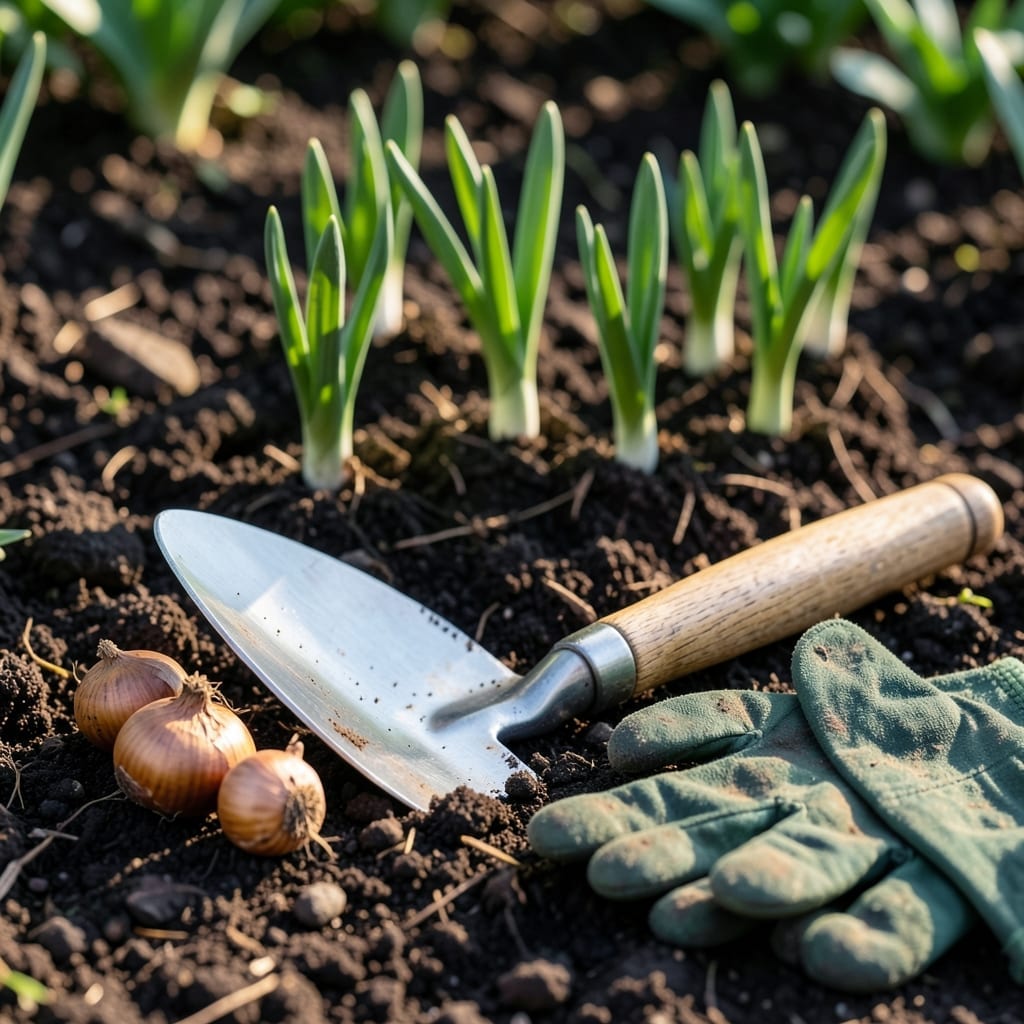
Planting Spring Flowering Bulbs in fall is the secret to a vibrant garden come spring. 🌷 I’ve found that timing and technique make all the difference in achieving stunning blooms.
With the right approach, you can set the stage for a colorful display with minimal effort. The key is understanding which varieties thrive when planted in autumn.
Discover how to choose the best bulbs and prepare them properly. Let me show you exactly how to make it happen for a breathtaking spring garden.
I always recommend fall planting for spring bulbs because it gives them time to establish roots. The cool soil triggers growth while the warm days help them settle before winter. This timing is perfect for vibrant spring displays.
Some of my favorite varieties include tulips, daffodils, crocuses, and hyacinths. Each offers unique colors and heights, making them ideal for layered garden designs. 🌷
| Bulb Type | Bloom Time | Height | Special Feature |
|---|---|---|---|
| Tulips | Mid to Late Spring | 6-24 inches | Wide color range |
| Daffodils | Early Spring | 6-30 inches | Deer resistant |
| Crocuses | Early Spring | 3-6 inches | First spring blooms |
| Hyacinths | Mid Spring | 6-12 inches | Fragrant blooms |
I’ve found that tulips offer the most color variety, while daffodils are incredibly reliable year after year. Their early bloom times make them perfect for extending the spring display season.
Crocuses are my go-to for the earliest pops of color, often pushing through snow. Meanwhile, hyacinths add wonderful fragrance to the garden. Each has its own planting depth and spacing requirements.
The planting depth is typically 2-3 times the bulb’s height. For example, a 2-inch tulip bulb should be planted 4-6 inches deep. This ensures proper root development and winter protection.
I always recommend well-draining soil to prevent bulb rot. Adding compost at planting time gives them a nutrient boost. Remember that fall-planted bulbs need that cool period to trigger spring blooming.
For the best results, plant in full sun to partial shade. Most bulbs need 6 hours of sunlight daily. In my experience, morning sun is ideal as it dries the foliage quickly, reducing disease risk. 🌿
Don’t forget about USDA zone considerations. In colder zones, plant 6-8 weeks before the ground freezes. Warmer zones can plant later, even into early winter in some cases.
I’ve seen the best success when bulbs are planted in groups of 10-15 for natural-looking drifts. This creates a much more dramatic effect than single bulbs scattered throughout the garden. ☀️
I always start by preparing the soil before planting bulbs. Loosen it to 12 inches deep and remove any weeds or debris. This gives roots room to grow and prevents competition for nutrients.
Well-draining soil is crucial to prevent rot. I mix in compost or aged manure to improve fertility. This step ensures bulbs get the best start for spring blooming.
The planting depth is critical for winter protection. For example, a 2-inch daffodil bulb needs a 6-inch deep hole. This protects it from freezing temperatures and ensures strong root growth.
I recommend planting in groups of 10-15 bulbs for a natural look. This creates stunning color drifts in spring.
Timing varies by USDA zone. In colder areas, plant 6-8 weeks before the first hard frost. Warmer climates can plant later, even into early December in some cases.
After planting, I add a 2-inch layer of mulch to protect bulbs from temperature swings. This also helps retain moisture and suppress weeds during the growing season. ✂️