
Beautiful Plants For Your Interior
Beautiful Plants For Your Interior
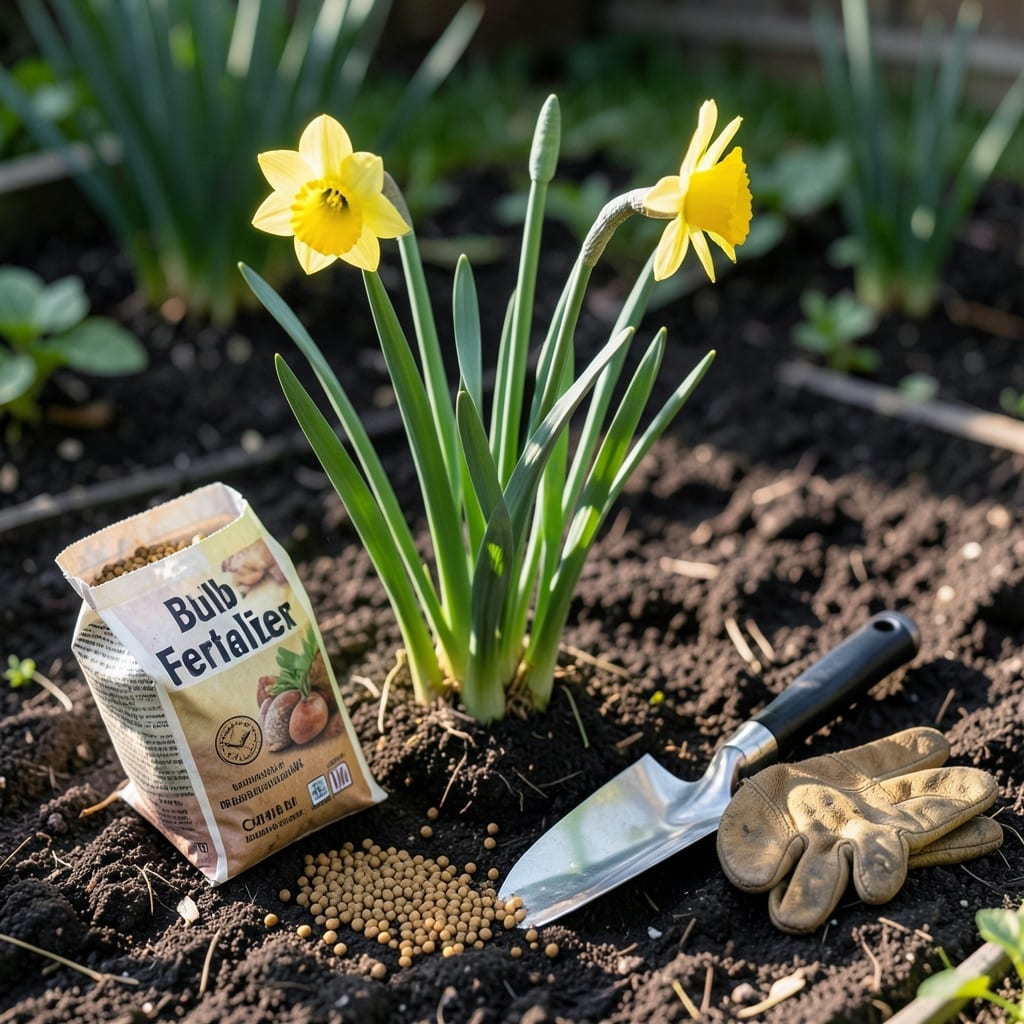
Want your 🌼 Daffodils to burst into vibrant, long-lasting blooms every spring? The secret lies in choosing the right bulb fertilizer—a game-changer for healthier roots and more spectacular flowers.
I’ve tested countless methods, and proper feeding makes all the difference. Whether you’re a new gardener or a seasoned pro, understanding when and how to fertilize is key to success.
Let me show you exactly how to pick the best formula and apply it for maximum impact. Your daffodils will thank you come March.
The right bulb fertilizer can transform your 🌼 daffodils from lackluster to spectacular. I always look for a balanced N-P-K ratio, typically 5-10-10 or 6-12-12, to support root and bloom development.
Phosphorus is the star for daffodils, promoting strong root systems and vibrant flowers. Nitrogen helps with foliage, while potassium boosts disease resistance.
| Nutrient | Role for Daffodils | Ideal Ratio |
| Nitrogen (N) | Foliage growth | 5-6% |
| Phosphorus (P) | Root & bloom development | 10-12% |
| Potassium (K) | Disease resistance | 10-12% |
For organic options, I love bone meal for phosphorus or compost tea for a gentle boost. Synthetic fertilizers like 10-10-10 work well but require careful dosing.
Granular fertilizers are my go-to for slow-release feeding. They’re easy to apply and last longer. Liquid fertilizers work faster but need more frequent applications.
Always check the label for micronutrients like iron and zinc. These prevent yellowing leaves and ensure healthy blooms every spring.
I apply fertilizer in early fall when planting bulbs and again in early spring as shoots emerge. This timing ensures nutrients are available when daffodils need them most.
For established beds, I use 1 tbsp per bulb or 5 lbs per 100 sq ft. Over-fertilizing can burn roots, so I always err on the side of caution.
Test your soil first! A pH of 6.0-7.0 is ideal for daffodils. If it’s too acidic, add lime before fertilizing.
Finally, water deeply after applying fertilizer to help nutrients reach the roots. This simple step makes a huge difference in how well your daffodils absorb the food. 🌿
Timing your fertilizer application is just as important as choosing the right formula. I’ve found that fall feeding gives daffodils the strongest start for spring blooms.
Early fall is ideal for planting new bulbs, while established beds benefit from a light feeding in early spring as green shoots appear.
For application, I prefer broadcasting granular fertilizer over the soil surface. This method ensures even coverage and reduces the risk of root burn.
Side-dressing works well for established beds. Simply sprinkle fertilizer in a 1-inch ring around each clump, avoiding direct contact with foliage.
Always water deeply after applying fertilizer. This helps nutrients soak into the soil and reach the root zone where daffodils need them most.
For liquid fertilizers, I dilute to half strength and apply every 4-6 weeks during active growth. This prevents overfeeding while providing consistent nutrition.
Early morning is the best time to fertilize. The cooler temperatures and dew help prevent foliar burn and allow better absorption. ☀️