
Beautiful Plants For Your Interior
Beautiful Plants For Your Interior
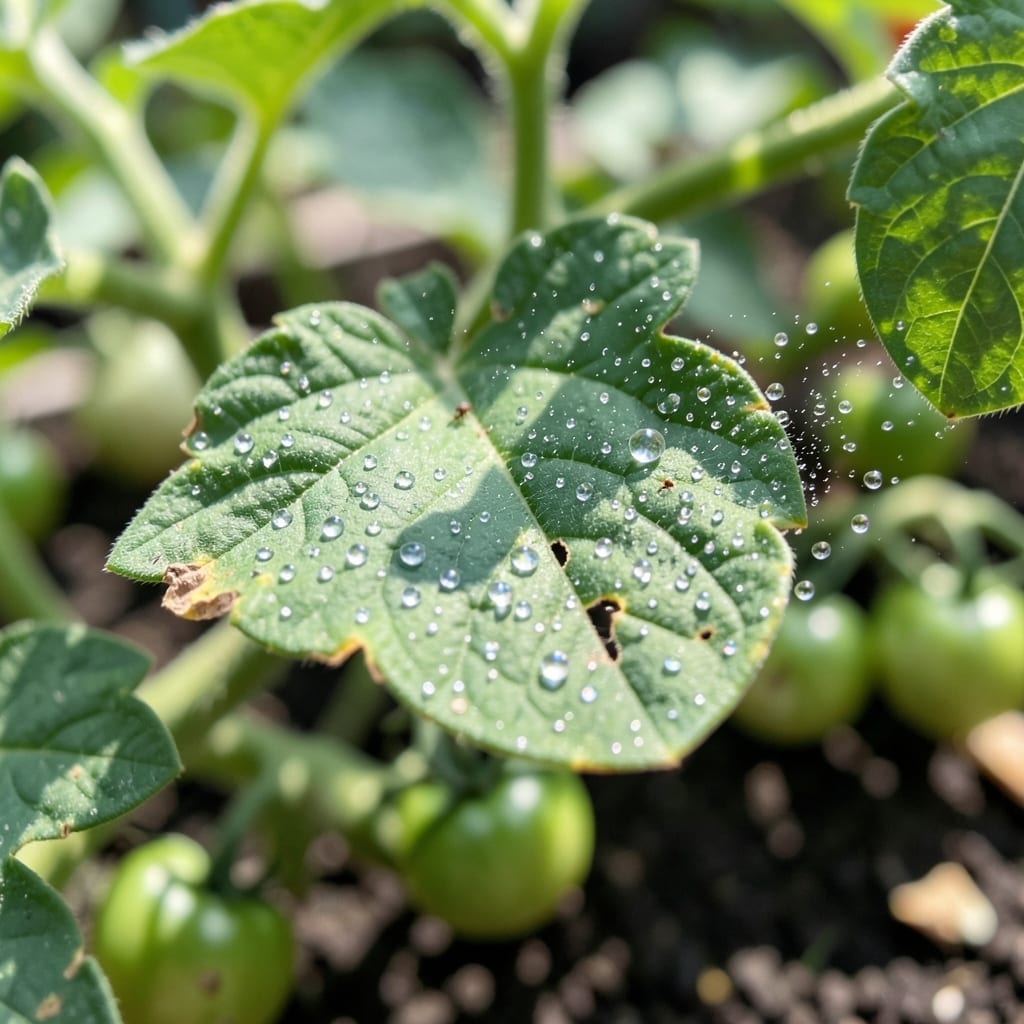
Nothing ruins a thriving garden faster than pests taking over. I’ve lost entire crops to aphids and mites, but the right approach protects plants without harsh chemicals.
This method targets common invaders while keeping beneficial insects safe. It’s about working with nature, not against it—simple sprays that deter pests before they multiply.
You’ll notice healthier leaves within days, and your plants will thank you with stronger growth and bigger yields. Prevention is key, but treatment works fast when needed.
Works for indoor and outdoor gardens, and it’s safe for kids and pets. Here’s how to keep your space pest-free the natural way.
Understanding why pests invade your plants is the first step to effective, non-toxic control. Here’s a breakdown of the most common causes, so you can address the root of the problem.
Excess moisture creates a breeding ground for pests like fungus gnats and aphids. Overwatered soil lacks oxygen, stressing plant roots and making them vulnerable. Action: Ensure pots have drainage holes and let the topsoil dry between waterings.
Plants weakened by nutrient deficiencies, improper light, or physical damage release stress signals that attract pests. Action: Strengthen plants with balanced fertilizer, proper sunlight, and regular pruning to remove damaged foliage.
Monoculture gardens (growing one type of plant) lack natural predators to keep pest populations in check. Action: Introduce companion plants like marigolds or basil, which repel pests or attract beneficial insects.
Pests often hitchhike on new plants, soil, or even your clothing. Action: Inspect new plants for signs of infestation and quarantine them for a week. Clean tools and pots between uses to prevent contamination.
Extreme temperatures or humidity levels can stress plants and encourage pest outbreaks. For example, spider mites thrive in hot, dry conditions. Action: Maintain consistent humidity (40-60%) and avoid placing plants near heat sources or drafts.
When pests attack your plants, quick and targeted action can save your garden. Below are practical solutions for common issues, along with tips to keep bugs from returning.
If you spot aphids, mites, or whiteflies, a direct spray of insecticidal soap or neem oil works wonders. Mix 1 tablespoon of mild liquid soap with 1 quart of water, then spray evenly on both sides of leaves. For stubborn pests, reapply every 4–7 days until they’re gone. Prevention tip: 💡 Inspect new plants before bringing them home to avoid introducing pests.
Caterpillars or beetles often cause this damage. Handpick visible pests, then apply a natural pyrethrin-based spray at dusk when beneficial insects are less active. For organic gardens, diatomaceous earth around the base of plants creates a barrier. Prevention tip: 🌡️ Rotate crops yearly to disrupt pest life cycles.
Spider mites or scale insects leave these telltale signs. Wipe leaves with a damp cloth to remove webbing, then treat with horticultural oil spray. For heavy infestations, prune severely affected areas to prevent spread. Prevention tip: ✨ Keep plants well-hydrated—stressed, dry plants attract mites.
Fungus gnats or grubs in the soil? Let the top inch of soil dry out between waterings to deter gnats. For grubs, apply beneficial nematodes to the soil—they’ll hunt down larvae naturally. Prevention tip: 🎯 Use sterile potting mix for indoor plants to avoid contamination.
Always test sprays on a small area first to check for plant sensitivity, and apply treatments in the early morning or late evening for best results.
Apply every 4-7 days for active infestations, or weekly as prevention. Always follow label instructions, and avoid spraying in direct sunlight to prevent leaf burn.
Yes, if using organic options like neem oil or insecticidal soap. Rinse produce thoroughly before eating, and stop spraying 1-2 weeks before harvest.
Spray in the early morning or late evening when bees and butterflies are less active. Target only affected areas to minimize impact on pollinators.
Mix 1 tablespoon mild soap with 1 quart water for a simple insecticidal soap. Add a few drops of essential oil like peppermint for extra pest control.