
Beautiful Plants For Your Interior
Beautiful Plants For Your Interior
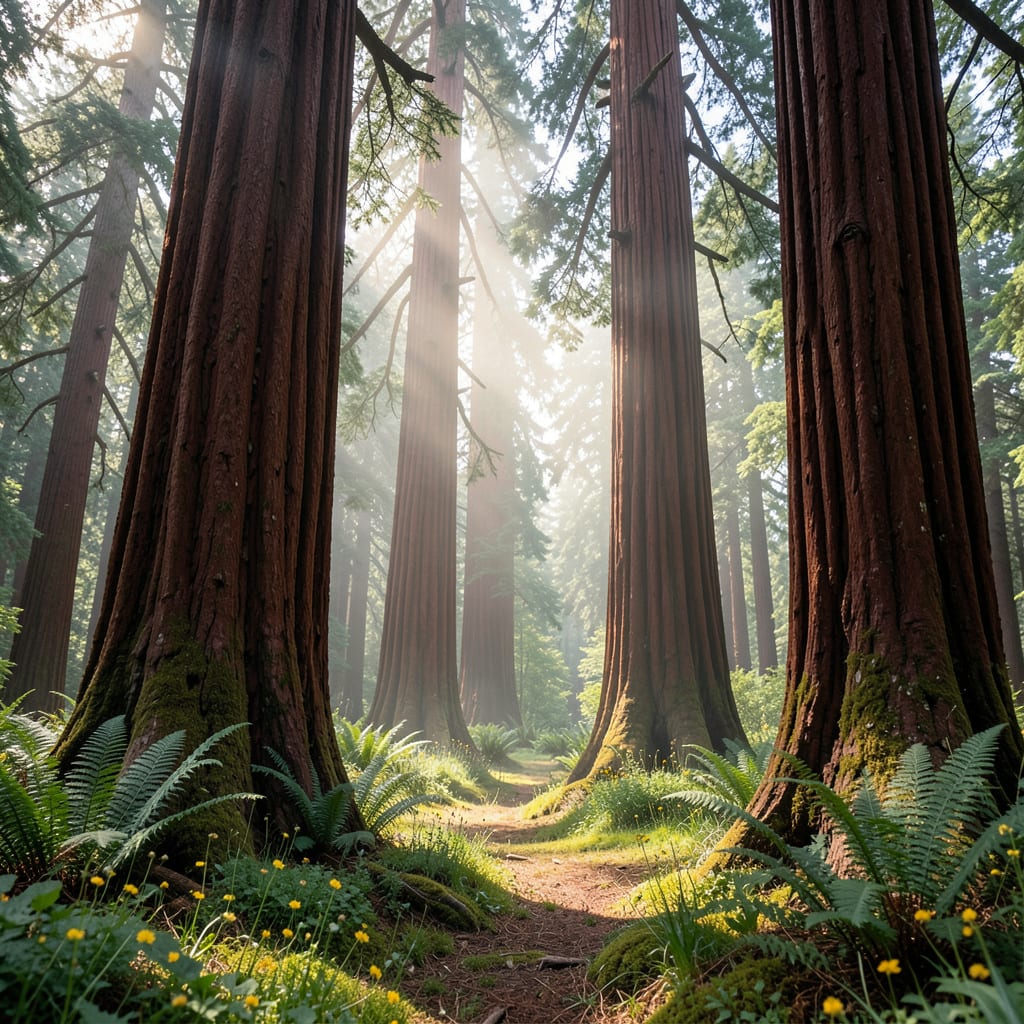
Those brown tips on your redwoods aren’t just unsightly—they’re a distress signal. I’ve seen this exact pattern in my own trees, and the fix always starts with understanding what the foliage is trying to tell you.
Most cases trace back to water stress or nutrient imbalance, not disease. Redwoods need consistent moisture, and when they don’t get it, the tips brown first. A soil test and a deep watering schedule often turn things around within weeks.
You’ll notice new growth returning to that rich, vibrant green once the roots get what they need. The key is catching it early—before the damage spreads to entire branches.
Works for young saplings and mature trees alike. Here’s how to diagnose and correct it for good.
The brown tips on your redwood trees are usually a sign of stress, and several factors can trigger this issue. Understanding the root cause is the first step toward reviving your tree’s lush green foliage.
Redwoods thrive in consistently moist but well-drained soil. Underwatering leads to dry, crispy tips as the tree struggles to absorb enough moisture. Conversely, overwatering suffocates the roots, preventing oxygen uptake and causing tip burn. Aim for deep, infrequent watering to maintain balanced soil moisture.
A lack of essential nutrients, particularly magnesium, iron, or nitrogen, can manifest as browning tips. Redwoods in poor or compacted soil often suffer from these deficiencies. Conduct a soil test to identify gaps and amend with organic matter or targeted fertilizers.
Extreme temperatures, drought, or sudden frost can shock redwoods, leading to tip browning. Young or newly planted trees are especially vulnerable. Mulching and providing shade during heatwaves can mitigate stress.
Fungi like Phytophthora thrive in waterlogged conditions and attack the roots, disrupting water and nutrient flow. This often results in brown, dying tips. Improve drainage and avoid overhead watering to reduce fungal risks.
Redwoods planted in confined spaces or containers may develop root-bound systems, limiting their ability to absorb water and nutrients. If roots are circling or packed tightly, consider transplanting to a larger area.
Addressing brown tips on redwood trees starts with identifying the root cause and applying targeted fixes. Here’s how to revive your tree’s health:
If brown tips stem from a lack of nitrogen, iron, or magnesium, correct the imbalance with organic fertilizers or soil amendments. Use a slow-release, balanced fertilizer (10-10-10) in early spring. For iron deficiencies, apply chelated iron to the soil or as a foliar spray. Test your soil first to confirm the exact deficiency.
Prevention Tip: 💡 Apply compost or well-rotted manure annually to maintain nutrient-rich soil.
Redwoods need consistent moisture but hate soggy roots. If the soil is dry, water deeply once or twice a week, allowing the top 2–3 inches to dry between sessions. For overwatering, improve drainage by amending heavy clay soil with sand or perlite. Ensure pots have drainage holes.
Prevention Tip: 🌡️ Use a moisture meter to monitor soil conditions and avoid guesswork.
Brown tips can result from sunburn or frost damage. Shield young trees with shade cloth during peak summer heat. In colder climates, mulch heavily around the base and wrap trunks in burlap for winter protection. Avoid planting in exposed, windy areas.
Prevention Tip: ✨ Choose a planting site with dappled sunlight and shelter from harsh winds.
Inspect leaves and bark for pests like spider mites or aphids. Treat infestations with neem oil or insecticidal soap. For fungal diseases, remove affected branches and apply a copper fungicide. Always sterilize pruning tools to prevent spread.
Prevention Tip: 🎯 Encourage beneficial insects (like ladybugs) and maintain good airflow around the tree.
Yes, underwatering is a primary cause of brown tips, as redwoods need consistent moisture. Check soil 2-3 inches deep—if dry, increase watering frequency.
A soil test will confirm deficiencies in nitrogen, iron, or magnesium. Yellowing between leaf veins often signals iron deficiency, while uniform yellowing suggests nitrogen lack.
Pruning won’t fix the underlying issue but removes damaged foliage. Trim only the affected areas with clean tools to prevent further stress or disease spread.
With proper care, new green growth typically emerges within 4-6 weeks. Consistent watering and soil amendments speed up recovery.
