
Beautiful Plants For Your Interior
Beautiful Plants For Your Interior
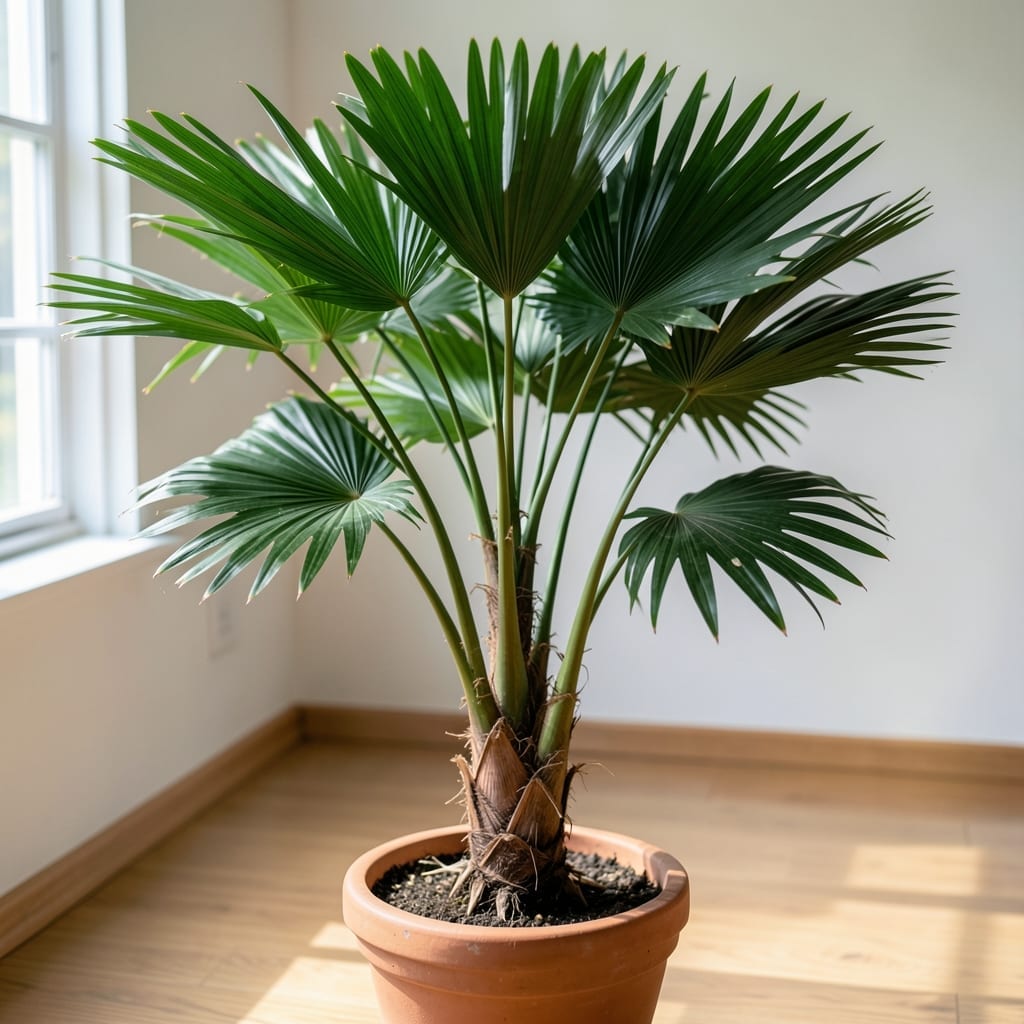
Those crispy brown tips on your lady palm aren’t just ugly—they’re a distress signal. I’ve seen this happen to my own plants after ignoring subtle care mistakes for too long.
Most cases come down to three common culprits: inconsistent watering, bone-dry air, or tap water that’s too harsh. The good news is your plant can recover with a few simple adjustments to its routine.
Within 2-3 weeks of fixing the issue, you’ll notice new growth emerging with that vibrant green color you love. The existing damage won’t heal, but you can trim it away once the plant stabilizes.
Works for any lady palm variety, whether it’s been in your home for years or you just brought it home last week.
Brown tips on your lady palm are usually a distress signal—here’s what’s likely triggering them:
Lady palms (Rhapis excelsa) thrive in consistently moist but well-drained soil. Brown tips often appear when roots are either drowning in soggy soil (leading to root rot) or parched from irregular watering. Check the top 1-2 inches of soil—if it’s bone-dry, water deeply; if it’s waterlogged, let it dry out before the next watering.
Native to humid Asian forests, lady palms require 40-50% humidity to prevent tip burn. Dry indoor air (common in winter or air-conditioned spaces) pulls moisture from the leaves, causing crispy brown edges. Grouping plants, using a pebble tray, or a humidifier can restore balance.
Tap water with high salts, chlorine, or fluoride accumulates in the soil over time, toxifying the roots. This disrupts nutrient uptake, leading to tip scorch. Switch to filtered, distilled, or rainwater, and flush the soil with water every 2-3 months to leach out residue.
Brown tips may signal potassium or magnesium deficiency, or conversely, fertilizer burn from overfeeding. Use a balanced, water-soluble fertilizer (e.g., 10-10-10) diluted to half strength every 4-6 weeks in growing season. Yellowing + brown tips? Test soil pH—lady palms prefer 6.0–7.5.
While lady palms tolerate low light, intense direct sun scorches the delicate fronds, causing brown, crispy tips. Conversely, deep shade weakens the plant, making it susceptible to stress. Aim for bright, indirect light (e.g., near an east-facing window).
Restoring your lady palm’s vibrant green starts with pinpointing the issue and applying the right fix. Below are targeted solutions for the most common causes of brown tips, along with prevention tips to keep them from returning.
Check the soil’s moisture by inserting your finger an inch deep. If it’s bone-dry, water thoroughly until excess drains from the bottom. For soggy soil, hold off on watering and let it dry out partially. Use a pot with drainage holes and a well-draining potting mix to prevent waterlogging. Prevention tip: Water only when the top inch of soil feels dry, and empty the saucer after each watering to avoid root rot.
Lady palms thrive in humidity levels of 40-60%. Mist the leaves daily with room-temperature water or place a pebble tray with water beneath the pot. For a hands-off approach, use a humidifier nearby. Prevention tip: Group plants together to create a microclimate or move your palm to a naturally humid spot, like a bathroom with indirect light.
White crust on the soil surface or pot edges signals salt or chemical buildup from tap water or fertilizers. Flush the soil by running water through the pot for 5-10 minutes, allowing it to drain completely. Switch to distilled or rainwater for watering, and fertilize sparingly (every 2-3 months in growing season). Prevention tip: Use a balanced, water-soluble fertilizer diluted to half strength.
Brown tips can appear if your palm is exposed to cold drafts, heat sources, or sudden temperature swings. Move it away from AC vents, radiators, or drafty windows. Keep the temperature between 65-80°F (18-27°C) and avoid sudden changes. Prevention tip: If moving the plant outdoors in summer, acclimate it gradually over a week to prevent shock.
Check the undersides of leaves and stems for pests like spider mites or scale. Wipe leaves with a damp cloth or use insecticidal soap for minor infestations. For fungal issues, remove affected fronds and treat with a fungicide. Prevention tip: Isolate new plants for 2-3 weeks before introducing them to your collection to avoid spreading pests.
Water when the top 1-2 inches of soil feels dry. Typically this means watering every 7-10 days, but adjust based on humidity and light conditions. Always use a pot with drainage holes.
Yes, but only after addressing the underlying issue. Use clean scissors to trim just the brown portion, following the leaf’s natural shape. Never remove more than 1/3 of the frond at once.
No, once tips brown they won’t recover. Focus on fixing the cause to prevent new damage. Healthy new growth will emerge in 2-3 weeks with proper care.
Often not. Fluoride and chlorine in tap water can cause tip burn. Use filtered or distilled water, or let tap water sit out for 24 hours before using.