
Beautiful Plants For Your Interior
Beautiful Plants For Your Interior
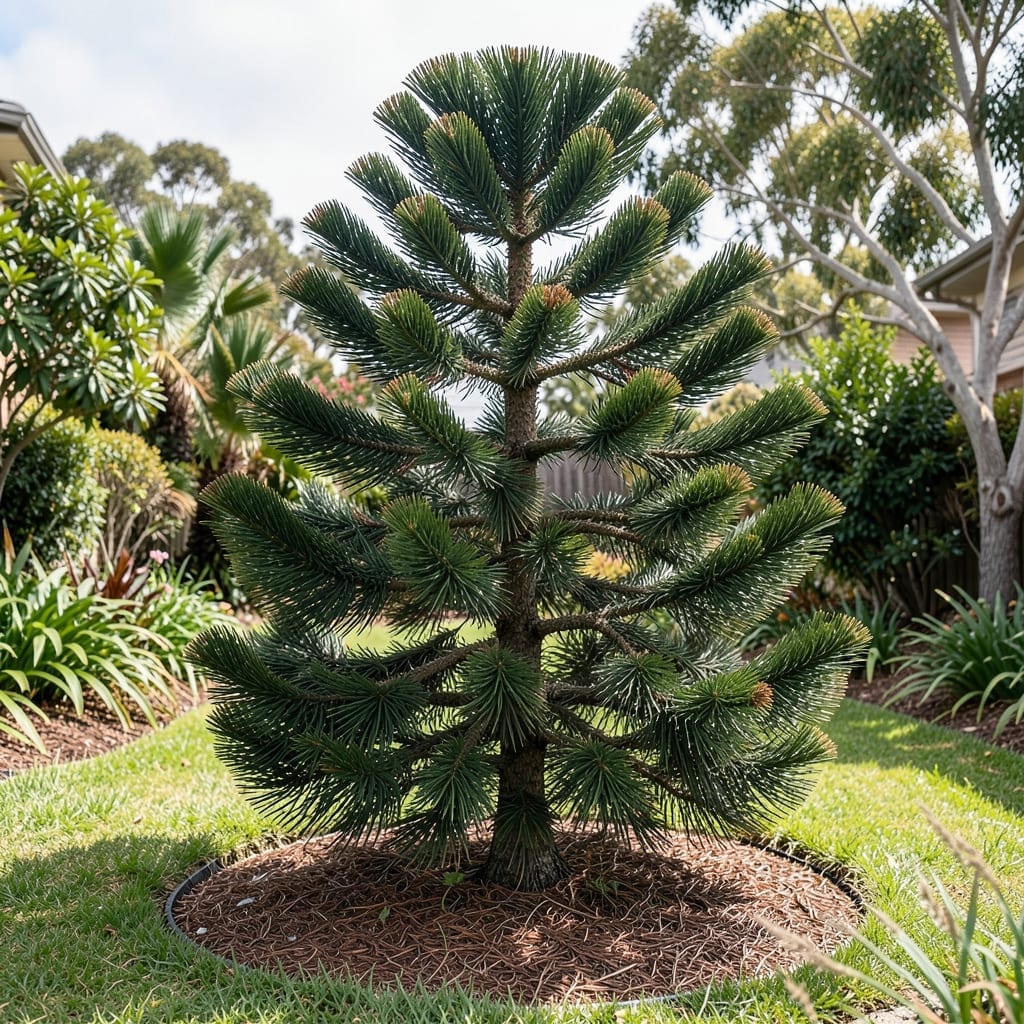
My Norfolk pine looked like a goner after last winter’s 20°F night. Brown tips spread like wildfire, and I was sure I’d lost it.
Turns out, cold damage is more fixable than it appears. The brown won’t regrow, but the rest of the plant can bounce back with the right care.
I trimmed the dead tips, adjusted watering, and moved it to a warmer spot. Within weeks, fresh green growth proved it wasn’t over.
Now I wrap it in burlap before the first frost. Simple protection that saves the whole plant.
Norfolk Island pines (Araucaria heterophylla) are tropical evergreens that thrive in warm climates, making them highly susceptible to cold stress. When temperatures drop below 40°F (4°C), their cellular structures begin to break down, leading to the unsightly brown tips you’re seeing. Here’s why it happens:
At freezing temperatures (32°F/0°C or lower), water inside the pine’s cells expands as it turns to ice. This expansion ruptures cell membranes, causing irreversible damage to the foliage. The tips, being the most exposed and delicate parts, are the first to show browning as the damaged tissue dies off.
Even without a hard freeze, cold drafts or dry winter winds can sap moisture from the needles faster than the roots can replenish it. Norfolk pines struggle to absorb water in cold soil, leading to winter burn—a form of dehydration that turns tips brown and crispy.
Prolonged cold can cause xylem vessels (the plant’s water-transporting pipes) to clog with ice or air bubbles. This disrupts the flow of water and nutrients to the needles, starving them and triggering tip dieback. Younger growth is especially vulnerable.
Below 50°F (10°C), Norfolk pine roots slow their uptake of water and nutrients. If the soil itself freezes, roots can’t function at all, leaving the foliage without hydration. The result? Tips brown as the plant rationally sacrifices outer growth to preserve the core.
If your Norfolk pine has brown tips from freeze damage, don’t panic—there are practical ways to help it recover. Start by assessing the extent of the damage and addressing it step by step.
Use clean, sharp pruning shears to trim off the brown tips and any dead or blackened needles. Cut back to healthy green growth, as the brown parts won’t recover. Avoid removing more than one-third of the plant at once to prevent stress.
Freeze damage often dehydrates the plant. Water it deeply but avoid waterlogging the soil. If the soil is dry, soak it until water drains from the bottom. Add a layer of mulch around the base to retain moisture and protect roots from further temperature swings.
If potted, move your Norfolk pine indoors or to a sheltered area where temperatures stay above 40°F (4°C). For in-ground plants, cover with frost cloth or burlap during cold nights. Keep it in bright, indirect light to support recovery.
Avoid fertilizing immediately after freeze damage, as it can stress the plant further. Wait until new growth appears, then use a balanced, water-soluble fertilizer at half strength to encourage recovery.
With patience and care, your Norfolk pine can bounce back from freeze damage and thrive again! ✨
Frost damage appears as crisp, dry brown tips, often after a cold snap. If the browning spreads gradually or feels soft, it’s likely overwatering or disease. Check for recent temperature drops below 40°F.
No, once tips brown from freeze damage, they’re dead and won’t recover. Prune them back to healthy growth to encourage new foliage. The rest of the plant can still thrive with proper care.
Move them indoors or to a garage where temps stay above 40°F. Wrap pots in burlap or bubble wrap to insulate roots. Avoid placing near heaters or drafty windows.
Wait until you see new growth. Fertilizing too soon can stress the plant further. Use a balanced, water-soluble fertilizer at half strength once recovery starts.