
Beautiful Plants For Your Interior
Beautiful Plants For Your Interior
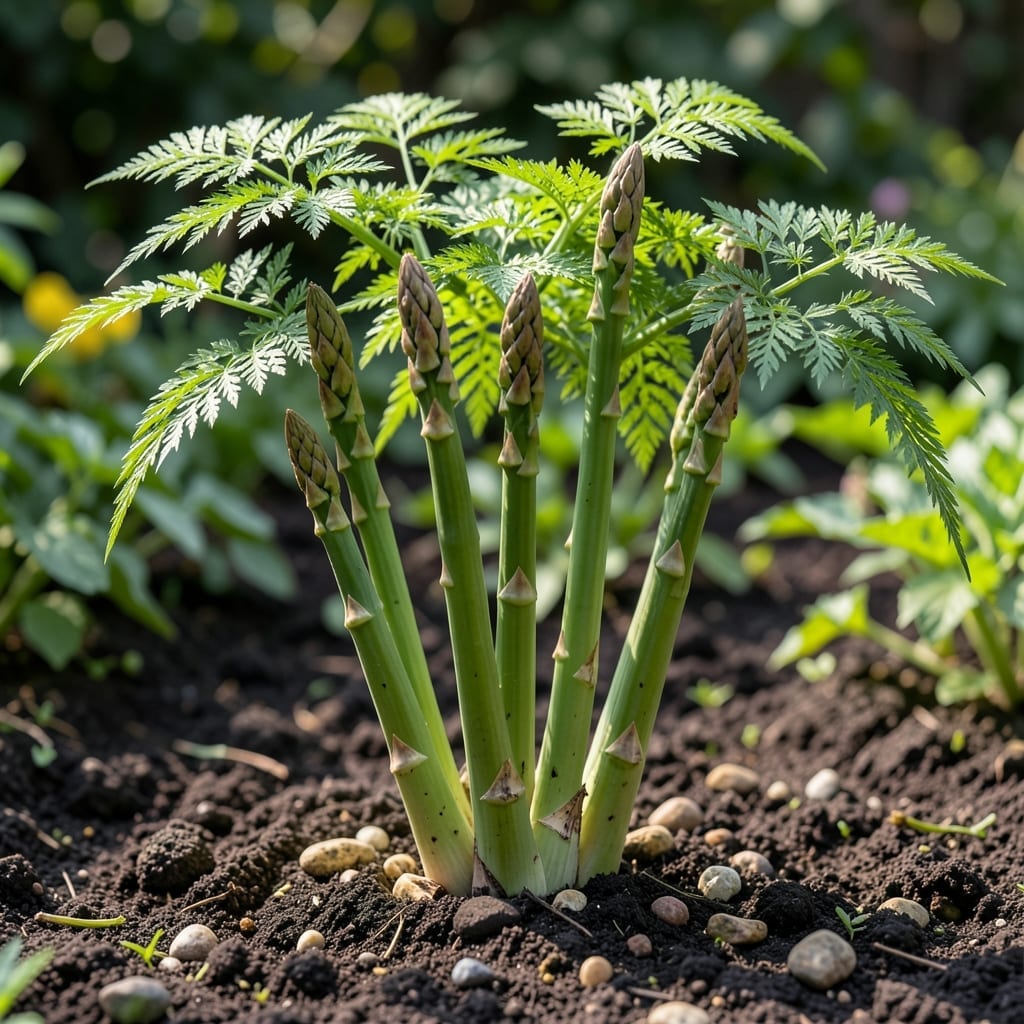
Brown tips on asparagus spears ruined my first harvest. The fix turned out to be simpler than I expected—just a matter of adjusting a few key growing conditions.
Most cases come down to inconsistent watering, fungal issues, or nutrient deficiencies. I learned that asparagus needs steady moisture, especially during the first 2 years while establishing its root system.
Once you nail the basics, the plants reward you with crisp, green spears every spring. The solution often involves better drainage, proper spacing, or a simple fungicide treatment.
Prevention is easier than cure. With the right approach, you can enjoy spotless, productive asparagus for 15+ years from a single planting.
Brown spots on the tips of asparagus can ruin the appearance and texture of this nutritious veggie. 🥬 Here’s why it happens:
Asparagus thrives in cool to moderate temperatures. Exposure to frost or extreme heat can cause cellular damage, leading to browning at the tips. Frostbite disrupts cell membranes, while heat stress accelerates enzymatic browning. Store asparagus at 32–40°F (0–4°C) to prevent this.
Asparagus loses moisture quickly after harvest. When the cut ends dry out, the plant tissues shrink, and the tips may turn brown due to oxidative stress. Wrapping the stems in a damp paper towel or trimming the ends and standing them in water can slow this process.
Pathogens like Botrytis cinerea (gray mold) or Pseudomonas bacteria can infect asparagus, causing localized browning. These thrive in humid, poorly ventilated conditions. Prevent infections by storing asparagus in a dry, well-ventilated area and avoiding overcrowding.
As asparagus ages, polyphenol oxidase (PPO) enzymes react with oxygen, turning the tips brown—a natural but unsightly process. Blanching (briefly boiling then cooling in ice water) deactivates these enzymes, preserving color and freshness.
If your asparagus tips are showing unsightly brown spots, don’t toss them just yet! Here’s how to address each common cause and keep your stalks fresh and vibrant.
If the spots are soft, mushy, or spreading, they’re likely caused by Botrytis or bacterial rot. Cut off the affected tips with a clean knife, at least 1 inch below the discoloration. Soak the remaining stalks in a mixture of 1 part white vinegar to 3 parts water for 10 minutes to disinfect. Pat dry and store properly to prevent further spread.
Prevention: Avoid overcrowding asparagus in storage and ensure good airflow. Always use clean tools when trimming.
Brown tips from frostbite or refrigeration burn appear dry and papery. Trim the damaged portions, then revive the stalks by standing them upright in a glass of cold water for 1–2 hours. This rehydrates the cells and restores crispness.
Prevention: Store asparagus in the fridge’s crisper drawer (high humidity) and avoid temperatures below 32°F (0°C). Wrap the ends in a damp paper towel to retain moisture.
If the tips are brown due to aging, trim them off and use the stalks immediately in cooked dishes like stir-fries or soups. For slightly wilted spears, blanch them in boiling water for 2–3 minutes, then plunge into ice water to halt decay. Freeze for later use if needed.
Prevention: Buy asparagus with tightly closed tips and store it within 3–4 days of purchase for peak freshness.
Dry, leathery brown tips often mean the asparagus is thirsty. Trim the ends and stand the spears in a jar of water (like flowers) for a few hours. For extra revival power, add a splash of lemon juice to the water to help perk them up.
Prevention: Keep asparagus hydrated by storing it upright in the fridge with the ends wrapped in a damp cloth or paper towel.
💡 Pro Tip: To test freshness before buying, gently squeeze the tips—they should be firm and compact, not soft or spreading.
Yes, if the stalks are still firm. Simply trim off the brown portions with a clean knife, cutting at least 1 inch below the discoloration to remove any potential spread of mold or bacteria.
Stand spears upright in a jar with 1 inch of water in the fridge, or wrap the ends in a damp paper towel. This maintains moisture and slows browning for up to 5 days.
Exposure to air and light accelerates enzymatic browning. Store asparagus in a sealed container or bag with a paper towel to absorb excess moisture and limit oxygen contact.
Blanching for 2-3 minutes in boiling water stops enzyme activity that causes browning. It’s ideal if you plan to freeze or store asparagus for more than 3 days.