
Beautiful Plants For Your Interior
Beautiful Plants For Your Interior
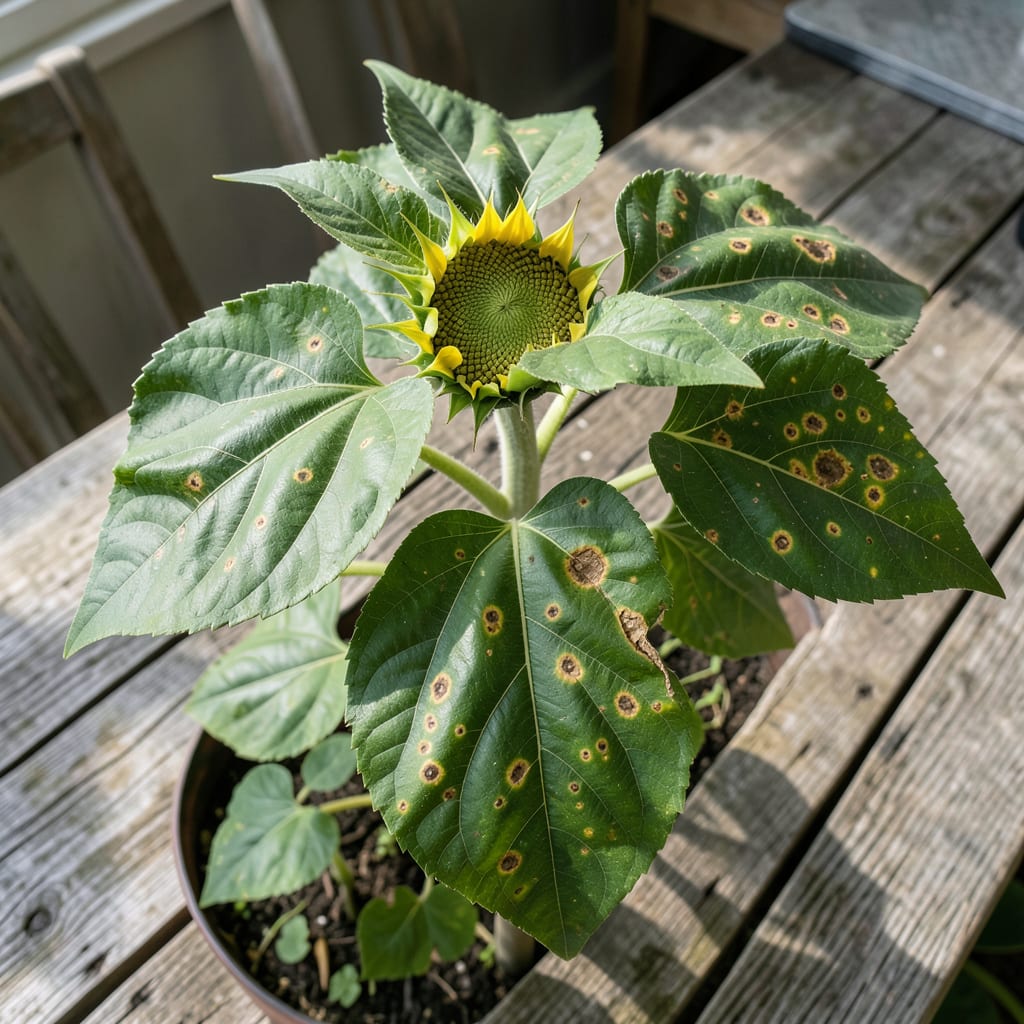
Those unsightly brown spots on your sunflowers aren’t just ugly—they’re a warning sign. I’ve seen entire stands of 8-foot giants wither overnight because the first dark patch got ignored too long.
Here’s the thing—most cases come down to three culprits: fungal invaders, thirsty roots, or nutrient hunger. The good news? Each leaves a distinct fingerprint on the leaves if you know how to read it.
Catching it early means the difference between a full recovery and pulling up the whole plant. I’ve salvaged more sunflowers than I’ve lost by acting fast with the right fix.
No fancy equipment needed, just keen eyes and a willingness to get your hands dirty. Let’s figure out what’s eating your leaves.
Brown spots on sunflower leaves often stem from a variety of biological and environmental stressors. Below are the most common causes, explained with actionable insights.
Fungi like Alternaria or Septoria thrive in warm, humid conditions, attacking sunflower foliage and creating circular or irregular brown lesions. These pathogens spread via spores in water splashes or wind, often entering through wounded tissue. Overhead watering and poor air circulation exacerbate the issue.
Bacteria such as Pseudomonas syringae cause water-soaked spots that turn brown as they dry. These spots often have a yellow halo and may coalesce, leading to leaf blight. High moisture levels and plant stress from over-fertilization or injury make sunflowers more susceptible.
Lack of essential nutrients like potassium, magnesium, or calcium can manifest as brown or necrotic spots on leaves. For example, potassium deficiency often causes leaf margins to turn brown and crisp, while magnesium deficiency leads to interveinal chlorosis followed by brown spotting.
Extreme heat, drought, or waterlogging can stress sunflowers, resulting in leaf scorch or brown patches. Sunburn from intense sunlight may also cause localized browning, especially on younger leaves exposed suddenly to harsh conditions.
Insects like aphids, spider mites, or sunflower beetles feed on leaf tissues, creating entry points for secondary infections. Their feeding damage often appears as stippling or small brown spots, which can expand if left unchecked.
Tackle those unsightly brown spots on your sunflowers with these targeted fixes. Each cause has a clear solution—plus tips to keep your plants thriving.
If the spots are spreading with yellow halos, fungus is likely the culprit. Start by removing infected leaves to prevent spores from spreading. Dispose of them in the trash—not the compost. Next, apply a copper-based fungicide or a homemade mix of 1 tsp baking soda + 1 quart water + a drop of dish soap. Spray evenly on leaves, focusing on the undersides. Prevent future outbreaks by improving air circulation (space plants 12–18 inches apart) and watering at the base to keep foliage dry.
Soggy soil leads to root rot, which shows up as brown, wilting leaves. Stop watering immediately and let the soil dry out. Check drainage—if water pools, amend the soil with perlite or sand. For potted sunflowers, ensure pots have drainage holes. Prevention tip: Water only when the top inch of soil is dry, and use a moisture meter if unsure. Morning watering gives leaves time to dry before evening.
Yellowing leaves with brown edges often signal a potassium or magnesium shortage. Boost nutrients with a balanced fertilizer (10-10-10) or organic options like compost tea or banana peel water (rich in potassium). For magnesium, sprinkle 1 tbsp Epsom salt per gallon of water around the base. Prevent deficiencies by testing soil annually and enriching it with compost before planting.
Tiny brown spots with holes? Beetles or aphids may be snacking on your sunflowers. Blast pests off with a strong water spray or introduce ladybugs (natural predators). For stubborn infestations, use neem oil or insecticidal soap, applying in the early morning or late evening. Prevention tip: Plant pest-repelling companions like marigolds or basil nearby.
💡 Pro tip: Always sterilize pruning tools with rubbing alcohol between cuts to avoid spreading disease!
Fungal spots often have yellow halos and irregular edges. Pest damage appears as small holes or stippling. Check leaf undersides for insects or webbing to confirm pests.
Yes, prune infected leaves immediately to stop spread. Sterilize tools with rubbing alcohol between cuts. Dispose of leaves in trash, not compost.
A 1 tsp baking soda + 1 quart water spray works for mild fungus. For pests, neem oil or insecticidal soap is effective. Test on a small area first.
Improve air circulation, water at the base, and avoid overhead watering. Space plants 12-18 inches apart. Add compost to soil annually.
