
Beautiful Plants For Your Interior
Beautiful Plants For Your Interior
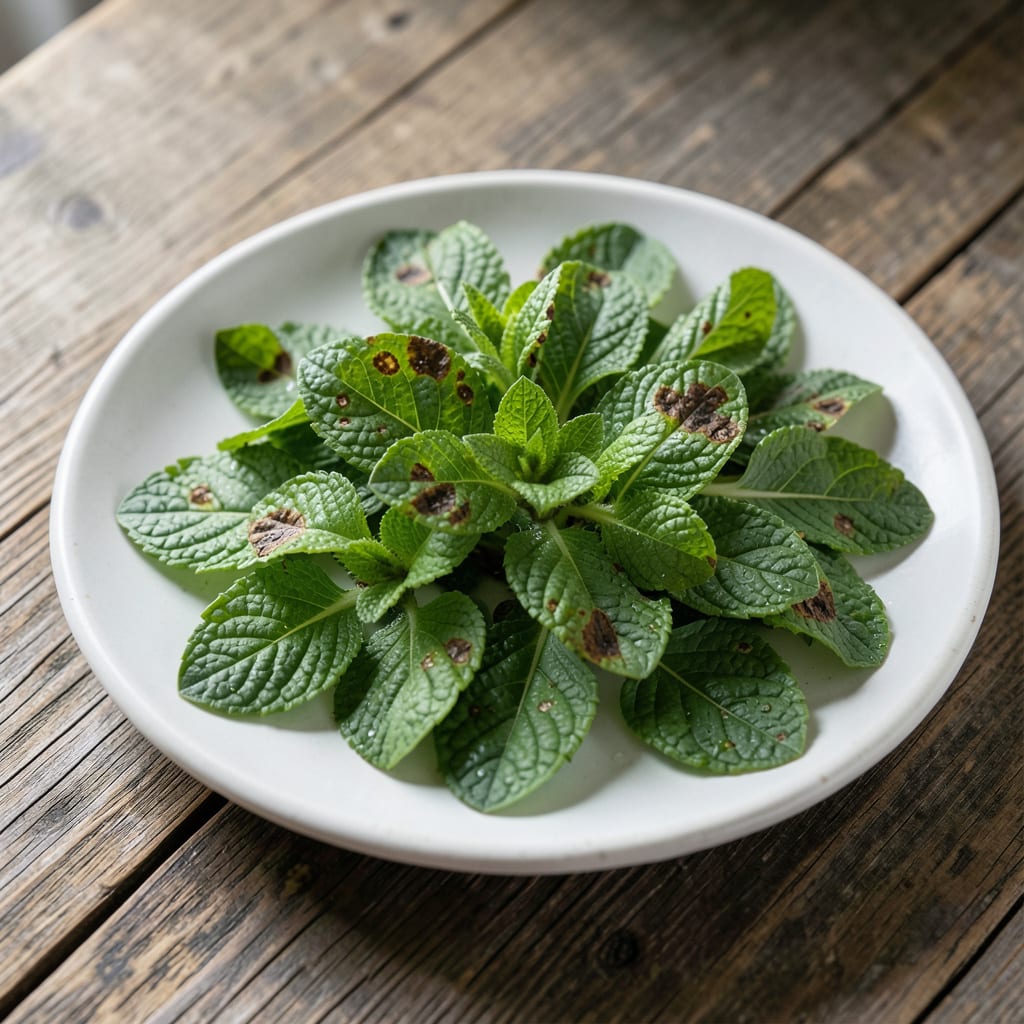
Those brown spots on your mint aren’t just ugly—they’re a warning. I’ve saved countless mint plants by catching the early signs before they spread to the whole patch.
The culprits are usually 3 things: too much water, not enough air, or sneaky pests hiding under leaves. Most gardeners overlook the simplest fix—adjusting their watering routine—until it’s too late.
With the right steps, you’ll see fresh, vibrant green growth returning within 2 weeks. The key is acting fast before the problem takes over your entire herb garden.
Works for potted mint, garden beds, or even windowsill plants. Here’s how to turn it around.
Brown spots on mint leaves often stem from a mix of environmental, fungal, or care-related issues. Here’s a breakdown of the most common causes:
Anthracnose and leaf spot diseases thrive in damp, poorly ventilated conditions. These fungi (e.g., Colletotrichum spp.) attack weakened leaves, creating circular brown or black lesions with yellow halos. Overwatering or overhead irrigation accelerates their spread.
Both underwatering and overwatering trigger stress responses. Underwatering causes leaf edges to crisp and brown, while overwatering suffocates roots, leading to nutrient uptake failures and mottled brown patches.
Mint prefers partial shade and temperatures between 65–75°F (18–24°C). Sunburn from direct UV exposure scalds leaves, creating dry, papery brown spots. Conversely, cold drafts or frost damage can also cause necrotic (dead) tissue.
Sap-sucking pests like spider mites or aphids puncture leaf cells, leaving behind small, scattered brown specks. Their feeding disrupts chlorophyll production, and their honeydew residue can attract sooty mold, darkening the damage.
Actionable tip: Inspect leaf undersides for webbing (mites) or sticky residue (aphids).
A lack of potassium or magnesium often manifests as brown leaf margins or interveinal spotting. Mint in poor or waterlogged soil struggles to absorb these essential nutrients, even if they’re present.
Tackling brown spots on your mint starts with identifying the root cause. Below are targeted solutions for the most common issues, paired with prevention tips to keep your mint thriving. 🌿
If fungal diseases like Alternaria or Septoria are to blame, start by removing infected leaves to prevent spread. Spray the plant with a mixture of 1 teaspoon baking soda, 1 quart of water, and a few drops of dish soap—this disrupts fungal growth. For severe cases, use a copper-based fungicide. Prevent future outbreaks by spacing plants 12–18 inches apart for better airflow and watering at the base (not overhead) to keep leaves dry.
Spider mites, aphids, or thrips leaving brown spots? Blast them off with a strong stream of water, then wipe leaves with a cotton ball dipped in 70% isopropyl alcohol. For persistent pests, apply neem oil (mix 2 tablespoons with 1 gallon of water) every 5–7 days. Prevention tip: Introduce beneficial insects like ladybugs or use reflective mulch to deter pests naturally. 💡
Overwatering or underwatering can both cause browning. Check soil moisture by sticking your finger 1 inch deep—if it’s dry, water thoroughly; if soggy, hold off. Ensure pots have drainage holes, and use well-draining soil. Pro tip: Water in the morning so excess moisture evaporates during the day. ✨
Too much sun or cold drafts? Move potted mint to partial shade (4–6 hours of sunlight daily) or shield it with a sheer curtain. For outdoor plants, use row covers during unexpected cold snaps. Prevent stress by acclimating plants gradually to new conditions and keeping them in stable environments.
Final check: After treating, monitor leaves for new spots. Healthy mint bounces back quickly with the right care!
Soggy soil suffocates roots, blocking nutrient uptake. This stress shows as brown patches on leaves. Always check soil moisture 1 inch down before watering.
Look for tiny webs (mites) or sticky residue (aphids) on leaf undersides. These pests leave small brown specks as they feed. A magnifying glass helps spot them early.
Yes, but only if done correctly. Remove only the spotted leaves with clean scissors to prevent spreading. Never prune more than 1/3 of the plant at once.
Only if the issue is environmental. Avoid using leaves with fungal spots or pest damage. Wash leaves thoroughly and use sparingly until the plant recovers.
