
Beautiful Plants For Your Interior
Beautiful Plants For Your Interior
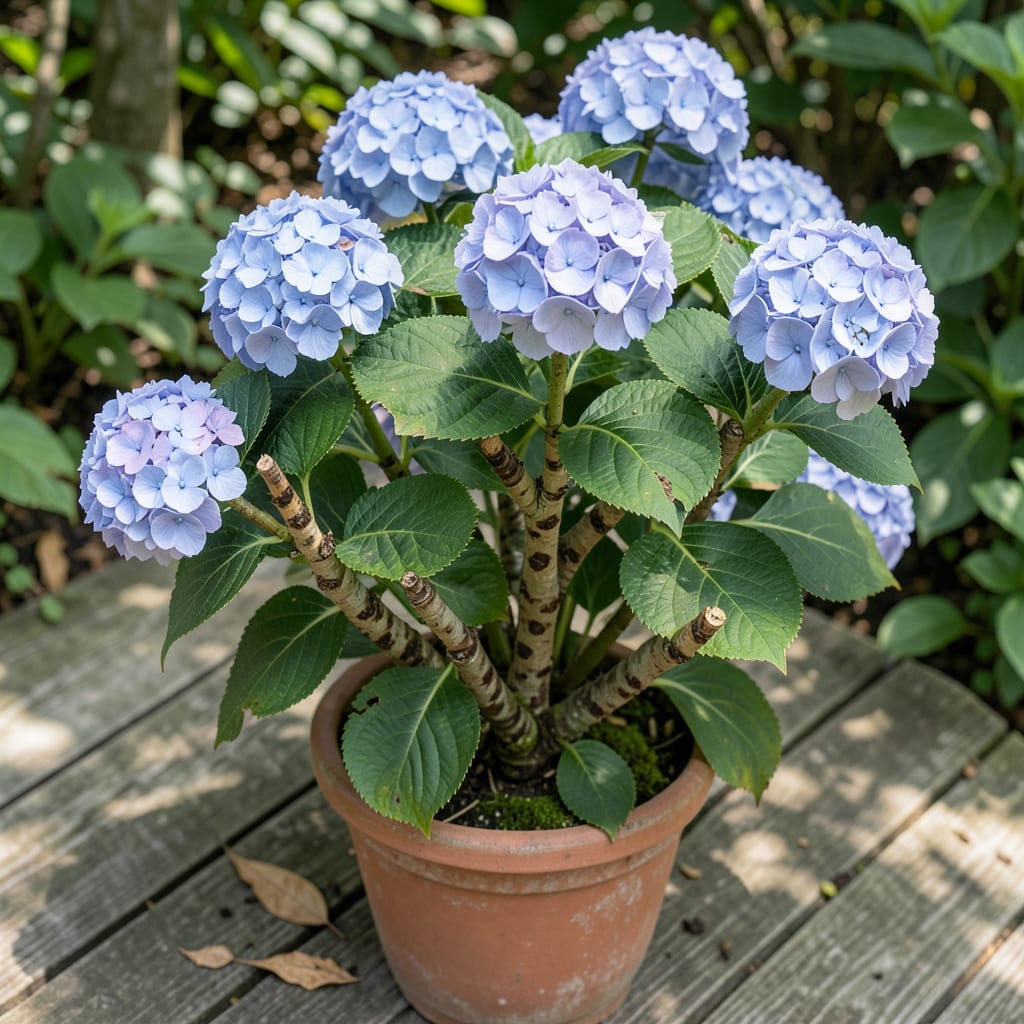
Those brown spots on your hydrangea stems aren’t just unsightly—they’re a warning sign. I ignored them once and lost half my plant by summer. The culprit is usually fungal infection, often from too much moisture or poor air circulation.
Here’s the thing—catch it early and you can save your hydrangea. The spots start small and dark, then spread quickly if left untreated. I learned the hard way that prevention is easier than cure, but both are absolutely possible.
You’ll need to remove affected stems immediately and adjust your watering habits. A simple copper fungicide spray can stop the spread, and improving airflow helps prevent future outbreaks.
Works for all hydrangea varieties, from bigleaf to panicle. Let’s get your plant back to health.
Brown spots on hydrangea stems often signal underlying issues that compromise plant health. Below are the primary causes, explained with scientific precision and actionable insights.
Fungal pathogens like Cercospora or Botrytis thrive in warm, humid conditions, attacking stems and leaving brown or purple lesions. These fungi spread via spores in water or air, entering through wounds or weak plant tissue. Poor air circulation and overhead watering exacerbate the problem.
Excess moisture from overwatering or compacted soil suffocates roots, reducing oxygen uptake. This stress weakens stems, making them susceptible to secondary infections. Hydrangeas prefer moist but well-drained soil—soggy conditions lead to root rot, which manifests as stem discoloration.
Extreme temperature swings, frost damage, or excessive sun exposure can scorch stems, causing brown patches. Hydrangeas thrive in partial shade; full sun can lead to heat stress, while sudden cold snaps disrupt cellular function, resulting in necrosis.
Sap-sucking pests like aphids or spider mites pierce stem tissues, creating entry points for pathogens. Their feeding also weakens the plant, leading to discolored, spotted stems. Inspect undersides of leaves and stems for tiny insects or webbing.
A lack of essential nutrients, particularly potassium or magnesium, can cause stem discoloration. Potassium deficiency often presents as brown edges on leaves and stems, while magnesium deficiency leads to interveinal chlorosis (yellowing between veins) followed by necrosis.
Addressing brown spots on hydrangea stems involves identifying the cause and applying the right solution. Below are targeted fixes for common issues, along with prevention tips to keep your plants thriving.
If the spots are due to fungal diseases like anthracnose or leaf spot, act fast. Prune affected stems with sterilized shears (dip in rubbing alcohol between cuts) to prevent spreading. Discard the clippings—do not compost. Apply a copper-based fungicide or neem oil to the plant and surrounding soil. Reapply every 7–10 days until symptoms clear.
Prevention tip: 💡 Improve air circulation by spacing plants 3–4 feet apart and watering at the base to keep foliage dry.
Soggy soil suffocates roots and invites rot, which can manifest as brown stems. Stop watering immediately if the soil feels waterlogged. Check drainage—amend heavy clay soil with compost or sand. For potted hydrangeas, ensure pots have drainage holes. Resume watering only when the top 1–2 inches of soil are dry.
Prevention tip: ✨ Use a moisture meter to monitor soil conditions, and water deeply but less frequently.
Pests like aphids or scale can weaken stems, leading to discoloration. Spray infested areas with a horticultural oil or insecticidal soap, focusing on the undersides of leaves. For severe cases, introduce beneficial insects like ladybugs.
Prevention tip: 🎯 Inspect plants weekly and remove pests by hand or with a strong blast of water when first spotted.
Hydrangeas prefer partial shade. If stems show dry, crispy brown spots, they may be getting too much direct sunlight. Move potted plants to a shadier spot or use shade cloth for in-ground plants during peak afternoon hours. Mulch around the base to retain moisture.
Prevention tip: 🌡️ Plant hydrangeas in a location with morning sun and afternoon shade for optimal health.
Yes, if caused by fungal infections. Spores can travel through air or water, so isolate affected hydrangeas and avoid overhead watering to prevent contamination of nearby plants.
Immediately. Fungal issues can spread within 2-3 days, while pests multiply rapidly. Prune affected stems and treat with fungicide or insecticide within 24 hours for best results.
Most hydrangeas recover with proper care. Remove all spotted stems and maintain good air circulation. Healthy new growth typically appears within 3-4 weeks if the root system remains strong.
